Discover, Protect, and Pass On: How the Preservation of Historic Boats and Ships Keeps Maritime Stories Afloat
Are you curious about how we keep wooden hulls from turning to sawdust, aluminum hulls from crumbling, and memories from slipping beneath the tide? If so, you’re in the right place. This guest post dives deep into the preservation of historic boats and ships—what it means, why it matters, and how AC Museum puts heritage into practice. You’ll find clear principles, real-world case studies, hands-on techniques, community programs, opportunities to get involved, and a look at the digital tools that make modern preservation possible. Let’s set sail.
If you’re particularly fascinated by timber construction and how forms changed over centuries, take a look at the AC Museum’s detailed coverage of the Evolution of Wooden Boat Types. That resource traces shifts in hull form, framing methods, and regional styles, giving context to why some repair and conservation choices are made today. Understanding that evolution helps you appreciate why preserving certain features matters beyond aesthetics and longevity.
To get an overview of the museum’s holdings and the kinds of vessels under care, the online catalog of Historic Boats and Vessels provides searchable entries, images, and basic histories for many items. Browsing the catalog before a visit helps you see patterns across time and region, and it clarifies why some boats become priorities for the preservation of historic boats and ships—because they tell unique stories about trade, craft, and local lifeways.
Rescue craft deserve special attention in maritime history; their designs often reflect urgent innovation and hard-earned lessons. AC Museum’s feature on Lifeboats and Rescue Craft in History explores how changing safety standards, materials, and regulations influenced construction and use. Studying these vessels informs conservation priorities, as lifeboats frequently bear evidence of emergency repairs, modifications, and community involvement that are essential to preserve.
Preservation Principles for Historic Boats
Preservation of historic boats and ships begins with a simple, honest question: what is this vessel trying to tell us? Every plank, rivet, and patch carries a story—construction choices, decades of service, repairs done in a hurry. At AC Museum, conservation follows a set of guiding principles designed to protect that story while keeping the object stable and accessible.
Core Principles You’ll Want to Know
- Minimum intervention: Do as little as necessary and as much as required. You keep more of the original story intact that way.
- Reversibility: Use treatments that can be undone. Technology changes; future conservators should be able to remove today’s fixes without harm.
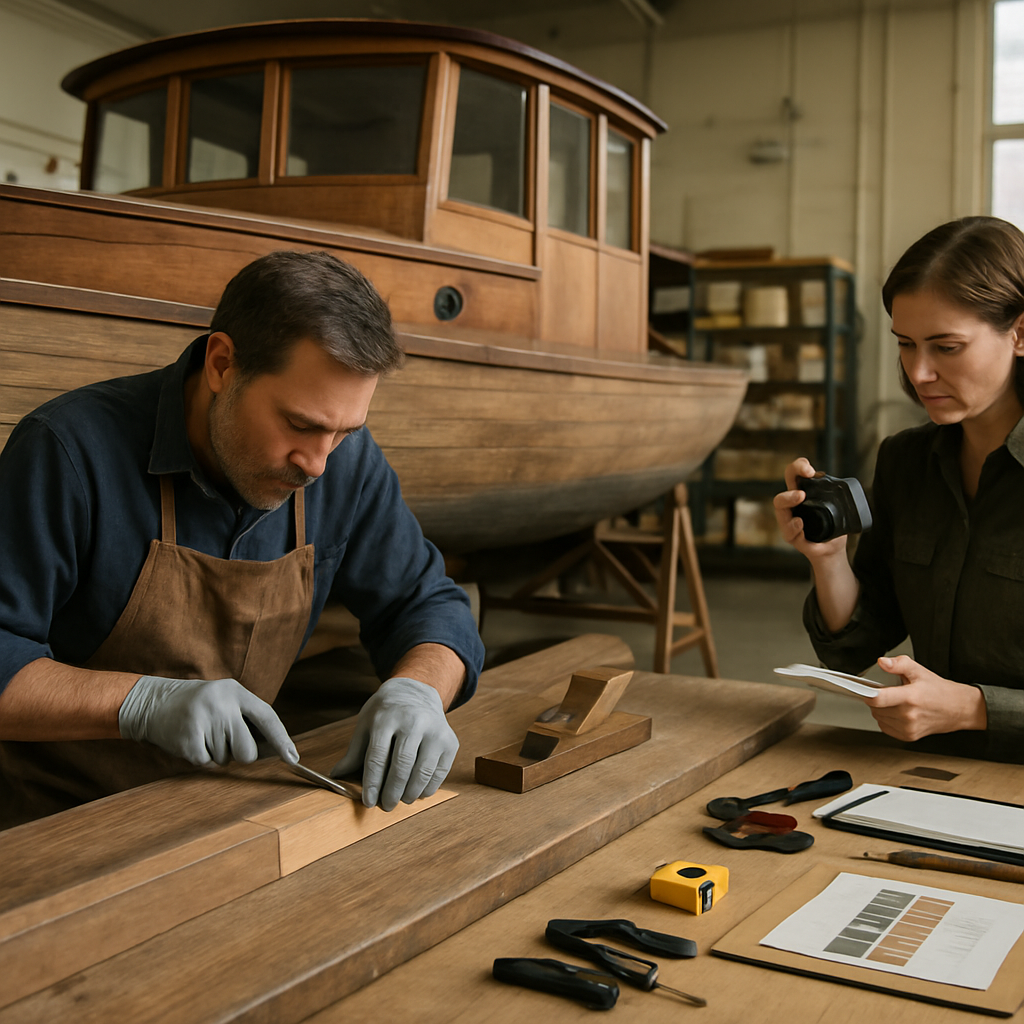
- Documentation: Photograph, record, and log every step. A good paper trail—or digital trail—saves headaches later.
- Material compatibility: Match repairs to original materials when possible to avoid unintended chemical or mechanical damage.
- Environmental control: Keep humidity, temperature, light and pests in check; the enemy of wood and fabric is often the room it lives in.
- Honest interpretation: Don’t rewrite history. Distinguish restored elements from originals so visitors know what they’re looking at.
Condition Assessment: The First Step
Before a single board is touched, conservators do a full assessment. That means structural checks, moisture mapping, paint stratigraphy, metal thickness testing, and sometimes even small lab tests. It’s not glamorous, but it’s crucial. Prioritization then follows: which boats are at greatest risk, which have the highest interpretive value, and which interventions will buy the most time for the collection?
Conservation vs. Restoration—Why the Distinction Matters
Conservation stabilizes. Restoration reconstructs. Both have their place in the preservation of historic boats and ships, but AC Museum weighs decisions carefully: are we preserving a builder’s hand, or making a vessel look like it did a century ago? Your choice affects authenticity, educational value, and how future scholars interpret the craft.
Conservation Projects and Case Studies at AC Museum
Stories stick when you see them in action. Here are representative projects from AC Museum that showcase the range of what preservation of historic boats and ships involves—wooden launches, metal patrol boats, and small craft that shaped local life.
Case Study: The “Harbor Dawn” Wooden Launch
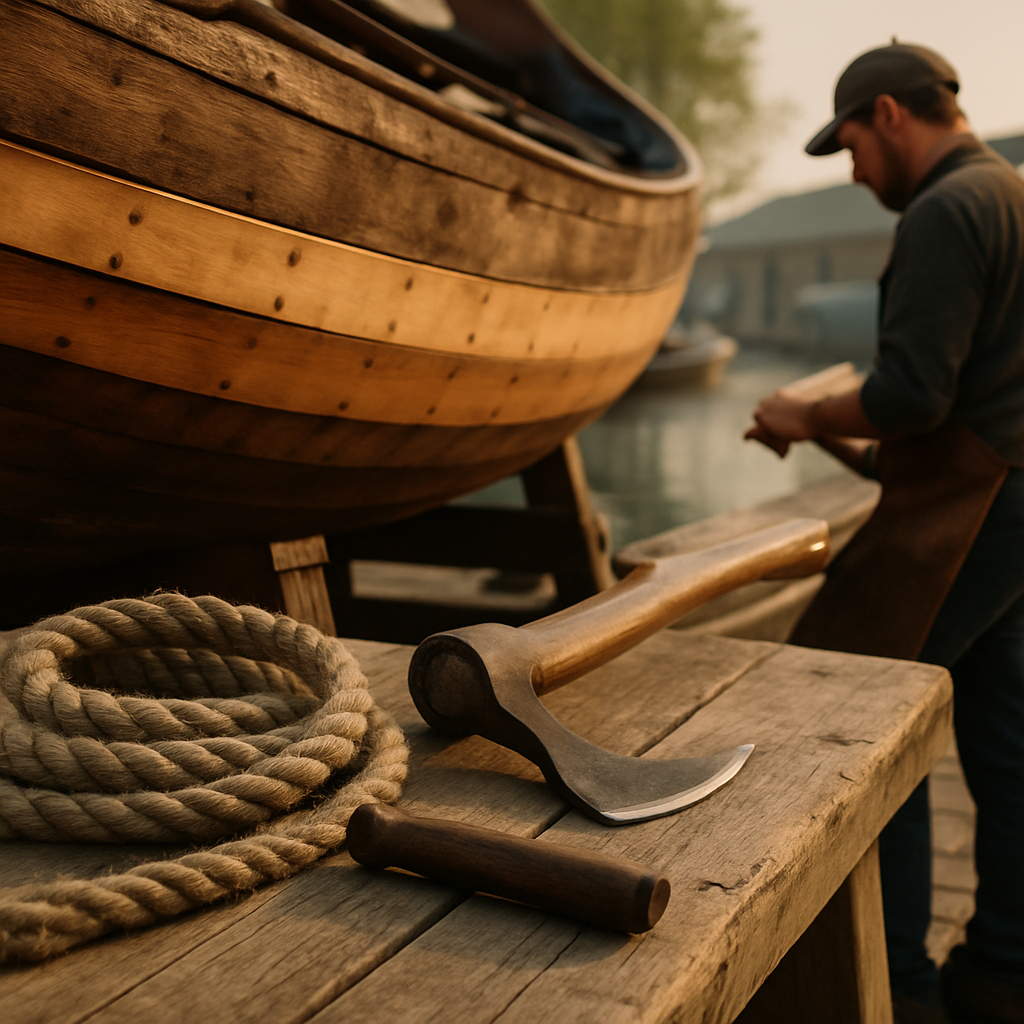
“Harbor Dawn” is a varnished, early-20th-century wooden launch with an original engine and telltale repairs. Rot in a few planks, weakened frames, and aged caulking were the main problems. The team documented everything, removed incompatible past repairs, and performed splice and Dutchman repairs with matching timber. They used steam-bent frames to retain the boat’s shape. Where modern adhesives were used, they were applied sparingly and documented in detail.
Result: A stabilized hull fit for static display and carefully monitored short trips. The project preserved original fabric while making future intervention possible—exactly how preservation of historic boats and ships should balance use and care.
Case Study: The “Tide Runner” Aluminum Patrol Boat
Aluminum behaves differently. “Tide Runner,” a mid-century patrol craft, showed galvanic corrosion and fatigue around fasteners. AC Museum’s team ran electrochemical analyses, used ultrasonic testing to find hidden cracks, and selected compatible alloys for rivet and plate repairs. They also installed sacrificial anodes and chose coatings designed to avoid unwanted galvanic interactions.
Result: Structural safety without erasing character. The engine, fittings, and hull retained as much original material as possible—essential in the broader task of preserving historic boats and ships that span different materials and eras.
Case Study: Community Small Craft Project
A set of small fishing dinghies became both conservation projects and classroom pieces. Volunteers and students learned caulking, plank repair, and varnishing under professional supervision. The museum used these boats to build local stewardship and document vernacular construction techniques.
Result: Multiple conserved boats, increased community investment, and new stewards who understand the care needed to maintain historic craft.
Techniques and Materials in Historic Boat Restoration
When you talk about the preservation of historic boats and ships, you’re really talking about marrying craft tradition with modern science. Below are practical techniques and material choices AC Museum uses when conserving different hull types.
Wood: Tradition and Tender Care
- Steam bending: For ribs and frames; it reshapes wood without weakening it.
- Splices and Dutchman patches: Replace only what’s rotten. Careful shaping is an art.
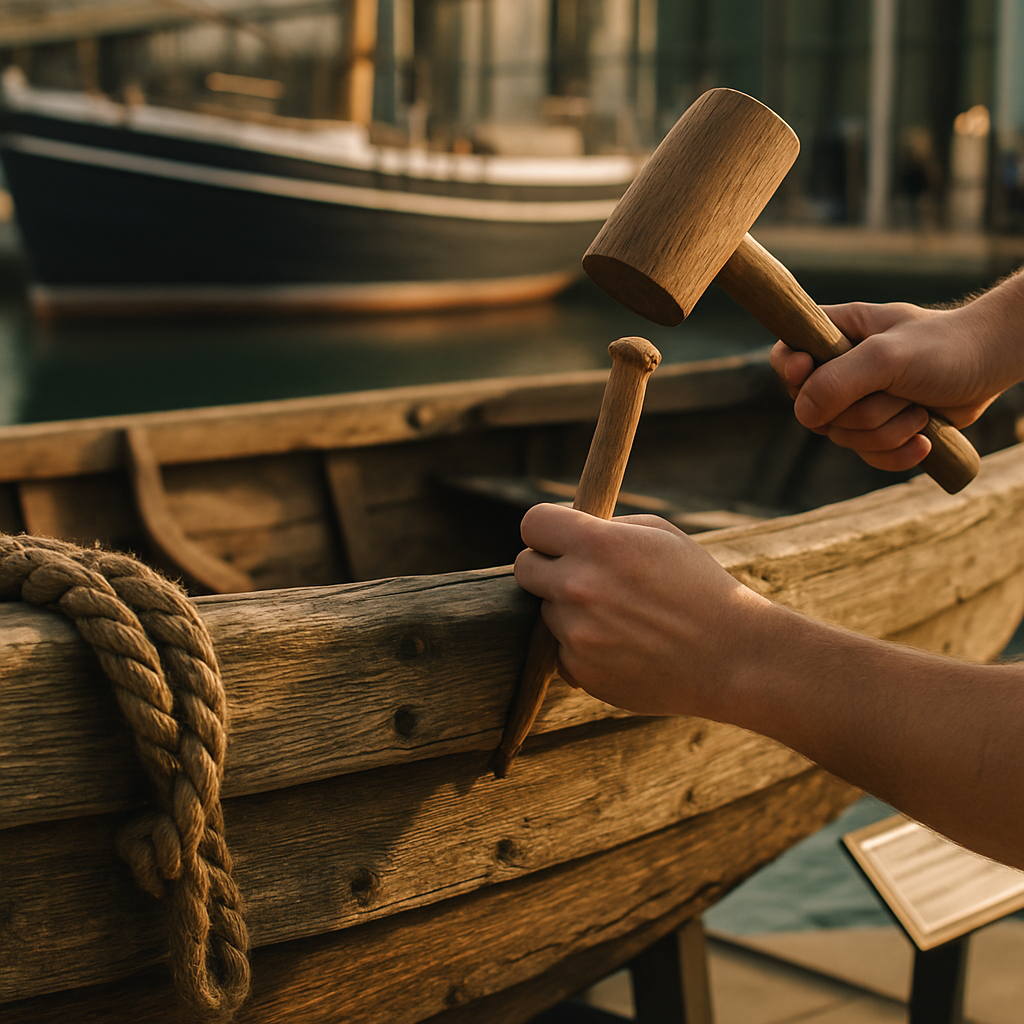
- Traditional caulking: Oakum and cotton remain visually and historically important; sometimes backed with a modern sealant for durability.
- Consolidants: Reversible resins can strengthen degraded wood while keeping its appearance.
Metal Hulls and Fittings
For steel, iron, bronze, and aluminum, the goal is corrosion control and structural repair using compatible metals. Techniques include rivet replacement, sympathetic welding, bolting with matched alloys, and application of protective coatings that don’t obscure the metal’s story. Non-destructive testing—ultrasound, X-ray—helps locate hidden issues without cutting into the boat.
Composite and Fiberglass Vessels
Fiberglass brings its own problems: delamination, blistering, and UV-related degradation. Conservators often use specialist resins, vacuum-bagging for strong repairs, and carefully matched gelcoats for visual consistency. Documentation is critical because some composite repairs are hard to reverse.
Surface Treatments and Hardware
Paint layers tell time. Conservators take paint samples to learn original colors and layering, then stabilize flaking areas with consolidants and use in-painting to visually unify surfaces while avoiding falsification. Hardware is assessed for significance—if original, it’s conserved; if replacement is needed, records note that clearly.
Educational Programs and Public Engagement in Maritime Preservation
Preservation of historic boats and ships isn’t just technical—it’s social. You can’t protect maritime heritage unless people care about it. AC Museum’s programs aim to broaden interest, teach skills, and make conservation relatable.
Workshops and Hands-On Learning
From weekend caulking sessions to multi-week boatbuilding courses, the museum runs workshops for hobbyists and budding professionals. These are designed to be engaging: you’ll learn tools, techniques, and why conservative choices matter. It’s learning by doing—messy, satisfying, and memorable.
Behind-the-Scenes Tours and Demonstrations
Watching someone restore a plank or rivet a patch makes the process real. The museum offers lab tours where you can see conservation in progress, ask questions, and learn why certain choices were made. It’s an excellent way to demystify preservation and encourage informed public support.
Exhibitions and Digital Interpretation
Exhibits pair conserved vessels with multimedia storytelling—photos, 3D models, and interviews with conservators. Whether you’re local or halfway across the globe, these materials help explain the significance of preserving historic boats and ships, and why the work requires both patience and expertise.
School and Community Outreach
The museum partners with schools to integrate maritime history into curricula. Kids can learn STEM through hull design, history through trade routes, and craft through hands-on modules. That early engagement fosters future stewards who’ll value preservation for what it does: connect us to the past.
Volunteer, Research, and Internship Opportunities at AC Museum
If you want to roll up your sleeves, there are many ways to join the preservation of historic boats and ships. AC Museum offers roles across skill levels and interests.
Volunteer Roles
Volunteers help with maintenance, exhibit prep, guided tours, and supervised conservation tasks. Training and safety are provided. It’s a great way to learn while giving back—plus you’ll meet others who share your enthusiasm for boats and history.
Internships and Apprenticeships
For students and early-career professionals, internships offer hands-on experience in condition assessments, treatment planning, and public interpretation. Apprenticeships in boatbuilding and conservation teach craft skills that textbooks can’t—like how to shape a chine or the right way to caulk under pressure.
Research Collaborations
AC Museum supports academic work in dendrochronology, material science, metallurgy, and maritime archaeology. Researchers get access to primary collections, lab facilities, and institutional knowledge—key ingredients for meaningful studies that advance both scholarship and on-the-ground preservation practices.
How Community Participation Strengthens Preservation
Private owners are often custodians of vessels outside museum walls. Advisory clinics help owners understand preventive maintenance, proper mooring, and simple conservation steps. When you spread knowledge into the community, you multiply the reach of preservation of historic boats and ships.
Digital Documentation and Archival Practices for Maritime Heritage
Digital tools change everything. To preserve historic boats and ships, AC Museum blends traditional archives with advanced digital capture and management practices. This creates records that survive beyond a single lifetime.
Photographic and Written Records
High-resolution photos, condition reports, annotated drawings, and treatment logs are the backbone of the archive. They let future conservators and researchers understand past interventions and the vessel’s history at a glance.
3D Capture and Photogrammetry
Photogrammetry and 3D scanning produce precise models for monitoring change, planning repairs, and creating immersive virtual experiences. Imagine inspecting a hull from your laptop—no salt spray, no risk to fragile timbers.
Digital Asset Management and Preservation
All digital assets live in a secure DAM with robust metadata—object IDs, condition states, rights information, and treatment histories. Long-term preservation means redundant backups, format migration, and regular integrity checks so these records remain usable decades from now.
Virtual Access and Public Engagement
Interactive models and virtual tours let people explore conserved boats and ships without putting fragile originals at risk. This boosts accessibility and helps spread appreciation for maritime heritage to audiences who can’t visit in person.
Frequently Asked Questions (FAQ)
What’s the difference between conservation and restoration?
Conservation focuses on stabilizing and preserving the original material and its history—basically stopping decay and documenting what’s there. Restoration rebuilds or reconstructs missing parts to reflect a specific period or appearance. You’ll often see a mix of both approaches at AC Museum, but decisions are driven by the vessel’s significance and the goal to keep the object’s story truthful.
How long does a typical restoration take?
There’s no one-size-fits-all answer. Small repairs can take days or weeks; full restorations of larger vessels can take months or years. Time depends on condition, available documentation, sourcing matching materials, weather for outdoor work, and funding. Good conservation takes patience—you don’t rush craft that’s a century old and fragile.
Can restored historic boats be used or sailed?
Sometimes. AC Museum balances use with preservation: some vessels return to limited, carefully monitored operation; others are for static display only. If a boat is to be used, safety upgrades and documentation are essential, and any operational use is tightly controlled to protect original fabric and visitor safety.
How much does preserving a historic boat cost?
Costs vary widely—minor conservation might be a few hundred to a few thousand dollars; comprehensive restorations can run into tens or hundreds of thousands, depending on size, materials, and labor. Budgeting also includes long-term storage, environmental control, and documentation. Museums often combine grants, donations, and volunteer labor to stretch limited funds.
How do you decide which boats to prioritize for preservation?
Prioritization considers condition, risk, historical significance, rarity, research value, and public interest. If a boat is unique, threatened, and tells an important story, it moves up the list. AC Museum also weighs community value—vessels with strong local ties often take precedence because they build public support for preservation.
How can I get involved—volunteer, intern, or support a project?
You can volunteer for conservation support, exhibit prep, or public programs; interns gain hands-on lab experience; donors help fund materials and specialist contractors. Contact AC Museum to learn current opportunities—training and safety are provided, so you don’t need professional experience to start helping out.
What should I do to care for my privately owned historic boat?
Start with preventive measures: keep it well-ventilated or properly covered, monitor and control moisture, check for pests and corrosion, and perform regular hull inspections. Simple maintenance—cleaning drains, monitoring bilge pumps, and prompt small repairs—prevents minor issues from becoming major ones. When in doubt, seek advice from museum clinics or conservation professionals.
Which materials and techniques are most commonly used?
Woodworking techniques like steam bending, splices, and traditional caulking are common for wooden boats; rivets, welding, compatible alloys, and corrosion control are used on metal hulls; specialist resins and vacuum repairs help with composites. The guiding rule: choose materials and methods that respect original fabric and can be documented or reversed where possible.
How is digital documentation used, and can I access these records?
Digital records—photos, 3D scans, condition reports—help monitor changes and plan treatments. AC Museum stores records in a managed archive with metadata and offers curated access for researchers and the public, though some sensitive data may be restricted. Contact the museum for access policies and research appointments.
Are there safety or legal issues I should be aware of when restoring historic boats?
Yes. Safety standards, maritime regulations, and environmental laws can affect what you’re allowed to do—especially if you intend to operate the vessel. Lead paint, asbestos in old fittings, and electrical systems require specialist handling. Always consult professionals and ensure compliance with local maritime and conservation regulations.
Final Thoughts and a Practical Checklist
Preservation of historic boats and ships is a careful balancing act. It blends craft, science, ethics, and community engagement. If you’re inspired to get involved—or just want to learn more—here’s a simple checklist to keep in mind:
- Start with a thorough condition assessment and clear documentation.
- Choose minimal, reversible treatments whenever possible.
- Match materials thoughtfully and test modern interventions for compatibility.
- Control environment in storage and display—this is low-cost prevention with high payoff.
- Share what you know: teach, volunteer, and involve the community.
- Use digital tools to extend access and preserve detailed records for the future.
Preserving historic boats and ships is more than fixing wood and welding metal. It’s about sustaining stories—of coastal communities, courageous sailors, and everyday livelihoods. AC Museum’s work keeps those narratives afloat, and you can be part of it. Whether you volunteer, study, visit, or simply tell a friend, your interest helps safeguard maritime heritage for generations to come. Ready to take a closer look? Dive in—your curiosity is the start of another conservation story.