Discover the Magic of Historic Boats and Vessels: Be Captivated, Learn Deeply, and Step Aboard at AC Museum
Attention: If you love the smell of salt air, the creak of timber, or the idea of stories locked inside an old hull, you’re in the right place. Interest: AC Museum’s collection of Historic Boats and Vessels does more than look pretty on the water — it teaches you how these craft shaped daily life, commerce, exploration, and culture. Desire: Imagine running your hand along a re-roped tiller, trying a simple scarf joint under the guidance of a boatwright, or watching a restored cutter slip into the tide. Action: Read on — then plan your visit. You’ll come away with knowledge, hands-on experience, and a fresh appreciation for maritime heritage.
If you want practical details before you arrive, check the museum’s main portal at acmuseum.com for hours, events, and ticketing information. For a focused read on maritime commerce and long-distance voyages, the piece on Boats in Exploration and Trade History lays out how vessels shaped global exchange. Curious about how hull shapes evolved across regions? The Evolution of Wooden Boat Types article explains form and function. If rescue craft grab your interest, explore Lifeboats and Rescue Craft in History, and for striking examples and stories consult Notable Historic Vessels and Ships. Finally, to understand how these objects are cared for, read about our methods at Preservation of Historic Boats and Ships.
Historic Boats and Vessels: A Maritime Heritage Overview
Historic boats and vessels are living snapshots of how people solved problems with wood, rope, and imagination. They’re engineering, art, and social history all wrapped into one. When you stand beside an old hull, what you’re really seeing are choices: What wood was available? How many hands built it? What weather did it have to survive? Each decision encoded a local economy, a set of skills, and a handful of stories.
At AC Museum, the emphasis is broad but rooted. You’ll find everything from river ferries that stitched communities together to ocean-going traders that rewired the globe’s trade routes. The museum frames these vessels as both practical tools and as artifacts that reflect taste, status, and technology. And because boats are meant to move, many displays link what you see on land to what it feels like on the water: pitch, heel, the shifting weight of cargo — all of it mattered.
Why “Historic Boats and Vessels” matter today
We live in a world of plastics and composites, GPS and engines. But those newer technologies stand on the shoulders of centuries of craft. By studying historic boats and vessels, you learn about risk-taking, local innovation, and the trade-offs communities made. You also get a clearer picture of social history: migration patterns, seasonal work cycles, naval power, and leisure traditions. In short: boat histories tell human histories.
Quick snapshot: What you’ll see
- Working skiffs and fishing punts — the daily tools of coastal livelihoods.
- Merchant hulls and ferries — engines of local economies and mobility.
- Models and full-size restorations — from tiny dugouts to mid-sized traders.
Traditional Boat Construction Methods on Display at AC Museum
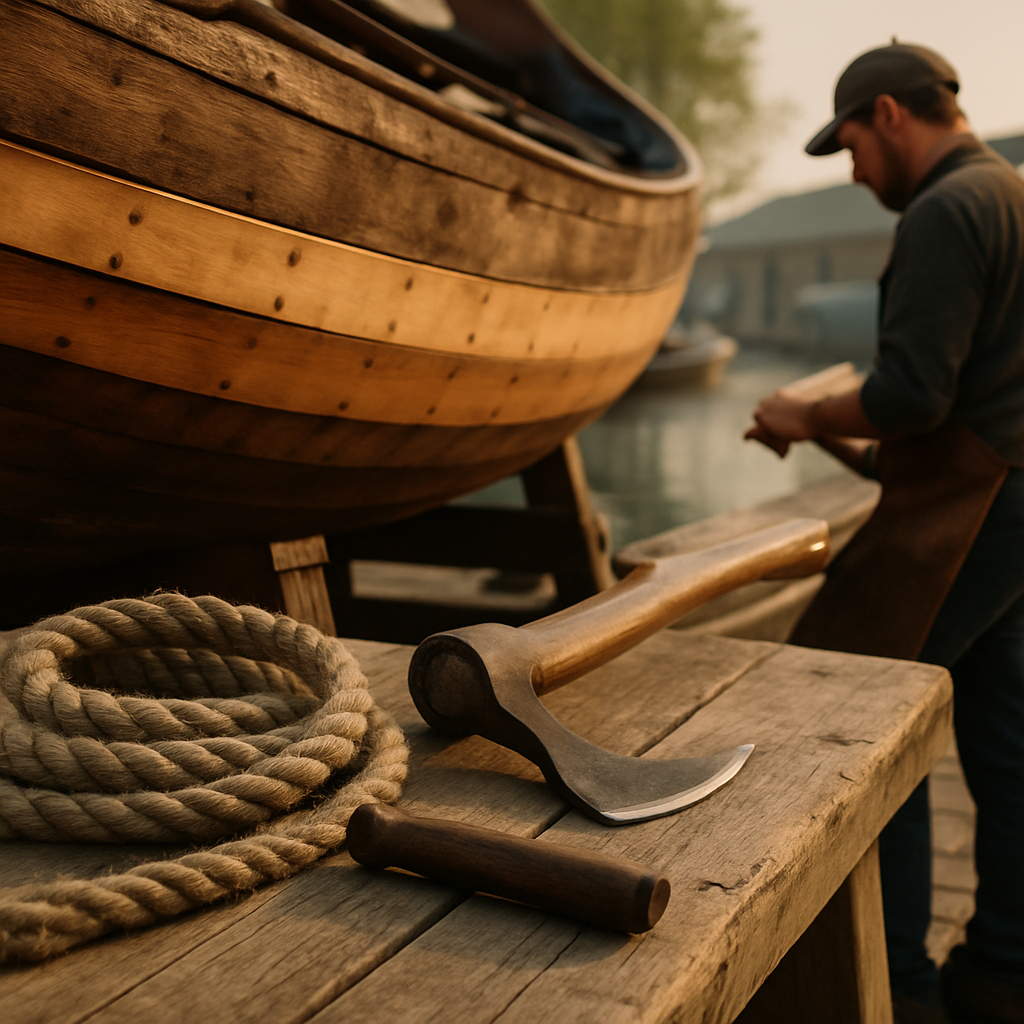
Want to know how a boat goes from tree to tide? AC Museum lays out the whole process, and it’s fascinatingly human. Traditional builders relied on local timber qualities, seasonal work rhythms, and hand tools that have long, practical lineages. You’ll spot techniques that vary by geography: lapstrake clinkering in colder coastal zones, carvel planking where smoother hulls were needed, reed and skin boats where timber was scarce.
Key methods you can inspect up close
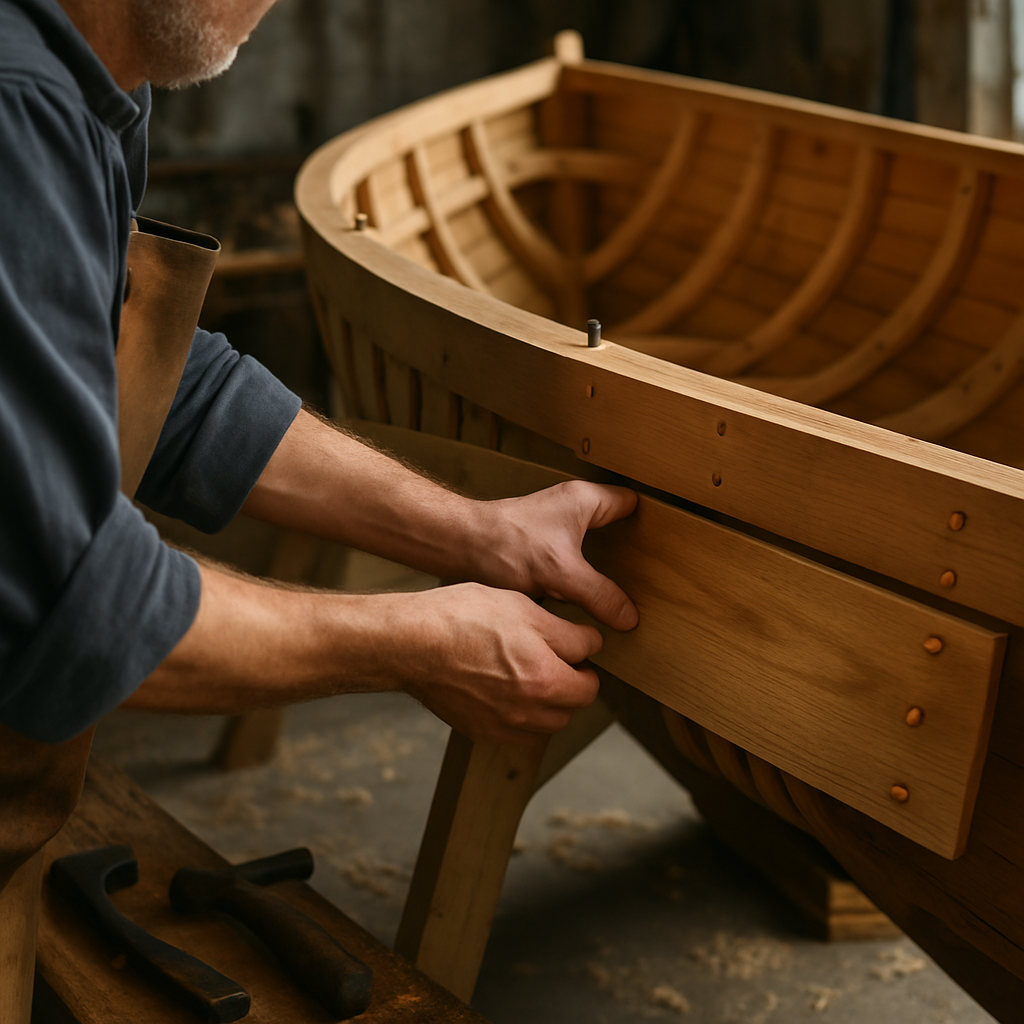
The museum doesn’t hide the details. Cross-sections, stripped timbers, and tool displays let you see scarf joints, treenails (trunnels), iron fastenings, and caulking lines. Those small features make huge differences in performance and longevity.
- Clinker (lapstrake) planking: Overlapping planks create strength and flexibility. Think of many small shields overlapping to resist a wave’s bite.
- Carvel planking: Smooth, edge-to-edge planks fastened to a frame — better for larger cargo loads and smoother sailing at speed.
- Shell-first vs. frame-first: Two philosophical approaches: either sculpt the shell and add structure later, or erect a frame and skin it. Each has pros and cons.
- Reed, skin, and composite methods: Lightweight, clever, and perfectly matched to environments where lumber wasn’t plentiful.
Hands-on learning: try the craft
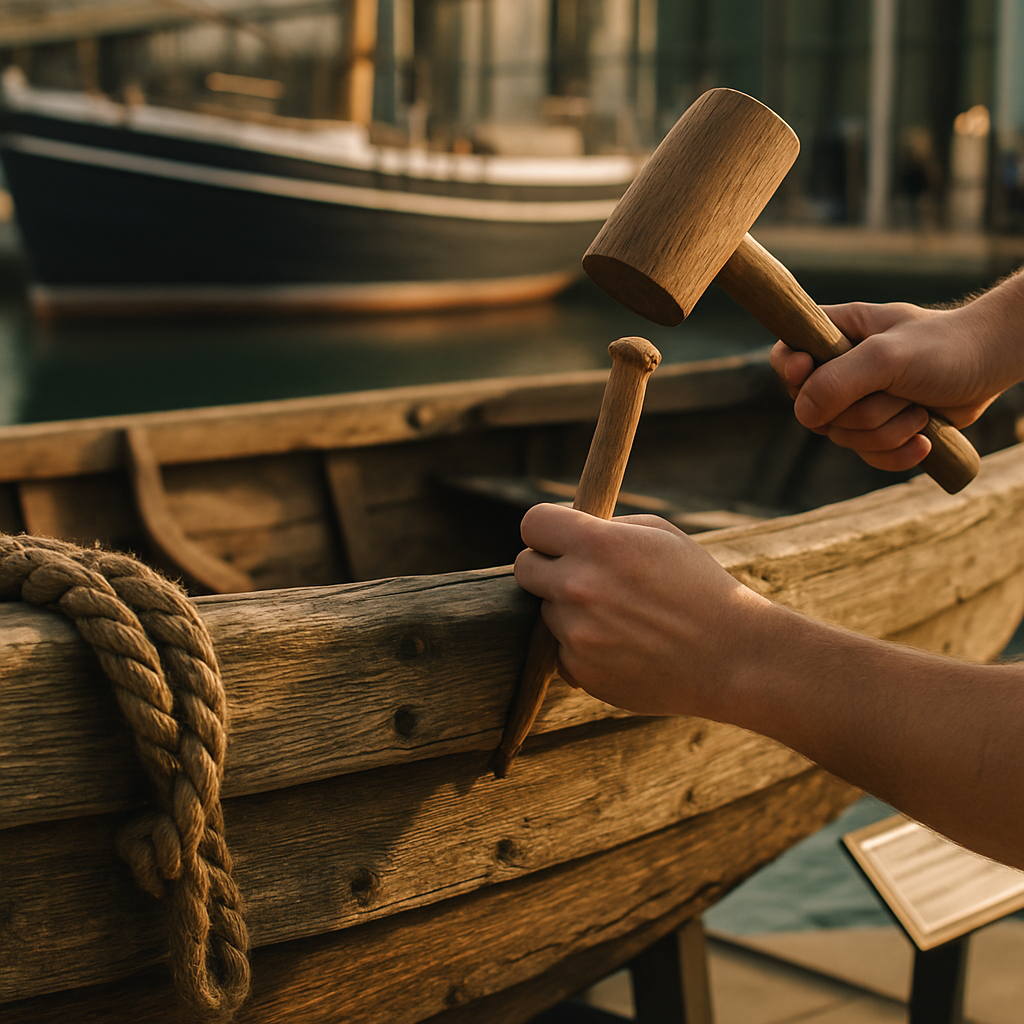
If you like to tinker, AC Museum offers workshops where you’ll try basic joinery, pegging, and caulking. The feeling of shaping a scarf joint or sinking a wooden peg into an oak plank is quietly addictive. It’s practical, meditative, and gives you a newfound respect for the folks who kept communities afloat — literally.
From Exploration to Transportation: How Historic Vessels Shaped History
Historic boats and vessels weren’t just tools — they were agents of change. Want to connect the dots between a clumsy, creaky hull and a map of colonial trade routes? It’s possible, and AC Museum makes those connections explicit and meaningful.
Exploration and global contact
Advances in hull construction, sail rigging, and navigation increased range and reliability. That meant voyages into previously unknown (to Europeans) waters, contact — sometimes peaceful, often violent — and the reshaping of global demographics and economies. AC Museum covers these stories without sugar-coating: maritime history involves wonder and hardship, innovation and exploitation.
Commerce, urban growth, and livelihoods
Boats moved goods cheaply and in volume. That’s why ports became cities and why certain towns thrived while others withered. Exhibits at AC Museum trace the life of commodities — from harvest to market — and show how vessels of different sizes did very specific jobs. You’ll see how river barges enabled inland trade; how coastal traders connected fisheries to urban markets; and why small craft mattered as much as big ships in everyday economy.
Migration and cultural exchange
Ferries, small coastal vessels, and migrant ships carried people — and with them, languages, crafts, and traditions. Through passenger manifests, oral histories, and personal artifacts, the museum brings forward the human side: who left home, why, and what they carried with them. Maritime movement shaped neighborhoods, cuisines, and family stories that persist today.
Iconic Ships and Everyday Craft in Our Waterfront Gallery
The waterfront gallery is where grandeur meets grit. You’ll find an iconic restored vessel that draws gasps, but it’s the rowboats, punts, and patched ferries that linger in your mind. Those smaller craft tell the daily story — fishermen heading out before dawn, ferrymen navigating cross-currents, and kids learning to knot a halyard on a summer afternoon.
Featured vessels
- Restored coastal trader: A mid-sized cargo ship with carvel planking, rigging details, and cargo artifacts on display. It’s a good lesson in load balance and economy-driven design.
- Traditional fishing punt: Clinker-built, patched, loved. Accompanying audio includes fishermen’s voices describing seasonal rituals and gear choices.
- Historic ferry replica: Explore how short-distance transport knitted communities together and made daily life possible for many.
- Indigenous small craft: Lightweight, efficient, and perfectly adapted to tidal channels and reef conditions. These displays highlight local environmental intelligence.
Interpretive tools that bring objects alive
Expect more than placards. The gallery uses audio stations, touch tables, and video to explain rigging, hull shape, and the human lives behind each craft. You can listen to a mariner’s log read aloud, handle a replica trunnel, or watch a time-lapse of restoration work. It’s immersive without being gimmicky.
Interactive Exhibits and Hands-On Lessons in Maritime History
Want to learn by doing? You’re covered. AC Museum’s interactive offerings are built to engage different ages and learning styles. Whether you’re a parent with curious kids, a student on a field trip, or an adult looking for a new hobby, the museum makes maritime skills accessible.
Workshop highlights
- Boatbuilding sessions: Multi-day workshops that guide you through plank shaping, jointing, and assembly. You’ll leave with practical skills and a small skiff — or at least the pride of having built something real.
- Navigation labs: Hands-on use of compass, sextant, and chart reading. You’ll get a visceral sense of how difficult long-distance navigation was before electronics.
- Children’s discovery activities: Scavenger hunts and experiments—floating vs. sinking, balance, and basic physics explained through play.
- Conservation demonstrations: See how conservators desalinate, stabilize, and document artifacts. It’s surprisingly detective-like work.
Special events: demonstration sails and community days
On select days, restored vessels launch for short demonstration sails. Watching a historic hull under wind is one thing; feeling the heel and seeing rigging under tension is another. Community days often include live storytelling, knot-tying competitions, and food stalls — a festive way to learn and mingle.
Meet the Guides: Stories and Expertise Behind AC Museum’s Collections
Guides at AC Museum are not just information-speakers; they’re storytellers with hands-on experience. Many are boatwrights, retired mariners, historians, or volunteers who grew up around boats. Their personal connections add warmth and depth to every tour.
Who you’ll meet
- Curators: They dig into provenance, chase down lost plans, and decide which stories are told. They’re part historian, part detective.
- Boatwrights: Practical masters of timber, steam-bending, and knots. They lead workshops and restoration projects.
- Docents: Friendly storytellers who make complex topics approachable and fun.
- Oral historians: They collect living memories — voices and anecdotes that bring human texture to the objects.
What makes our guides special
It’s the mix of expertise and personality. A docent might segue from describing a hull’s engineering into a personal anecdote about a stormy crossing, or a boatwright might joke about the one peg that always refuses to cooperate. Those small human touches make the past relatable.
Planning Your Visit: Practical Tips and Educational Opportunities
If you’re thinking of visiting, here are a few tips to make the most of your time. First: wear comfortable shoes. Second: bring a light jacket — waterfront weather changes fast. Third: check the schedule for workshops and demo sails; some require separate tickets.
School groups and educators
AC Museum is an excellent resource for curriculum-aligned visits. Programs can be tailored to history, science, art, and vocational studies. Pre-visit materials and post-visit activities help cement learning. Teachers can book guided tours and hands-on sessions that match grade-level goals.
Accessibility and inclusion
The museum works to make maritime history accessible. There are tactile models for visitors with visual impairments, audio descriptions, step-free routes where possible, and quiet hours for visitors who need a calmer environment. If you have specific needs, contact the museum in advance — they’ll do their best to accommodate you.
Frequently Asked Questions — Historic Boats and Vessels
What are the museum’s opening hours and ticket options?
You can find up-to-date opening hours and ticket pricing on the museum’s homepage and events page; standard hours, seasonal variations, and special event times change, so it’s best to check before you plan a trip. Group rates and discounts for students, seniors, and family bundles are usually available, and some demo sails or workshops may require separate paid tickets, so book early for popular dates.
Are demonstration sails included with general admission?
Demo sails are spectacular, but they’re not always included with basic admission because of limited capacity and safety considerations. The museum posts a schedule for demonstration sails and notes whether they’re included or sold separately; if you really want to sail on a restored vessel, reserve your spot ahead of time to avoid disappointment.
Can I join a boatbuilding workshop without prior experience?
Absolutely. Workshops are designed for various skill levels, from complete beginners to seasoned hobbyists. Instructors guide you step by step through plank shaping, joinery, and basic fitting. Expect hands-on work, safety briefings, and a friendly environment. Some advanced courses require prior experience, so check the course description before signing up.
How can I volunteer, intern, or get involved with restoration projects?
The museum welcomes volunteers and interns with a range of interests: workshop assistance, guided tours, conservation support, or archival work. Volunteer opportunities and internship postings are listed on the museum site; if you don’t see what you want, send an inquiry — many roles are arranged seasonally and on project needs, and a bit of initiative goes a long way.
Is the museum suitable for school trips and curriculum links?
Yes — school programs are a core offering. The museum provides curriculum-aligned sessions across history, physics, and art, with pre-visit materials, hands-on workshops, and post-visit activities. Teachers can tailor visits to age groups and learning goals; special rates and group resources are generally available upon booking.
How are historic boats conserved and preserved?
Conservation is a careful balance between access and protection. The museum practices desalination for waterlogged timbers, controlled humidity storage, pest management, and reversible treatments to stabilize hulls. You can learn about these techniques in on-site demonstrations and detailed write-ups that explain how conservators diagnose issues and choose appropriate interventions.
Can I access archives, plans, or research materials?
Researchers and advanced students can request access to the museum’s archive by appointment. The archive contains ship plans, builder’s notes, photographs, and oral histories. There may be restrictions on handling fragile materials; if you’re planning serious research, contact the museum ahead of time with specifics so staff can prepare relevant material and any necessary supervision.
Does the museum accept vessel donations or loans?
Yes, the museum accepts donations and long-term loans but follows strict accession and conservation criteria. If you’re considering offering a historic boat, contact the curator with provenance details, condition reports, and photos. The process ensures that the vessel fits the collection’s mission and that the museum has resources for appropriate care.
Are there accessibility accommodations and sensory-friendly options?
The museum strives for accessibility: there are tactile models, audio descriptions, step-free routes where feasible, and quiet hours for visitors who prefer calmer experiences. If you or someone in your group has specific needs, contact visitor services in advance so staff can arrange accommodations or suggest the least crowded times to visit.
Can I take photos or film at the museum?
Photography for personal use is generally allowed, but tripods, flash, and commercial filming usually require prior permission to protect objects and visitor experience. If you plan to publish photos or shoot video for commercial purposes, contact the museum’s communications team to arrange permissions, location access, and any required fees.
Preservation and the Future of Historic Boats and Vessels
Preserving historic boats and vessels is a long, expensive, and delicate process. Salt, wood-boring organisms, and fluctuating humidity are relentless foes. AC Museum uses careful conservation practices: environmental monitoring, desalination techniques for waterlogged timbers, and reversible treatments so future conservators can try new methods.
Training new generations
One of the museum’s most important missions is passing on craft skills. Apprenticeships, volunteer restoration programs, and partnerships with technical schools ensure that boatwright skills don’t vanish. This is crucial — once a skill disappears, the gap is hard to fill.
Digitization and outreach
Digitizing archives, plans, and oral histories expands access beyond local visitors. The museum is increasingly focused on online resources: high-resolution photos of plans, recorded talks, and searchable catalogs. That means if you can’t come in person, you can still learn and connect.
Final Thoughts: Why You Should Care About Historic Boats and Vessels
Historic boats and vessels are calendars, maps, and diaries all at once. They tell where people lived, what they valued, and how they got by. At AC Museum, you don’t just look at objects; you get invited into lives that shaped waterfront communities. The museum blends scholarship with practice, showing you the nuts, bolts, and human stories behind each craft.
So, will you come and see for yourself? Whether you’re a sailor, a student, or just someone who appreciates a good story, AC Museum’s Historic Boats and Vessels exhibit has something that will surprise and teach you. Plan a visit, join a workshop, listen to the guides — and let a beam, a peg, or a weathered plank tell you its story.
Ready to take the plunge?
Check AC Museum’s events calendar for demo sails and boatbuilding workshops. If you’re curious about volunteering or research access, send a note to the museum — they’re eager to work with volunteers, students, and enthusiasts who want to keep maritime traditions alive. See you at the waterfront.