Discover the Story: Notable Historic Vessels and Ships That Changed How We See the World
Imagine stepping aboard a creaking deck, smelling tar and salt, and feeling the pull of a rope as sails fill. That curiosity—about how people moved, traded, explored and survived at sea—is what draws many to the study of Notable Historic Vessels and Ships. If you’re the kind of person who loves a good story with a dose of craftsmanship, innovation and a little danger, stick around. You’ll leave with a clearer picture of why these vessels matter, a hunger to see them in person, and a handful of practical insights for your next museum visit.
If you want to follow specific voyages and see how individual journeys shaped trade routes, take a look at our focused overview on Boats in Exploration and Trade History, which brings together case studies and maps that make it easier to connect a single ship’s voyage to broader economic shifts; this resource is written to help curious visitors and students alike understand how trade and exploration were literally carried by hulls and sails.
To dig into the technical side—what makes a hull flexible or why certain planking styles dominated particular coasts—you’ll find the illustrated essay on the Evolution of Wooden Boat Types especially useful, as it walks through regional carpentry traditions, common materials, and the practical trade-offs shipwrights made when designing boats for fishing, cargo, or long voyages, giving you a picture of craft evolution over centuries.
And if you’re interested in an anchor page that ties regional examples, restoration projects and visitor opportunities together, don’t miss our gateway page for Historic Boats and Vessels, which links exhibits, hands-on workshops, and conservation updates so you can plan a museum visit informed by the latest curatorial work and community events.
Notable Historic Vessels in Maritime History
Notable Historic Vessels and Ships are not just pretty hulls in a brochure; they are technology, culture and survival strategies rolled into one. From the earliest dugouts to ironclads, each class of vessel tells you something about the people who built and sailed them—their priorities, their resources, and the challenges they solved.
Let’s break this down quickly so you can spot the key types on a museum plaque or in a film. Ancient reed boats and dugout canoes mark humankind’s first flirtations with waterborne travel. In Mediterranean history, triremes and biremes were tactical marvels—fast, oared warships that won battles and shaped empires. Across the north, Viking longships combined speed and shallow-draft versatility, enabling raids, trade and wide settlement.
Fast forward to the Age of Discovery: caravels and carracks, with their improved hulls and sail plans, were the workhorses of global exploration. Galleons then carried not just treasure but empire—packed with goods, cannon and crew. The story continues with the clipper ships of the 19th century, crafted for speed, and the steam and iron vessels that transformed reliability and capacity. Each of these vessel categories is “notable” because it solved a problem of its time in a way that changed patterns of trade, migration, warfare or knowledge.
Iconic Ships That Shaped Exploration and Global Trade
Pinpointing a few ships helps turn broad historical forces into individual stories. You can think of these ships as the influencers of their day—except with more sails and fewer sponsored posts.
Consider the vessel Victoria, which completed the first recorded circumnavigation of the globe. Its voyage proved what many had speculated: the oceans connected continents in a single, navigable system. That voyage reshaped maps and commerce and forced European powers to rethink logistics and naval strategy.
Exploration vessels like James Cook’s HMS Endeavour did more than annex coasts; they collected scientific data, charted coastlines and established long-term routes for later trade and settlement. Meanwhile, merchant leviathans—galleons and East Indiamen—acted as floating economies, bridging Europe with Asia and the Americas. Their arrival in port could change the price of spices, textiles or silver in a single season.
The industrial age produced different icons: the iron-hulled SS Great Britain and the speed-obsessed clippers such as the Cutty Sark. The former proved that iron and steam could make long-distance ocean travel more reliable; the latter demonstrated how much money could be saved by shaving days or weeks off tea runs. Then, of course, there are the cautionary but pivotal stories of disaster—RMS Titanic’s sinking prompted international maritime safety reforms and a collective rethink on engineering hubris.
Craftsmanship Behind Historic Vessels: Hulls, Masts, and Rigging
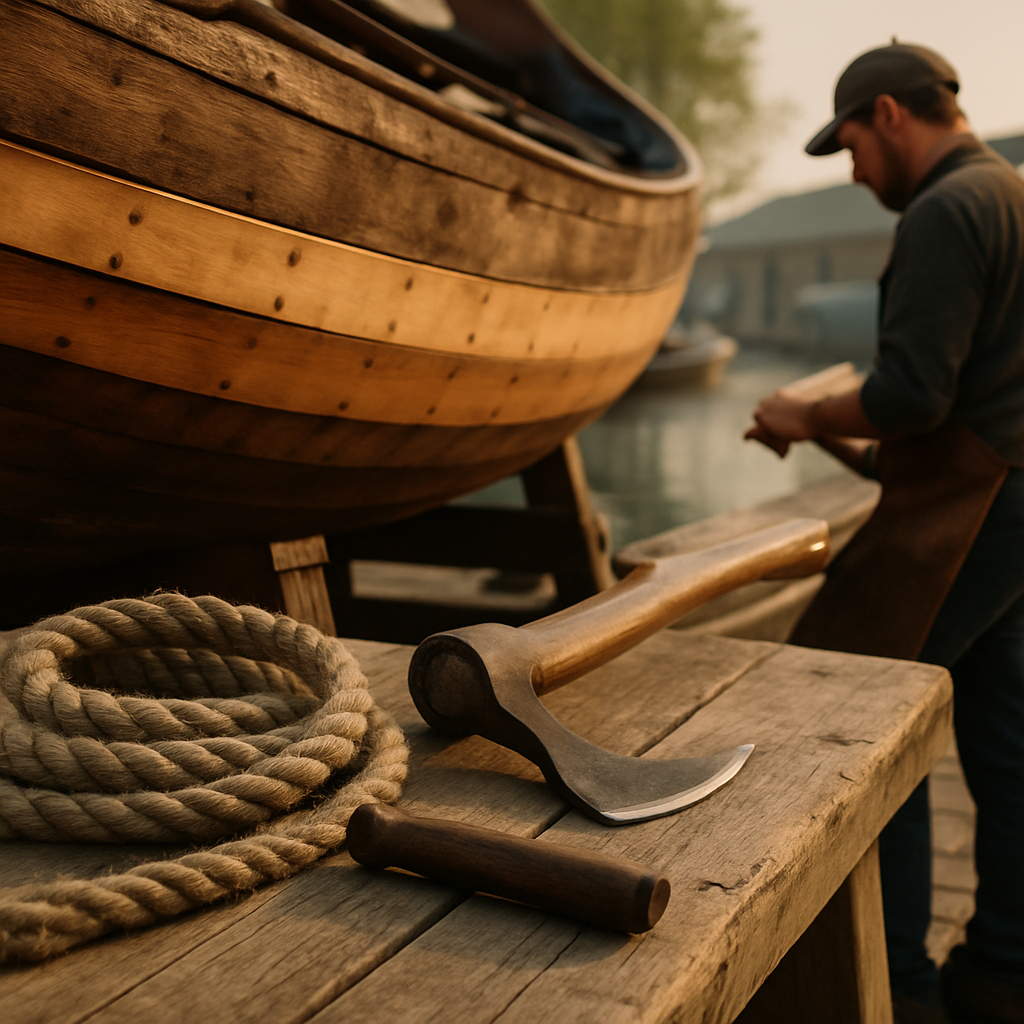
If you enjoy how-to details, this section is for you. The look and performance of Notable Historic Vessels and Ships derive directly from centuries of hands-on refinement. Shipwrights were, and remain, practical engineers with a keen eye for materials and geometry.
Hulls: Forms, Materials and Methods
Two classic wooden construction methods dominated northern Europe: clinker (lapstrake) and carvel. In clinker construction, planks overlap like the shingles on a roof, producing a flexible, lightweight hull ideal for the choppy northern seas. That’s what gave Viking longships their trademark strength and agility. Carvel-built hulls, by contrast, have planks flush against an internal frame. This approach created smoother lines and allowed for larger cargo holds—think carracks and galleons.
Material choices depended on region and availability. Oak was king in northern Europe; teak dominated in tropical zones for its rot resistance. As you walk around a preserved hull, look at the fastenings: early builders used treenails (wooden pegs) and iron nails, then moved to copper sheathing to stop shipworm and biofouling, and finally to steel rivets and welding with the advent of industrial metalworking.
Masts, Spars and Sail Plans
How a ship set its sails had everything to do with where it was meant to sail. Square rigs propelled ocean-crossing ships that enjoyed long downwind runs, while fore-and-aft rigs allowed better windward performance—useful for coastal traders and small crews. Rigging is a world of its own: standing rigging (the fixed lines) holds the masts steady; running rigging (the working lines) trims the sails. The evolution from hemp and flax rope to wire and modern synthetics changed maintenance needs and how crews handled sails.
Joinery, Caulking and Protection
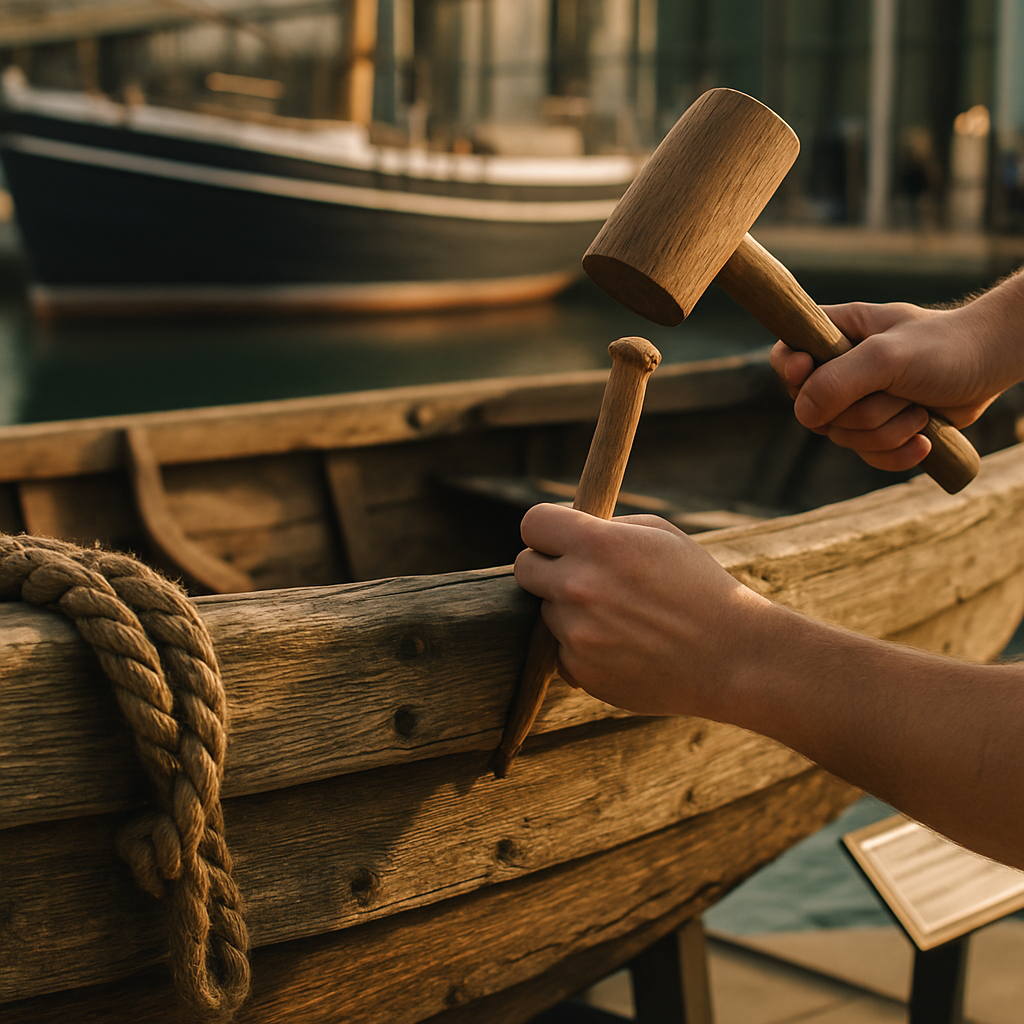
Good joinery is invisible until it fails. Caulking, the process of sealing seams with oakum and tar, kept wooden ships watertight for years. Later, copper sheathing on hulls slowed fouling and extended periods between careening. These details may sound mundane, but they were the difference between a profitable voyage and a costly stop for repairs.
Preservation: Balancing Authenticity and Accessibility
When museums restore vessels, they juggle authenticity with interpretation. Some original timbers can be preserved in situ, while fragile elements are replaced with replica parts for safety during demonstrations. You’ll often see transparent documentation explaining what’s original and what’s been rebuilt—this honesty helps historians and visitors trust the story being told.
From Sail to Steam: A Timeline of Notable Vessels
The shift from sail to steam didn’t happen overnight. It was a messy, fascinating process—part invention, part stubbornness, and part economic pressure. Here’s a compact timeline that captures the major leaps.
- Prehistoric to Classical Eras: Dugouts and basic framed boats support local travel and early trade networks.
- 500 BCE–500 CE: Mediterranean oared ships refine naval tactics and short-haul commerce.
- 8th–11th centuries: Viking longships open up northern sea routes and European settlement.
- 15th–17th centuries: Caravels and carracks support global exploration—new worlds are mapped, exploited and traded.
- 17th–18th centuries: Frigates and ships of the line dominate naval warfare; global colonial trade intensifies.
- 19th century: Iron hulls and steam engines appear, transforming range and scheduling for commercial and military vessels.
- Late 19th–early 20th centuries: Steel hulls and advanced engines usher in modern liners and freight ships; safety and speed become priorities.
- 20th century onward: Diesel engines, electronics, containerization and modern materials reshape global logistics and ship design.
Each phase produced experimental vessels and incremental winners. Museums often display prototypes or preserved examples that let you trace the logic of design changes—why a new propeller shape mattered, or how a hull form reduced fuel consumption. Those details are the breadcrumbs of technological history.
Everyday Vessels with Extraordinary Stories: Merchants, Carriers, and Fishermen
Not every notable vessel is a flagship or famed explorer. Some of the most revealing stories come from humble coasters, barges and fishing boats. These are the craft that fed cities, delivered coal, and made coastal communities thrive. They are also more relatable: their crews were your neighbors, your grandparents, or maybe even your great-grandparents.
Merchant coasters and river barges show you how goods moved inland. In the industrial era, canals and rivers were the arteries of commerce—cheap, slow, but extremely effective. Their designs favored shallow drafts and heavy decks to bear bulk cargo. Ferries and lighters solved the “last-mile” problem of moving cargo from big ships to shore-based warehouses.
Fishing craft deserve special attention. A single type of boat can tell you about local ecology, market demand, and seasonal rhythms. For example, Chesapeake Bay skipjacks were built specifically for oyster dredging and represent a regional solution to a specific resource hunt. Trawlers that once dotted European coasts reveal changes in fish stocks and fishing technology over decades.
There’s something profoundly human about these vessels’ stories. They are full of apprenticeship, weathered hands, and local ingenuity—people figuring out how to make a living on water that sometimes gave and sometimes took away.
AC Museum Highlights: Notable Vessels from Our Collection
At AC Museum, we aim to bring those stories to life. Our collection focuses on regionally important craft as well as representative global types so you can see both local idiosyncrasies and universal design patterns. Below are some highlights you can explore in person—each vessel is an education in wood, rope and human choice.
| Vessel | Type / Era | Why It’s Notable |
|---|---|---|
| Harriet B. | Chesapeake Bay Skipjack (c. 1921) | One of the region’s last working skipjacks; shows oyster dredging gear and local maritime economy. |
| Clinker-Built Dory Replica | Traditional Coastal Fishing Craft | Hand-built using lapstrake techniques; central to our hands-on boatbuilding workshops. |
| Mariner’s Light | 19th-Century Schooner | Preserved rigging and binnacle; helps tell stories of coastal trade and migration. |
| Traditional River Barge | Early 20th Century Workboat | Illustrates the role of inland waterways in industrial supply chains. |
What You’ll Experience on a Visit
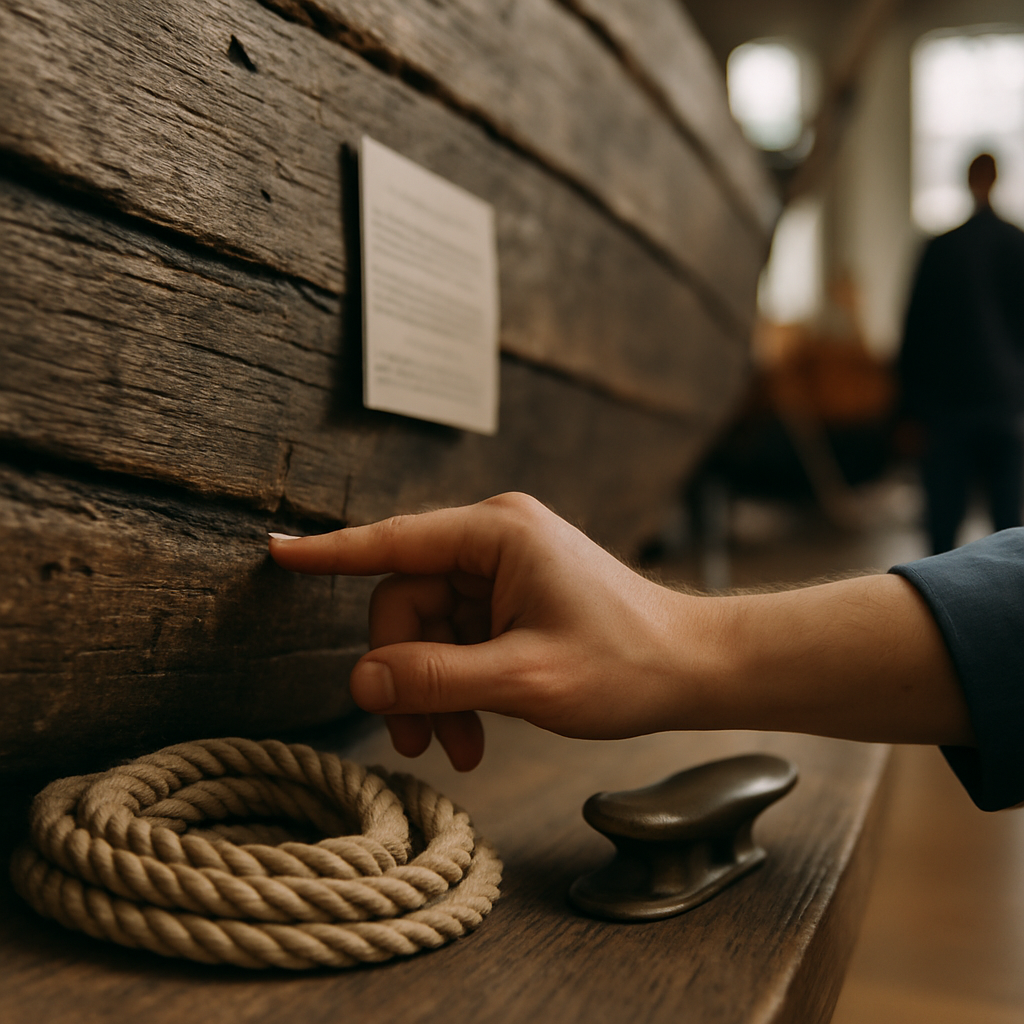
When you come to the museum, expect more than placards. Our guided tours include firsthand stories from boatbuilders and retired sailors. You can touch a caulked seam, watch a rope-maker splice a line, and sometimes even sail on a restored vessel during seasonal programs. These tactile experiences transform abstract facts into memories you’ll actually use in future conversations—yes, you’ll impress someone at a dinner party.
Interpretation and Education
We place high value on context. That means each Notable Historic Vessels and Ships display links construction details to social history: who worked the ship, what goods were carried, and how voyages influenced local life. Our oral history project records crew memories—small details like favorite sea songs or how they bundled tools for a long trip. Those human notes are often the most compelling.
FAQ — Common Questions about Notable Historic Vessels and Ships and Visiting AC Museum
What exactly are “Notable Historic Vessels and Ships”?
Notable Historic Vessels and Ships are boats and ships that had a measurable impact on navigation, trade, technology or culture—either because they introduced a design innovation, played a role in a major historical event, or vividly represent everyday maritime life from a particular era. When you look at one, you’re seeing a piece of problem-solving: choices about hull shape, materials, and sails reflect the needs and constraints of their time.
Why should I visit AC Museum to learn about these vessels?
Visiting AC Museum gives you hands-on access to both well-preserved examples and working replicas. You’ll hear personal stories from former crew, see restoration work up close, and participate in workshops that teach traditional skills. If you want to go beyond photos and read plaques, the museum’s guided tours and seasonal sails provide context and sensory experience—wind in the sails, the smell of tar, and the feel of a hand-forged cleat under your palm.
How are historic ships preserved, and can I see restoration work?
Preservation mixes conservation science with old-school craftsmanship. Techniques include controlled environments for fragile timbers, careful documentation of original materials, and replication of worn components when necessary. Yes, you can often see restoration work: AC Museum schedules demonstrations and provides interpretive notes that explain what is original and what’s reconstructed, so you understand the conservation decisions being made.
Can you sail on any of the historic vessels at AC Museum?
Some vessels and certified replicas take part in supervised seasonal sails, giving you an authentic feel for traditional seamanship. Safety and conservation needs determine which craft can go to sea; when a vessel is seaworthy for public sailings, the museum advertises the events and offers ticketed experiences with experienced crew aboard.
Does the museum offer workshops or education programs?
Yes. AC Museum runs boatbuilding workshops, rope-making demonstrations, navigation and maritime history classes, and school programs tailored to curriculum standards. Many programs let you try hands-on tasks—like caulking or splicing rope—under the supervision of skilled shipwrights. These sessions are great if you want a deeper, practical understanding of how Notable Historic Vessels and Ships were built and used.
How accurate are vessel restorations and reconstructions?
Accuracy depends on available evidence and conservation goals. Where original timbers and documentation exist, restorations aim to keep as much authentic material as possible. When crucial parts are missing or unsafe, the museum uses period-appropriate techniques and materials for replacements and clearly documents what has been reconstructed. Transparency is key: you’ll often find notes that explain the rationale behind restoration choices.
How can I find specific exhibits, events, or research materials before my visit?
Check the museum’s online pages—especially the Historic Boats and Vessels gateway and specific exhibit pages—for current hours, event calendars, and research access policies. You can also contact the museum’s education or curator team to request materials or plan a tailored visit, especially if you’re a researcher, teacher, or group planner.
Is the museum accessible and family-friendly?
AC Museum aims to be accessible and family-friendly, with ramps where practical, tactile exhibits, and programs for different age groups. Some historic vessels have limited accessibility due to their original designs, but the museum offers alternative viewing platforms, immersive multimedia, and guided tours that help everyone engage with the material in meaningful ways.
How can I support the museum or get involved?
You can support the museum by becoming a member, donating to conservation funds, volunteering in workshops or at events, or sponsoring restoration projects. The museum also accepts in-kind donations of tools, materials, and expertise—especially from people skilled in woodworking, metalwork, or traditional maritime trades.
Why Notable Historic Vessels and Ships Matter Today
These ships are more than museum pieces. They’re records of adaptation—how people used available materials, responded to environmental constraints, and traded ideas across oceans. When you study them, you learn about climate, economy, technology and culture all at once.
On a practical level, skills used in historic shipbuilding—wood joinery, traditional caulking, and sail-making—are still taught in conservation workshops and small boatyards. They feed modern craft sectors and community programs that promote sustainable, low-tech solutions. And when policymakers think about coastal resilience, they often look back at historical practices to understand long-term shoreline use and changing resource patterns.
Finally, there’s an emotional value. Standing beside a ship that crossed oceans connects you to individual lives and choices. It encourages empathy across time. You see not just a hull, but the hopes, the risks, and the daily guts it took to make a life on the water.
Conclusion: Takeaway for Curious Visitors
If you love history that’s tangible and sensory, exploring Notable Historic Vessels and Ships is a rich and rewarding path. These vessels are technical solutions, cultural signposts and human stories bundled together. When you visit AC Museum, look for the details—the joinery, the rigging, the worn spots on a deck—and ask the docents about the people who made them. You’ll leave with knowledge, memories, and maybe a new appreciation for how deeply the sea has shaped human life.
Want to dive deeper? Plan a guided tour, sign up for a workshop, or come for a seasonal sail. Bring a friend, bring your curiosity, and bring sensible shoes—boats were designed for work, not fashion. See you at the dock.