Discover Lifeboats and Rescue Craft in History: Brave Designs, Daring Crews, and Stories That Keep Us Afloat
Attention: imagine a stormy night, a broken mast, and a tiny beam of hope cutting through the spray—often, that’s a lifeboat. If Du care about maritime heritage, design that saves lives, or the human courage behind rescues, Du’re in the right place. This guest article dives deep into Lifeboats and Rescue Craft in History—how they evolved, who crewed them, and why museums like AC Museum preserve their stories. Read on, and Du’ll walk away with practical insights, memorable tales, and maybe even a fresh appreciation for the humble hull.
At AC Museum you’ll also find related collections that place lifeboats in a broader maritime context and help Du connect rescue craft with wider seafaring history. For example, our feature on Boats in Exploration and Trade History examines how exploration vessels and merchant ships influenced rescue techniques and shipbuilding. Du can also browse the full gallery of Historic Boats and Vessels to compare construction details, and visit our section on the Preservation of Historic Boats and Ships to learn how we keep these vessels seaworthy for study and display.
Lifeboats Through the Ages: Rescue Craft in Maritime History
Lifeboats and rescue craft in history started not as formal tools but as improvised means to save lives. For as long as people sailed, they needed ways to get others ashore. At first, it was fishermen with long oars or fishermen’s skiffs ferrying survivors to dry land. Those early rescues were messy, dangerous, and deeply local—no two beaches, harbors, or shipyards built the same boat.
From ad hoc to organized response
By the 18th and 19th centuries, the scale and cost of maritime travel made informal rescues insufficient. Coastal communities, trade organizations, and eventually governments began organizing dedicated lifeboat services. These early lifeboats were often heavy, beamy, and rowed by teams of volunteers who risked life and limb in surf that would shame a modern storm. The cultural shift—from reactive rescue to planned lifesaving—was huge. It meant training, special launch gear, and a public that understood saving mariners was a social duty.
Materials tell the story of progress
If Du examine a lifeboat across centuries, Du’ll read history in its timbers and rivets. Timber frames and planked hulls gave way to iron and steel as industrial production ramped up. Later, aluminum and fiberglass introduced lighter, lower-maintenance craft. Each material change answered a clear question: how can we make rescues safer, faster, and more reliable? The answer changed the look and performance of rescue craft in history dramatically.
When design met regulation
Tragedies sometimes spur progress. Shipwrecks with heavy loss of life pushed governments to require better lifesaving appliances and protocols. Over time, international conventions and national organizations insisted on standardized lifeboats for commercial vessels and improved shore-based rescue infrastructure. That regulatory backbone helped transform local ingenuity into replicable, tested designs.
Rescue Craft Innovations: How Lifeboats Evolved for the Seas
Innovation in lifeboats and rescue craft in history is a classic story of problem-solving under pressure. Designers raced to solve obvious threats—capsize, swamping, cold exposure, and slow response times. Some fixes were small and clever; others were game-changers.
Self-righting hulls and the fight against capsize
One of the great technical leaps was creating hull shapes that naturally right themselves if overturned. Early surf boats fought waves with sheer and beam; later designs balanced buoyant flotation high on the sides with heavy ballast low down. The result? A boat that, if flipped, pops back up—reducing the chance of losing the crew and survivors to a brutal sea.
Enclosed survival craft and motorization
Enclosed lifeboats shielded survivors from wind and cold and gave rescuers a way to keep people alive longer while waiting for help. Motorization changed the speed and range calculus: no longer reliant on oars or wind, lifeboats could reach scenes quicker and handle stronger currents. Engines introduced new concerns—fuel, reliability, and maintenance—but on balance they made rescues faster and more predictable.
Inflatables, RIBs, and shock mitigation
The late 20th century introduced inflatable collars and rigid-inflatable hulls (RIBs), which combine a firm hull with a forgiving, buoyant collar. RIBs are fast, agile, and tolerant of rough seas—perfect for modern search-and-rescue needs like offshore platform incidents. Designers also focused on crew comfort: shock-reducing seats, better harness systems, and helmets reduce injury during high-speed transfers.
- Pre-1800: Local wooden rescue craft tailored to coastlines
- 1800s: Organized volunteer lifeboat stations and surf-capable rowing boats
- Late 1800s–early 1900s: Metal hulls and early engines
- Mid-1900s: Enclosed survival craft and standardized gear
- Late 1900s–present: Composites, RIBs, self-righting systems, and electronics
AC Museum Spotlight: Lifeboat Construction Techniques
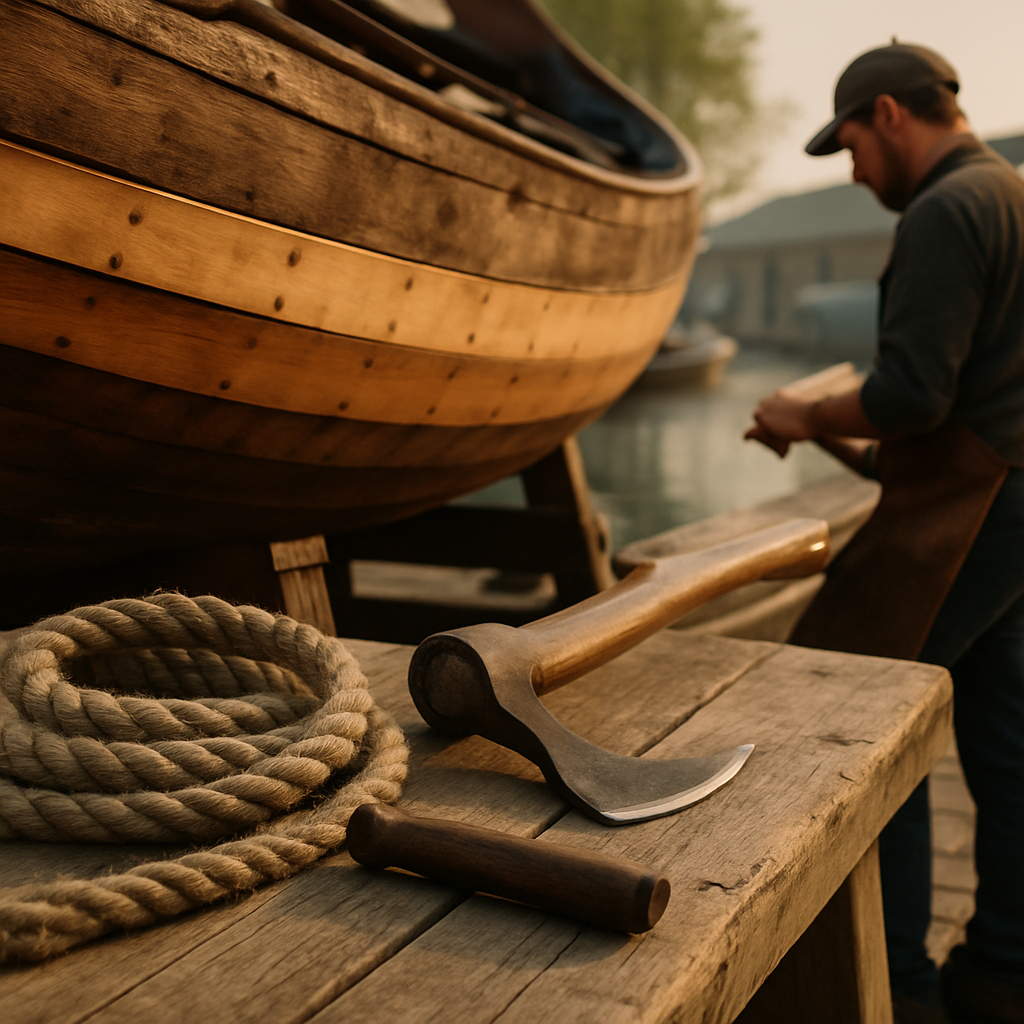
At AC Museum, Du don’t just see boats—Du see how they were made. Learning construction techniques is like pulling back the curtain: Du start to understand why a craft behaves the way it does, and why certain designs worked in particular seas. If Du visit or read our features, expect hands-on descriptions, skilled craftspeople at work, and rich contextual history.
Clinker and carvel—two old friends
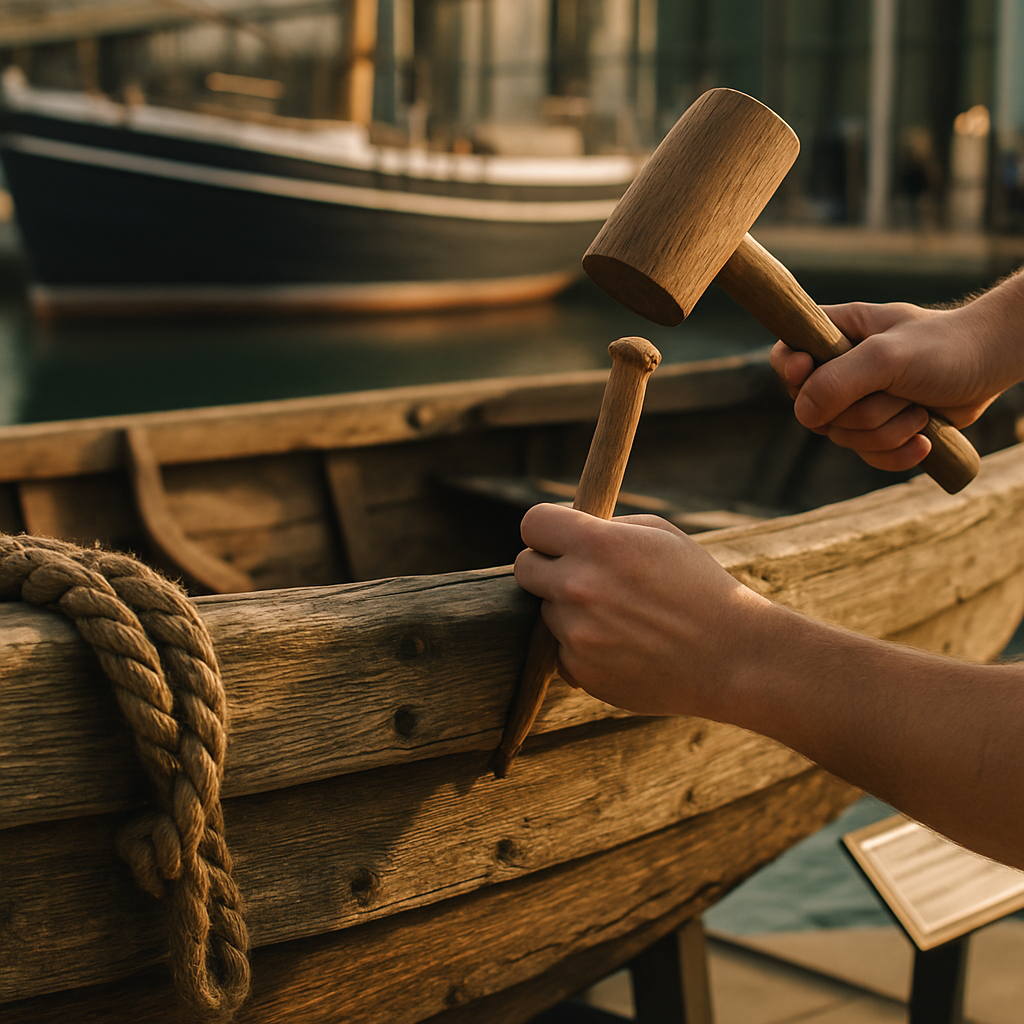
Clinker (lapstrake) and carvel plank-on-frame construction are staples in maritime craft history. Clinker’s overlapping planks provide flexibility—a boon in rocky surf. Carvel gives smoother lines and more interior space, often preferred for open-water stability. At the museum, models and restored boats let Du run your hand along the planks and see how craftsmen fastened everything together with caulking and iron fittings.
Metal work and early welding
Moving to metal required new skills: riveting, plate forming, and later, welding. AC Museum’s exhibits show the old rivet guns, the sweat-streaked linesmen shaping bulkheads, and the transition to welded seams that changed maintenance practices. These metal techniques freed designers to experiment with more robust self-righting shapes and watertight compartments.
Modern composites and sacrificial elements
Today, composite layups, foam cores, and gelcoats let builders design hulls that take punishment and still float. The museum’s restorers talk about sacrificial elements—the parts Du expect to wear out first—because preserving the hull’s integrity often means replacing fenders, collars, or timber trims rather than messing with core structures.
Iconic Rescue Vessels and Their Historic Missions
Some boats become legends. They earn their place in history through dramatic rescues, design breakthroughs, or symbolic acts of bravery. These stories help explain why lifeboats and rescue craft in history capture public imagination—they’re about people, not just machines.
Community-built surf lifeboats
In countless fishing villages, crews launched surf boats with sheer grit. These were often volunteer missions—men and women who trained informally and relied on local knowledge to read tides and rips. When a wreck happened near town, every able pair of hands mattered. The rescues weren’t glamorous, but they were vital, and many coastal communities remember them like local epics.
Organized stations and headline rescues
Organized services—like the ones funded by public subscription or by national societies—conducted high-profile rescues that shaped public policy. Big rescues, sometimes involving dozens of survivors and complex maneuvers, demonstrated the value of training, equipment, and coordination. Those missions also became templates for improved hulls, launch methods, and signaling.
Modern SAR—speed, tech, and precision
Today’s headline rescues often feature fast RIBs, helicopters, and integrated coordination centers. The challenge now is often time-critical: a person in cold water might survive only a short while. High-speed rescue craft, thermal imaging, GPS, and improved communications all combine to make modern rescues more likely to succeed. Yet, the human element—the decision, the daring—remains central.
Training, Crews, and Tactics: Lifesaving at Sea
Technology matters, but people make rescues possible. Effective training, disciplined crews, and proven tactics are as crucial as boat design. This section explores the human systems behind successful lifeboat operations.
Who joins a lifeboat crew?
Historically, crews were volunteers—fishermen, dockworkers, sailors—folks who lived and worked by the sea. Today, crews can be volunteer, professional, or a mix. Recruiters look for physical fitness, seaworthiness, teamwork, and a steady temperament. The right mixture of local knowledge and formal training creates resilient teams.
What training consists of
Training covers navigation, boat handling, casualty care, cold-water immersion response, ropework, towing, and radio communication. Simulations replicate night rescues, heavy seas, and mass casualty scenarios. Crews drill regularly; when the siren sounds, muscle memory often decides success or failure.
Tactics: approach, transfer, and rescue psychology
The tactics used—how to approach a disabled vessel, how to establish lee, or where to drop a line—are practical and often counterintuitive. Du also need to manage people under stress: survivors can be panicked, injured, or hypothermic. Training in calm communication, rapid triage, and simple reassurance can be as important as knowing how to throw a heaving line.
- Coxswain/Skipper – makes key decisions and commands the vessel
- Helmsman – steers and manages engines
- Deck crew – handles lines, launches, and transfers
- Medic/Rescue swimmer – provides first aid and casualty care
- Communications/Coordinator – liaises with shore and other assets
Preserving Maritime Heritage: Lifeboats on Display at acmuseum.com
Why do we preserve lifeboats and rescue craft in history? Because they tell human stories of bravery, community, and ingenuity. At AC Museum, each boat on display is a chapter—sometimes a whole book—about the people who built it, the seas they faced, and the rescues they pulled off.
Exhibits that connect Du to the story
AC Museum’s displays are tactile and narrative-driven. Du won’t just see a hull tucked behind ropes—Du’ll find interpretive panels, oral histories, and artifacts that place each craft in a human context. Children can try knot-tying, adults can trace design lines, and researchers can dig into archived logs and build plans. The goal is to make history feel immediate.
Conservation and hands-on restoration
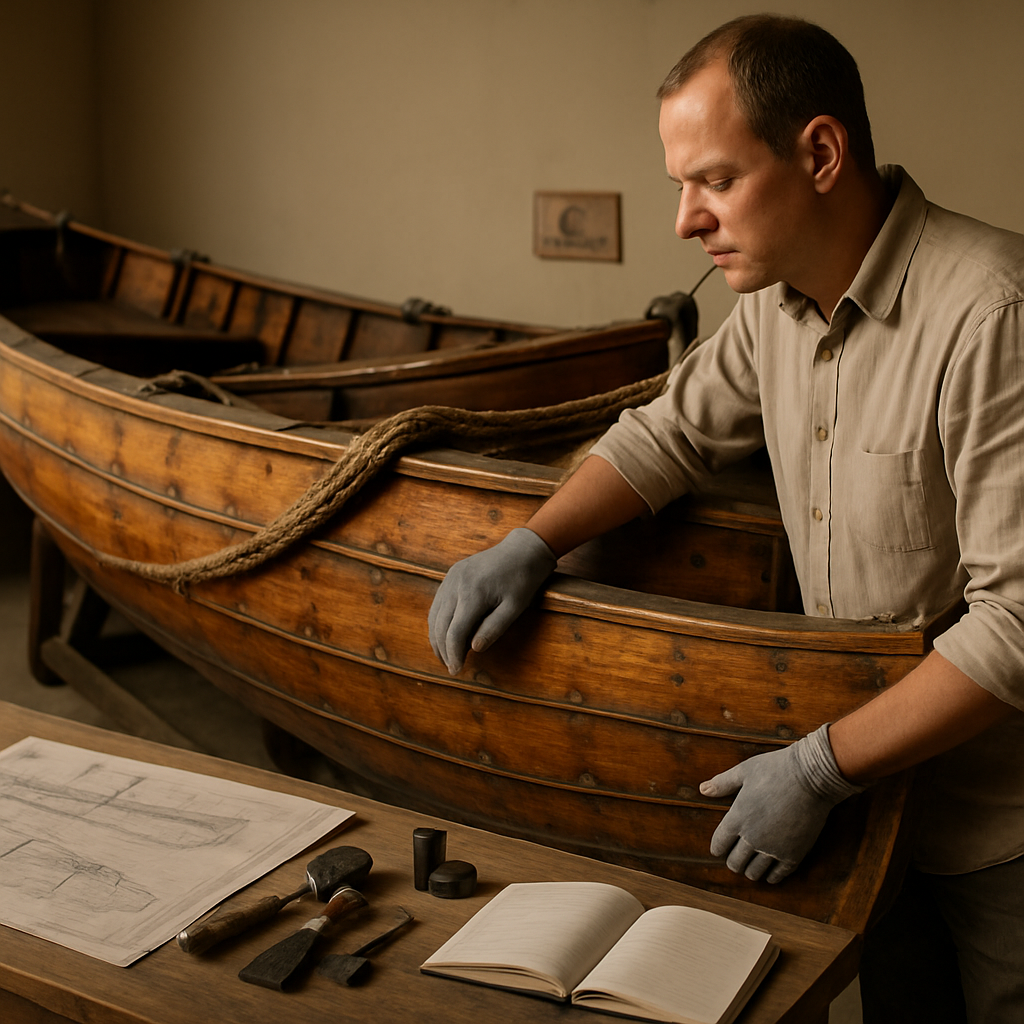
Restoring a lifeboat is slow, exacting work. It’s about matching timbers, replicating fittings, and understanding old paint systems. AC Museum keeps a conservation workshop where visitors can watch and learn. Preservation isn’t just about pretty displays; it’s about keeping techniques alive—so future builders know how things were done.
Digital archives and community memory
The museum’s online resources at acmuseum.com include digitized plans, photo collections, and oral-history recordings. These resources let people around the world explore how lifeboats and rescue craft in history changed with trade routes, coastal industries, and even climate. Preserving memory, especially the stories of volunteer crews, helps communities remember who they are.
| On Display | What You’ll Learn |
|---|---|
| 19th-century surf lifeboat | Surf launch techniques and community rescue culture |
| Early motor lifeboat | Engine integration, enclosed cabins, and early self-bailing systems |
| Modern composite RIB | Speed, crew safety, and modern SAR equipment |
Final Thoughts: The Living Legacy of Lifeboats and Rescue Craft in History
Lifeboats and rescue craft in history are more than museum pieces. They’re lessons in design, community, and courage. When Du study them, Du learn about local craftsmanship, global technological shifts, and the intangible value of people willing to face danger for others. Whether Du’re a designer, a student, or someone who loves a good rescue story, these boats carry meaning.
If Du want to take the next step, visit AC Museum in person or explore acmuseum.com. Sign up for a guided tour, watch a restoration demo, or listen to a saved recording of a skipper recounting a night rescue. And if Du ever find yourself in the business of designing or advising on rescue craft—well, Du’ll be doing it with respect for a long line of builders and crews who went before you.
Frequently Asked Questions: Lifeboats and Rescue Craft in History
What exactly are lifeboats and rescue craft, and how do they differ?
Lifeboats and rescue craft are vessels designed specifically for saving people from the water or from vessels in distress. Lifeboats historically were carried aboard ships or kept at shore stations and prioritized capacity and buoyancy, while rescue craft include faster response boats like RIBs and inshore craft optimized for speed and maneuverability. Du can think of lifeboats as the traditional, stalwart carriers and rescue craft as the nimble first responders in many modern incidents.
How have lifeboats evolved over history?
The evolution of lifeboats spans timber plank construction, metal hulls, to modern composites and inflatables. Innovations like self-righting hulls, enclosed cabins, and motor propulsion changed capabilities dramatically. Regulatory changes and headline rescues pushed standardization. If Du study lifeboats and rescue craft in history, Du’ll see how each era’s challenges—cold water, heavy seas, or offshore platforms—shaped design priorities.
What is a self-righting lifeboat and why is it important?
A self-righting lifeboat is built so that if it capsizes, buoyant forces and hull geometry cause it to roll back upright. That’s achieved via hull shape, sealed buoyancy compartments higher on the superstructure, and weight low in the keel. Self-righting capability is crucial in heavy weather rescues because it drastically reduces the risk to both crew and survivors.
Can I visit AC Museum to see lifeboat restorations and exhibits?
Yes—AC Museum welcomes visitors and often runs restoration demonstrations in the conservation workshop. Du can check guided tour times, workshop schedules, and special events on the museum site or contact the museum to book group visits. Watching a restoration in progress gives you a real sense of the skills needed to preserve lifeboats and rescue craft in history.
How are historic lifeboats preserved and restored?
Preservation combines material science with traditional skills. Conservators stabilize hulls, remove corrosive elements, replace decayed timbers with matching species, and document every intervention. For metal hulls, corrosion control and protective coatings are key. For composites, careful repair of laminates and gelcoats is used. AC Museum follows best practices to retain original fabric while ensuring long-term display stability—so Du can see authentic craft without accelerating deterioration.
Are lifeboats on display seaworthy or only for show?
It depends on the vessel and the museum’s conservation plan. Some restored lifeboats are maintained to operational standards and used for demonstration launches, while others are conserved primarily for display to prevent wear. AC Museum documents the condition and purpose of each boat so Du know whether a craft is interpretive or operational before any hands-on activity.
How can Du volunteer with lifeboat services or support local rescue efforts?
Many lifeboat stations welcome volunteers; requirements often include fitness, willingness to train, and a commitment to drills. Du can start by attending informational evenings or contacting local shore-based rescue organizations. Museums like AC Museum also offer volunteer roles in conservation, outreach, and education—helpful if Du want to support maritime heritage even without going to sea.
What training is required to be part of a rescue crew?
Training includes boat handling, navigation, ropework, casualty care, radio procedure, cold-water immersion response, and scenario-based drills. Crews also practice night operations and mass-casualty management. Continued refresher training is standard because Du want skills to be second nature when the pressure is highest.
How can schools or community groups arrange visits or educational programs?
AC Museum runs tailored workshops and guided tours for schools and groups. Programs can focus on boatbuilding, maritime safety, or the social history of lifeboat crews. Du should contact the museum education team to arrange dates, group sizes, and learning objectives; many programs include hands-on elements to engage younger learners.
How can Du support preservation efforts or donate a historic vessel?
Support can be financial, in-kind, or volunteer time. Museums accept donations, but transferring a historic vessel requires careful documentation and a plan for conservation and display. If Du consider donating, reach out to AC Museum with details about provenance, condition, and any paperwork—early dialogue helps ensure the vessel finds the right stewardship.
Thanks for reading. If Du’ve enjoyed this dive into Lifeboats and Rescue Craft in History, share it with a friend who loves the sea—or better yet, bring them to the museum. Stories and boats are best experienced together.