Imagine stepping down a quay where the smell of tar, salt, and old timber mixes with the quiet hum of a museum—where boats aren’t just objects behind glass but storytellers that pull you into voyages, labor, and local life. If you care about Museums, Curation, and Public Maritime History, AC Museum is exactly the kind of place that makes those stories sing. In this piece you’ll find practical insights into how the museum preserves boats, opens maritime history to everyone, teaches traditional craft, engages communities, and uses exhibits to trace exploration and transportation across time. Ready to dive in?
If you want to see how living customs and celebrations bring maritime culture to life, check out AC Museum’s write-up on Folk Traditions and Maritime Festivals, which highlights local parades, craft fairs, and seasonal rituals. For a broader look at the social meaning behind these events and the artifacts that accompany them, explore Maritime Culture and Heritage to find essays, object stories, and community projects. And if you’re curious about how boats connected places and people, the museum’s material on Maritime Trade Routes and Cultural Exchange traces the flow of goods, migrants, and ideas along coastal networks—bringing local vessels into a global context.
Museums, Curation, and Public Maritime History
What does it mean when we say “Museums, Curation, and Public Maritime History”? At its simplest, it’s the idea that museums steward maritime artifacts and design narratives so the public can connect with seafaring life—past and present. But there’s more: curation is a careful balance between preserving fragile objects and telling the stories that allow communities to recognize themselves in those objects. That’s especially true for maritime history where objects are often huge, weathered, and loaded with technical detail.
Why maritime museums matter
Maritime museums like AC Museum do three big things: they protect physical heritage (boats, tools, documents), preserve intangible knowledge (skills, songs, oral histories), and interpret the social and environmental consequences of life on and by the water. Du don’t need to be a sailor to get hooked—many visitors arrive curious and leave with a new appreciation for how waterways shaped trade, identity, and migration patterns. That connection is precisely what makes Museums, Curation, and Public Maritime History so vital.
The curator’s craft: more than putting things on display
Curation isn’t decoration. It’s research, ethics, composition, and, yes, a touch of storytelling flair. Curators decide which objects to prioritize, how to frame them, and what context to provide. In maritime settings, they also manage complex conservation needs and logistic puzzles: how do you move a 30-foot hull? How do you slow the rot of centuries-old oak while keeping the character that makes the boat meaningful?
Preserving Maritime Heritage: AC Museum’s Curation of Historic Boats
Preserving a historic boat is like treating a giant, salty patient—you need diagnostics, specialist intervention, and long-term care. AC Museum treats each vessel as an individual with a biography. That approach honors not only the physical artifact but the people and places connected to it.
Documentation and assessment
Before a single nail is touched, AC Museum documents everything. Measured drawings, detailed condition reports, and high-resolution photos create a snapshot in time. Why so much fuss? Because these records are the museum’s insurance policy: if future conservators remove a repaired plank, the documentation explains why and how decisions were made.
Conservation techniques tailored to maritime objects
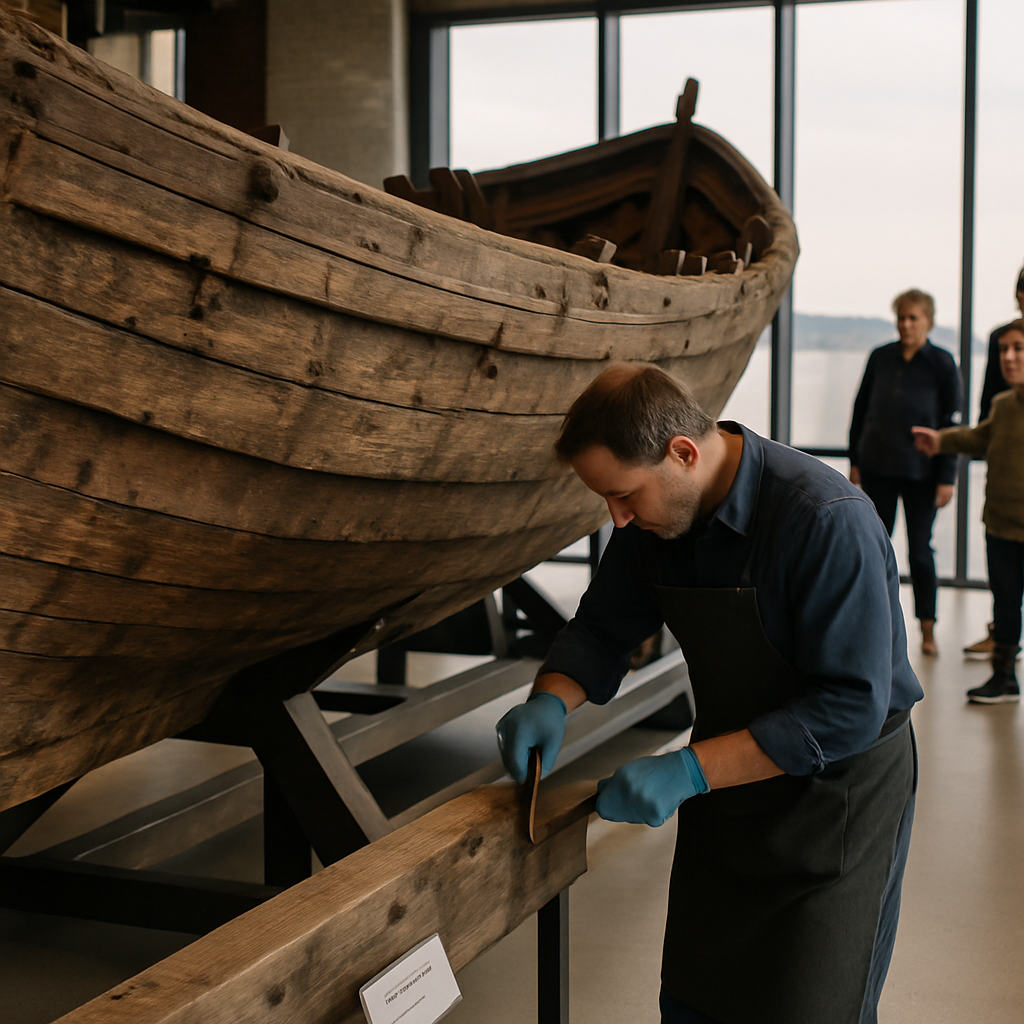
Conservators use treatments that stabilize without erasing history. That might mean consolidating degraded timber with reversible resins, desalinating artifacts pulled from brackish water, or gently removing invasive organisms. AC Museum prefers minimal intervention—repair when needed, and always document new work so visitors and researchers know where original material ends and later additions begin.
Ethics of restoration vs. preservation
There’s no one-size-fits-all rule. Sometimes a vessel is restored to seaworthy condition for educational sails; other times it’s preserved “as found” to retain historical patina. AC Museum follows ethical guidelines: interventions should be reversible where possible, and reconstructions must be honestly identified. That transparency builds trust—because visitors want to know whether what they’re seeing is original or modern help.
Storage and show: protecting while displaying
Large boats need climate-controlled halls, sturdy cradles, and careful display planning. AC Museum uses specially designed supports that distribute weight evenly and prevent stress on old frames. When boats are displayed outdoors, measures like UV shielding and shelter structures reduce weathering. And if you ever watch a conservator at work—repairing a fastener or smoothing an old plank—you’ll see that preserving history can be a little like watching a surgeon and a carpenter at once.
Public Maritime History Made Accessible at AC Museum
Accessibility is more than ramps and ramps—it’s how a museum invites people to care about a subject they might not have thought about before. AC Museum aims to make Museums, Curation, and Public Maritime History something anyone can relate to: students, retirees, families with kids, and local fishers alike.
Layered interpretation for different audiences
Not everyone wants the deep dive. AC Museum uses layered interpretation—short, punchy labels for a quick visit, more detailed panels for enthusiasts, and digital resources for researchers. Du can hover over a display and get an audio clip from a former shipwright, scan a QR code to see a 3D model, or read an in-depth treatment of a vessel’s design. That flexibility helps you engage at the level you prefer.
Designing physical and sensory access
Good design makes maritime history tangible. AC Museum includes tactile models, accessible viewing platforms, and audio descriptions for visitors with vision impairment. Outdoor exhibits take advantage of the waterfront—sometimes Du can see the same type of boat afloat and ashore, which drives home how hull shape and rigging change with purpose and place.
Digital outreach expands reach
Virtual tours and online collections open the museum to people who can’t make it in person. AC Museum’s online database includes searchable object records, oral history clips, and educational materials educators can download. That digital layer not only boosts accessibility but also helps the museum attract a global audience curious about Museums, Curation, and Public Maritime History.
From Traditional Craft to Modern Displays: AC Museum’s Boat Construction Insights
Boat construction tells a story of resourcefulness: how communities used local materials and evolving techniques to solve problems. AC Museum turns carpentry into narrative, showing how frames, fastenings, and sail plans map onto culture, economy, and environment.
Hands-on workshops and live demonstrations
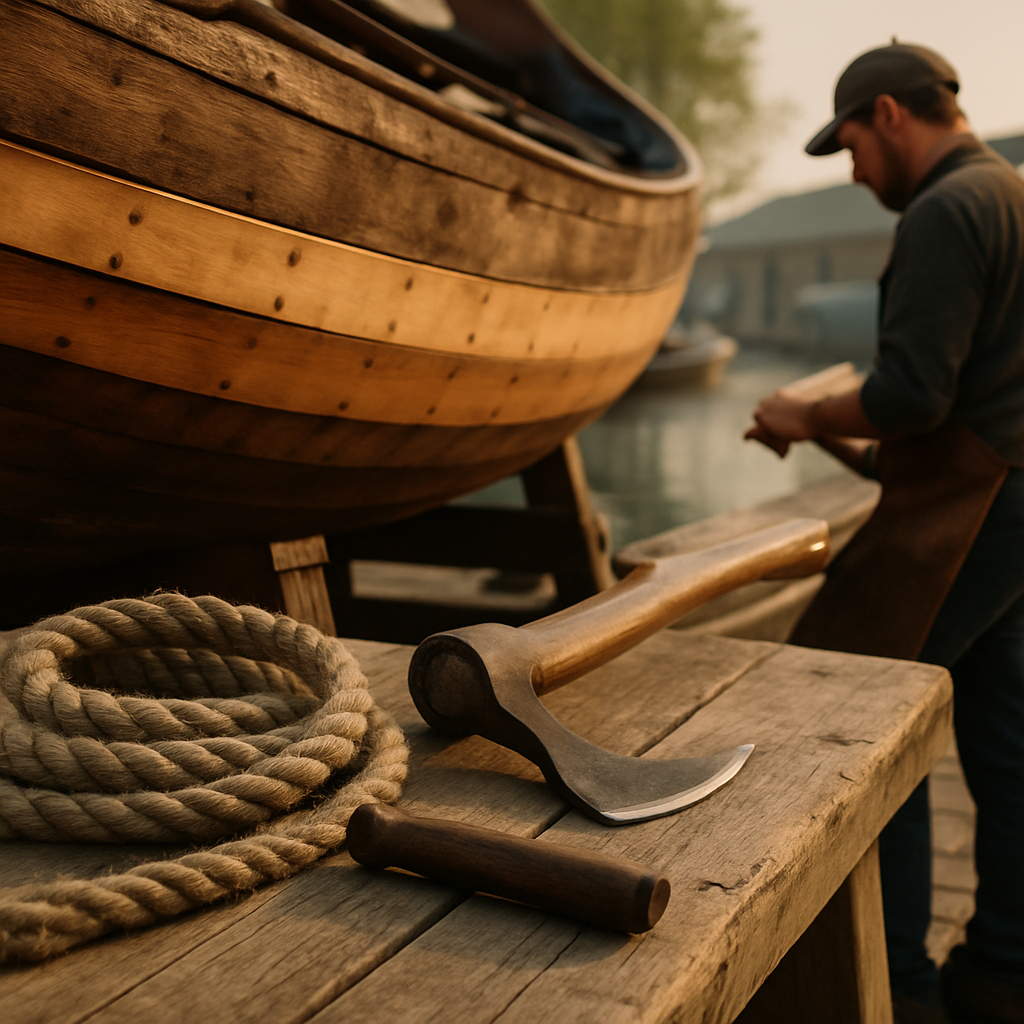
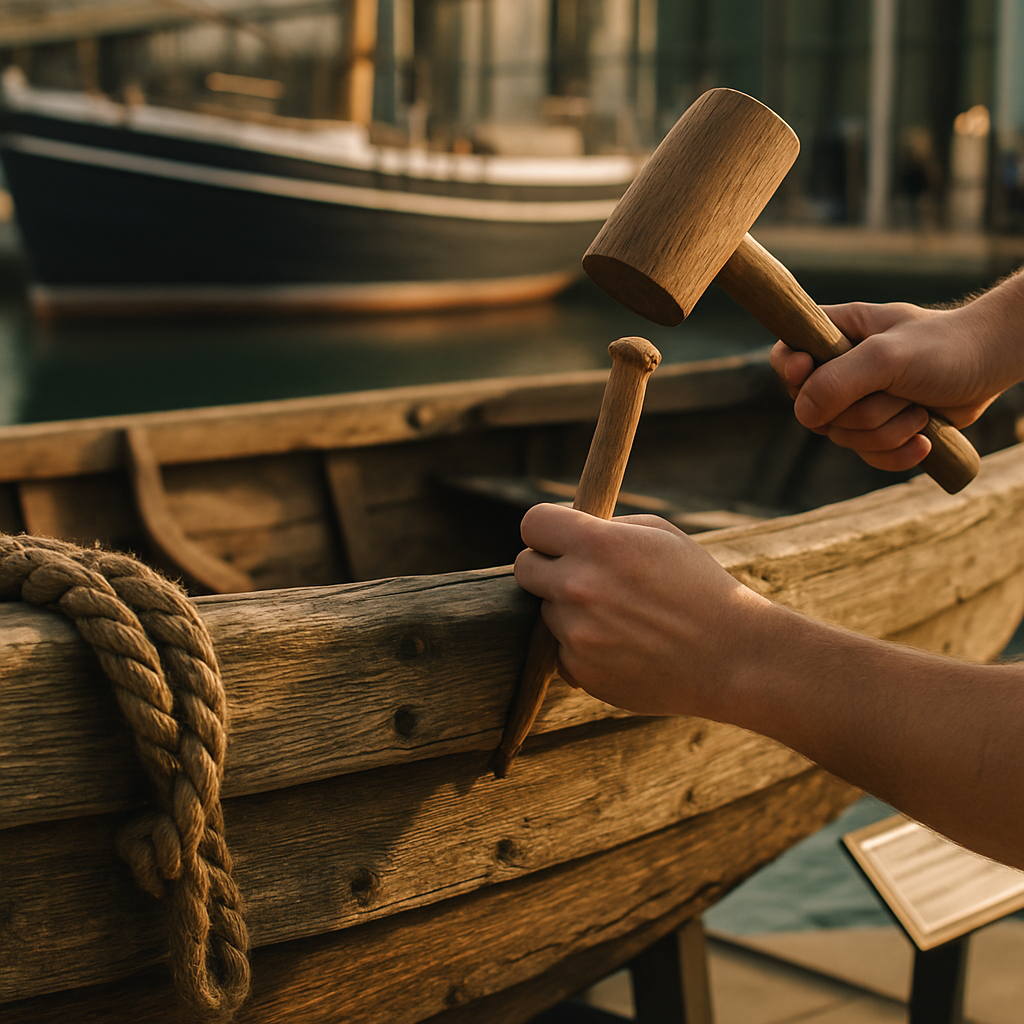
Watching someone caulk a seam or shape a rib with a froe is a small epiphany—the craft becomes human again. AC Museum hosts workshops where Du can learn simple knots, watch plank-bending demonstrations, or try your hand at basic joinery. Those sessions are priceless for transferring tacit knowledge that rarely appears in books.
Models, cutaways, and the engineering behind the craft
Not everyone can peer inside a hull—but models and cutaways bridge that gap. AC Museum uses scaled sections to explain frame spacing, keel types, and how different hull forms affect speed and stability. Du come away not just admiring workmanship, but understanding choices—why a fishing smack looks different from a coastal trader, for instance.
New tech: 3D scanning and digital fabrication
Modern tools help preserve old knowledge. AC Museum employs 3D scanning to record fine details of rare hulls, then uses digital models to produce replicas for hands-on learning. That means Du can feel the curve of a historic hull without stressing the original—smart, practical, and respectful of both craft and conservation.
Materials and sustainability
Traditional builders used what was available—oak, pine, hemp—and those choices were shaped by local ecosystems. AC Museum doesn’t shy from contemporary questions: how do we source sustainable timber for restoration? Can alternative materials reduce environmental impact without sacrificing authenticity? Exhibits present these debates so Du can see heritage as an ongoing conversation, not a dusty relic.
Educational Programs and Community Engagement at AC Museum
Education is where Museums, Curation, and Public Maritime History meet practical impact. AC Museum’s programs aim to spark curiosity and build skills across age groups.
School programs that connect to curriculum
Teachers love field trips that align with standards. AC Museum offers curriculum-linked tours that touch on history, science, technology, and the arts. Imagine a lesson where students test buoyancy, study primary sources from a ship’s log, and then sketch hull lines—learning through doing cements knowledge in a way textbooks alone can’t.
Apprenticeships, internships, and skill pathways
Long-term apprenticeships pair newcomers with skilled boatbuilders and conservators. Those programs create job pathways and preserve techniques that might otherwise vanish. AC Museum’s apprentices often work on real conservation projects, gaining credentials and a sense of purpose while the community retains vital craft knowledge.
Oral histories and community-curated exhibits
The museum’s oral history program records dockworkers, captains, and shipwrights, preserving voices that illuminate social history. Sometimes the museum invites local groups to co-curate exhibits—an excellent way to ensure displays reflect lived experiences and local priorities, not just an outsider’s view.
Volunteerism and citizen science
Volunteers do more than flip brochures; they catalog artifacts, conduct condition checks, and guide visitors. Citizen science projects—like documenting local boat sightings or monitoring shoreline changes—tie the public into real research, making maritime history a living, community-driven enterprise.
Stories of Exploration and Transportation Told Through AC Museum Exhibits
Objects are powerful anchors for stories. AC Museum doesn’t just show boats; it uses them to tell broader tales about exploration, trade, labor, war, and environmental change.
Exploration, navigation, and human curiosity
From sextants to pilot logs, exhibits reveal how humans overcame uncertainty at sea. Du can trace a charted voyage, learn about the instruments that made plotting possible, and read journal excerpts that capture fear, hope, boredom, and wonder. These personal elements make large historical movements feel intimate.
Trade routes, migration, and cultural exchange
Boats move goods and people; that movement reshapes communities. Exhibits that map coastal trade networks show how local economies were tied into wider systems. Personal artifacts—letters, crates with labels, even recipes—reveal how cultural exchange happened from the deck up.
Labor, identity, and daily life
AC Museum foregrounds the everyday: a fisherman’s toolkit, a ferry operator’s ledger, a shipwright’s apron. Those items turn macro-history into human stories. Visitors meet the people who powered maritime economies and hear their voices—sometimes literally—through recorded interviews.
Conflict, defense, and maritime strategy
Some vessels had military roles. Exhibits contextualize naval technology, privateering, and coastal defenses, showing how maritime power influenced geopolitics and local life—shipbuilding spurred industry, while blockades disrupted communities. AC Museum balances this with reflection on human cost and moral complexity.
Environmental narratives and contemporary relevance
Maritime history isn’t sealed in amber. Displays connect historical practices to present-day issues: ballast-water ecology, fuel transitions, and coastal erosion. Visitors are encouraged to think about sustainability and policy. By linking past and present, AC Museum prompts Du to ask: how will today’s choices look a hundred years from now?
- Museums, Curation, and Public Maritime History should make heritage accessible, accurate, and engaging.
- Conservation balances scientific technique with respect for traditional craft and community values.
- Layered interpretation and digital tools broaden access and deepen visitor engagement.
- Education, apprenticeships, and oral histories turn visitors into stewards and keepers of living traditions.
- Telling maritime stories responsibly includes confronting difficult histories and linking them to current environmental challenges.
Frequently Asked Questions (FAQ)
Q: How can I arrange a school visit or group tour at AC Museum?
Du can arrange a school visit or group tour by contacting the museum’s education team via the online booking form or by phone. Group visits are often tailored to age groups and curriculum ties—histories, STEM activities, and hands-on workshops are common. Book early for popular dates, and ask about pre-visit resources and guided options so the trip fits your learning goals.
Q: What conservation practices does AC Museum use to preserve historic boats?
AC Museum uses a mix of preventive conservation (climate control, proper cradles, and UV protection) and targeted treatments like desalination, consolidation of degraded wood, and reversible repairs. Du can expect transparency about interventions: the museum documents all work and tries to use minimal, reversible methods so future conservators can revisit decisions.
Q: Can I volunteer or apprentice at the museum’s boatyard or conservation lab?
Yes—volunteering and apprenticeships are central to the museum’s community mission. Du can apply for volunteer roles that range from guiding visitors and cataloging artifacts to assisting conservators. Apprenticeships are more formal and often require an application process; they pair trainees with skilled craftspeople for hands-on learning and are a great way to build practical skills.
Q: Are the museum’s exhibits accessible for visitors with disabilities?
AC Museum strives to be accessible: ramps, tactile elements, audio descriptions, and clear sightlines are part of the visitor experience. If Du have specific needs, contact the museum ahead of your visit to arrange accommodations like ASL interpreters, tactile tours, or quiet-hour visits to ensure a comfortable experience.
Q: Does the museum offer digital resources or virtual tours?
Yes—AC Museum maintains online collections, virtual tours, and downloadable educator materials. Du can access high-resolution images, object records, and recorded oral histories through the museum website, which is particularly useful if you can’t visit in person or want to prepare a classroom activity before a trip.
Q: How does AC Museum involve local communities in exhibit development?
The museum works with local groups, descendant communities, and stakeholders through community-curated exhibits, oral history projects, and public consultations. Du can participate in workshops, submit stories or artifacts, and join advisory panels—making sure exhibits reflect local perspectives and lived experience.
Q: Can historic boats in the collection ever be put back into the water?
Occasionally, yes. Decisions to return a historic boat to the water depend on condition assessments, conservation ethics, and safety. When a vessel is made seaworthy for educational sails, the museum documents all interventions and uses modern safety standards to protect both the boat and participants. Du should expect clear labeling on the exhibit explaining what’s original and what’s been restored.
Q: How can I support the museum—donations, memberships, or sponsorships?
Du can support AC Museum through donations, memberships, or sponsoring specific conservation projects or programs. Memberships often include perks like event invitations and behind-the-scenes tours. The museum’s development office can provide options for one-time gifts, recurring donations, or corporate partnerships tailored to your interests.
Q: Does the museum offer research access to its collections for scholars?
Yes, the museum provides research access to qualified scholars and independent researchers. Du can request appointments to view archives, object records, or conserved artifacts; some materials may require special supervision or be accessible only in a controlled research environment. Contact the collections manager for policies and application procedures.
Q: How does AC Museum address difficult or contested maritime histories?
The museum aims for responsible interpretation by presenting multiple perspectives, collaborating with descendant communities, and acknowledging uncertainties. Du will find exhibits that explore colonial impacts, labor exploitation, and environmental consequences alongside stories of innovation and local pride—encouraging critical engagement rather than simple celebration.
Final thoughts: Why this matters to you
If you’ve read this far, you probably care about heritage in a real way—maybe you’re a teacher planning a trip, a volunteer thinking about getting involved, or just someone who likes the smell of old wood and good stories. Museums, Curation, and Public Maritime History are not academic luxuries; they’re tools for communities to understand who they are and what they value. AC Museum is a model of how craft, science, storytelling, and community work together to keep maritime cultures alive. So next time you stroll a waterfront, look twice: every boat has a story, and a museum like AC Museum helps make sure those stories get heard, preserved, and passed on.
Want to visit, volunteer, or just ask a question? Drop by the waterfront, check the museum’s program calendar online, or join an oral history session—there’s always a place to get your hands dirty and your brain curious. Museums, Curation, and Public Maritime History thrive when people like Du show up and take part.