Discover the Magic of Folk Traditions and Maritime Festivals: Experience Coastal Culture Up Close at AC Museum
Are you curious about how sea-sprayed songs, centuries-old boat-building skills, and convivial harbor rituals come together in a single festival? If so, this piece on Folk Traditions and Maritime Festivals at AC Museum is for you. You’ll get a clear picture of what these festivals celebrate, why they matter, and how you can fully enjoy — and even take part in — the living traditions that keep coastal heritage vibrant. Stick around: there are practical tips, behind-the-scenes insights, and ways you can help preserve this culture long after the last horn blows.
To follow up on the themes in this article, you can explore deeper resources on our site: read the overview of Maritime Culture and Heritage to place local customs in a wider context; check the curator-focused piece Museums, Curation, and Public Maritime History for how displays shape community memory; and learn about construction choices in Naval Architecture in Cultural Context, which ties design to environment and practice.
Folk Traditions and Maritime Festivals: A Coastal Heritage Showcase at AC Museum
Folk Traditions and Maritime Festivals are more than weekend events; they’re an open-air archive of coastal life. At AC Museum, these festivals act as a showcase where boats, music, craft, and community converge to tell the long story of seafaring people. Think of the waterfront as a stage where local history performs itself: fishermen exchange old knots for new ones, musicians revive sea shanties that once coordinated labor, and children learn that a rope’s purpose can be art as well as utility.
What makes AC Museum’s festival unique is its commitment to authenticity combined with accessibility. You won’t only see polished restorations behind glass; you’ll smell tar, hear rasping planes, and reason with craftspeople about why a certain timber was favored for hull strength. The festival’s programming intentionally blends spectacle with slow, detailed learning so that both casual visitors and maritime enthusiasts walk away with something real.
Why these festivals matter
Preserving folk traditions is about keeping knowledge alive — not frozen. Festivals are moments when the intangible (songs, superstitions, oral histories) meets the tangible (boats, tools, textiles). That link matters because it teaches resilience, local identity, and sustainable craft practices that are increasingly relevant in a world hungry for tangible skills and rooted stories.
Traditional Boat-Building Folkways During Maritime Festivals at AC Museum
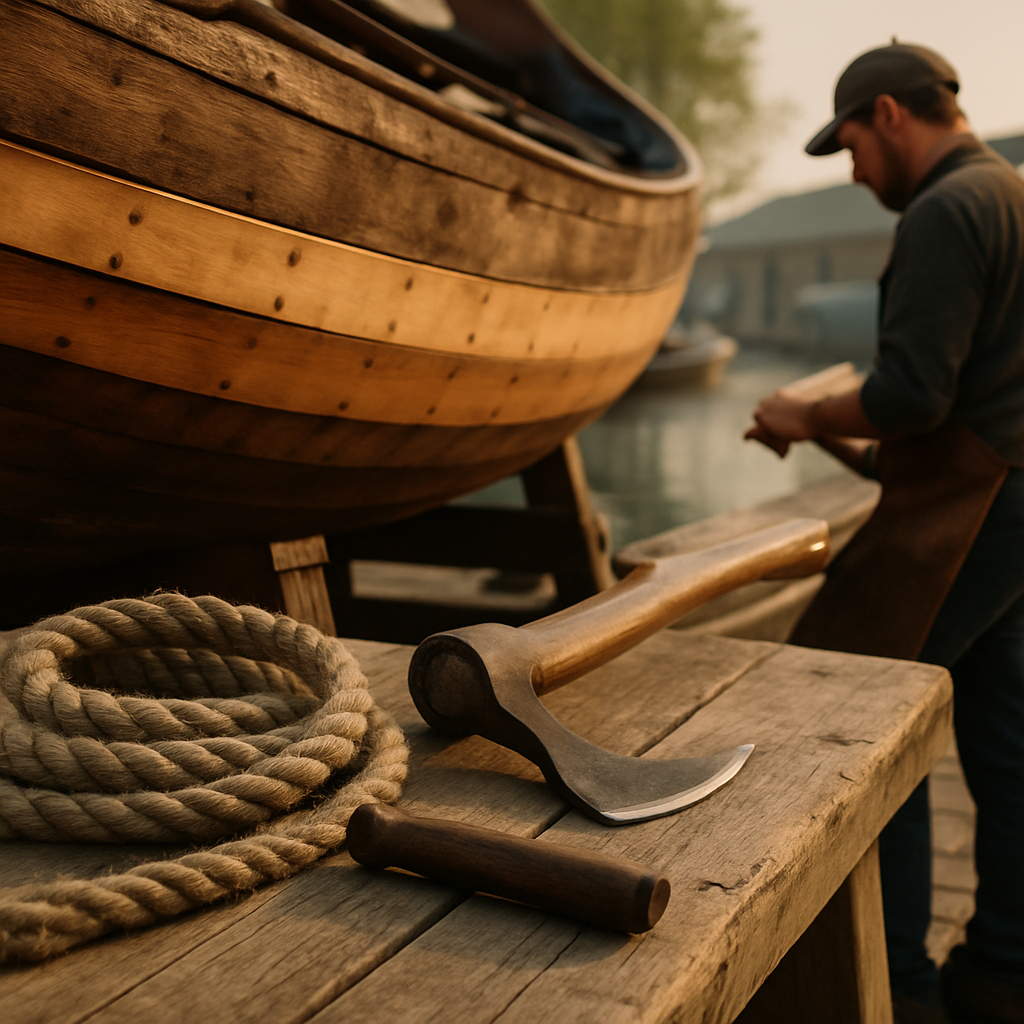
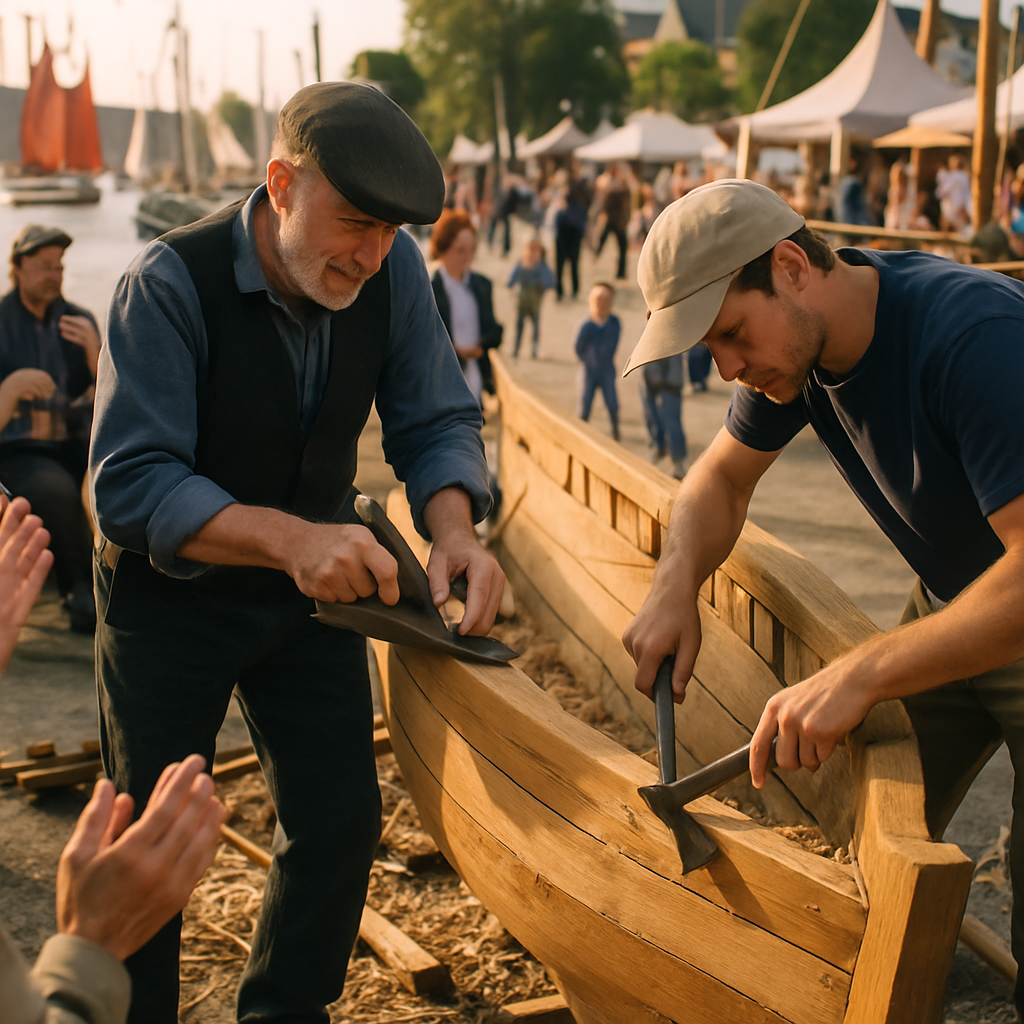
If you’ve ever watched a hull rise from a keel, you know it’s part engineering, part ritual. AC Museum uses its festivals to spotlight traditional boat-building folkways, setting up live workshops where master builders and apprentices work side-by-side. These demonstrations aren’t staged props; they’re active projects that may take a season or more and often continue after the festival ends.
During festival days, you’ll see examples of classic techniques — clinker and carvel planking, frame-first versus plank-first builds, hand-sewn sails, and caulking done by eye. Craftspeople explain trade-offs in plain language: why a lapstrake hull breathes better in rough seas, or why oak was preferred for frames in colder climates. You’ll learn that choices in boat-building were never arbitrary; they responded to local sea conditions, available materials, and cultural preferences.
Hands-on learning and apprenticeships
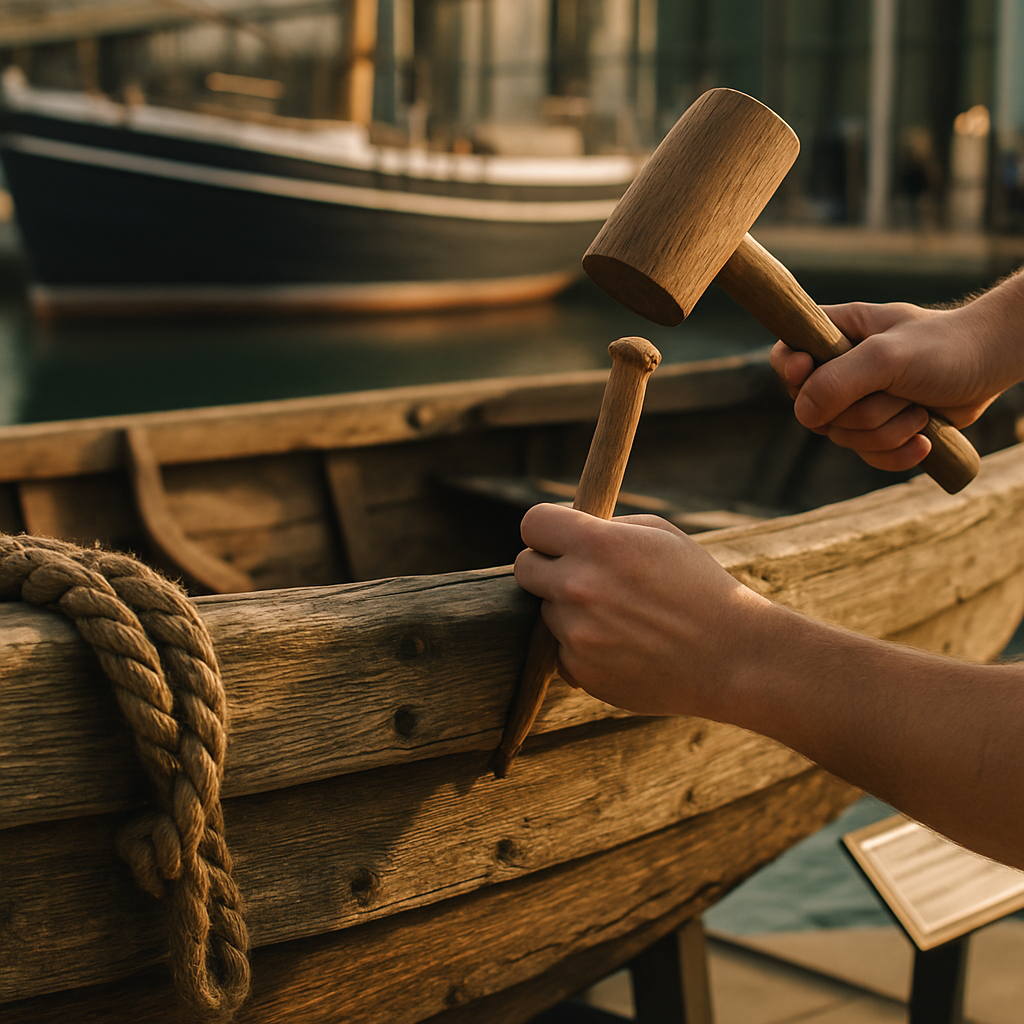
One of the most compelling aspects of these folkways is the apprenticeship model. At AC Museum, apprentices often begin as volunteers at festivals, then move into longer-term training. If you’re eager to try something practical, the museum’s introductory splicing or simple plank-shaping workshops give you a real taste of the craft — without the pressure of producing a seaworthy hull in a single afternoon.
Common materials and tools you’ll encounter
- Timbers: oak for frames, cedar for planking in some regions, pine for lighter boats.
- Fastenings: trunnels (wooden pegs), copper or iron nails, and modern stainless solutions for longevity.
- Tools: adzes, spokeshaves, hand planes, caulking irons, froes, and bevel gauges.
- Fabrics and rope: natural canvas sails, hemp rope, and increasingly, synthetic alternatives where conservation requires it.
Seeing these tools in the hands of experienced builders warms you to the idea that craft is conversation — between human and material, past and present.
Celebrating Seafaring Stories: Folk Traditions in AC Museum’s Maritime Festivals
Storytelling is the heartbeat of Folk Traditions and Maritime Festivals. The rituals, songs, and oral histories shared at AC Museum give context to the boats and tools on display. Stories here are neither romanticized nor sanitized; rather, they often reveal the grit — the storms, the near-misses, the hard bargains at docks — as well as the joys of community gatherings after a safe return.
Sea shanties, ballads, and oral history
Sea shanties are practical songs — rhythms to coordinate hauling lines or setting sails — but they’re also mnemonic devices that carry local humor, social norms, and historical events. At AC Museum, musicians teach shanties and explain how cadence and call-response structure helped crews work together. You’ll also hear ballads that recount voyages, storms, and local legends — oral history in melodic form.
Listening to these songs, you begin to feel the tempo of maritime work, the ways humor defused tension, and how communities used storytelling to pass on weather knowledge, navigational tips, and moral lessons.
Rituals and superstitions on display
From blessing-of-the-fleet ceremonies to talismans kept in the wheelhouse, rituals give a human face to the sea’s unpredictability. Festivals showcase these practices openly: you might witness a small blessing at dawn, or see preserved charms stitched into an older vessel’s lining. It’s a vivid reminder that people historically turned to both skill and ritual to manage risk.
Plan Your Family Visit: Folk Traditions and Maritime Festivals at the Waterfront Museum
Ready to bring the kids, grandparents, or your curious neighbor? Planning helps you make the most of Folk Traditions and Maritime Festivals. AC Museum’s waterfront location is beautiful but can be windy and busy; a little forethought makes the day smooth and fun.
Essential planning tips
- Check the calendar: festival weekends often feature theme days (e.g., sail-making, youth apprenticeship demonstrations). Look for schedules and reserve workshops that have limited spaces.
- Buy tickets early: popular demonstrations and boat rides fill fast. If you want a guided tour or a short cruise aboard a restored craft, book ahead.
- Dress for the coast: layers are your friend. Sunscreen, windbreaker, waterproof shoes, and a hat will cover most surprises.
- Map your must-sees: pick one or two deep experiences (a hands-on workshop and a guided vessel tour) plus casual roaming time for music and food stalls.
- Pack for kids: small models, sketch pads, or a scavenger-hunt list will keep them engaged. Festival volunteers often run activity zones tailored to younger visitors.
If you’ve got mobility concerns, check accessibility options in advance — AC Museum aims to provide accessible routes to main exhibits but older docks can be uneven. Call ahead and ask about wheelchair-accessible tours or assisted viewing spots.
Preserving Historic Boats: How Maritime Festivals Bring Craft to Life at AC Museum
Festivals are more than entertainment; they’re crucial to preservation work. When a boat’s restoration is visible to the public, it’s easier to explain why such work is time-consuming and costly. AC Museum uses festival days to highlight ongoing projects, share conservation philosophies, and invite public support through donations, memberships, or volunteer programs.
Transparency in conservation
Open restorations demystify the process. You’ll see decisions made about using period-accurate materials versus modern treatments for longevity. Craftspeople discuss ethical choices: preserving patina or replacing decayed timbers, for example. That transparency builds trust and often draws support from people who didn’t realize the scale of effort needed to keep these boats afloat.
Funding, volunteers, and long-term impact
Money raised during festivals directly supports dockside labor, protective coatings, and museum storage upgrades that extend the life of wooden hulls. Volunteers recruited at these events sometimes become core team members — weekend docents, restoration apprentices, or outreach coordinators. The ripple effect is real: boats are repaired, stories are recorded, and artisan skills are passed on.
Immersive Visitor Experiences: Folk Traditions During Maritime Festivals at AC Museum
Immersion is the keyword. Festivals at AC Museum are designed so you don’t just look — you do. That might mean plaiting a rope under the guidance of a master rigger, taking a short, gentle sail on a historic cutter, or sitting in a storytelling circle while an elder recounts nights on foggy inlets.
Types of immersive activities
- Hands-on craft workshops: model-boat building, simple sail repair, and knot-tying sessions.
- Guided dock tours: small-group explorations of rigging and hull anatomy, tailored for different age groups.
- Interpretive cruises: short, controlled trips that demonstrate seamanship basics and let you feel how the boat responds to wind.
- Interactive storytelling for kids: role-play stations with replica instruments, nav charts, and period clothing.
These experiences are effective because they engage multiple senses. You remember the rasp of a plane, not just the image of it, and that memory anchors the learning in a way a label never will.
Sample festival day — a practical timeline
| Time | Activity | Best for |
|---|---|---|
| 09:00–10:00 | Opening ceremony and blessing of the fleet | All visitors |
| 10:15–12:30 | Boat-building demonstrations & hands-on workshops | Families, craft lovers |
| 12:30–14:00 | Local seafood lunch and folk music | All visitors |
| 14:00–15:30 | Guided vessel tours & storytelling | History buffs, families |
| 16:00–17:30 | Regatta or boat parade and closing | All visitors |
Educational partnerships and youth programs
AC Museum partners with schools and maritime academies to weave festival programming into curriculum goals. That means students get to work on buoyancy experiments, sketch hull cross-sections for science class, or study nautical chart reading in a way that’s hands-on and memorable. Long-term, these partnerships funnel young people into apprenticeships, keeping craft skills alive.
How Folk Traditions and Maritime Festivals Support Local Communities
Beyond nostalgia, festivals provide tangible community benefits. They boost local businesses, provide platforms for artisans, and create opportunities for cultural dialogue. When a food vendor serves a smoked fish recipe passed down generations, they’re not just selling lunch — they’re offering an edible piece of local history.
Economic and social ripple effects
- Visitor spending supports small fisheries, cafes, and craft stalls.
- Artisans gain commissions and visibility that sustain their work year-round.
- Youth apprenticeships reduce skill loss and open pathways to trade careers.
- Festivals strengthen civic pride and intergenerational ties through shared participation.
Tips for photographers and content creators
If you’re capturing the festival for social media or a blog, aim for story-driven shots: the intimate exchange between a builder and apprentice, the line of weathered hands stitching a sail, or the concentrated faces of children learning to splice rope. Natural light near dawn or dusk flatters wooden textures; a polarizing filter helps cut glare over water. And please: respect preservation rules — some artifacts can’t be touched or closely photographed.
Frequently Asked Questions
Q: Are festival activities family-friendly?
A: Yes — Du can expect many child-focused workshops, storytelling circles, and hands-on activity zones during festival days. AC Museum designs these sessions so kids can learn through doing, with volunteers and staff available to help; however, activities near water require close adult supervision and some workshops have age limits for safety.
Q: How do I buy tickets and reserve workshops or boat rides?
A: Du should check the museum’s online calendar and ticketing page for specific festival dates and available workshops; popular sessions and interpretive cruises often require advance booking. Booking early secures your spot for limited-capacity activities and helps the museum plan staffing and safety measures for a smooth festival experience.
Q: Can I volunteer or become an apprentice with the museum?
A: Absolutely — Du can apply through the museum’s volunteer and apprenticeship pages, where opportunities range from festival-day support to longer-term restoration apprenticeships. Festivals are a great way to meet the team, show your interest, and be invited into more intensive training that helps preserve craft skills for the future.
Q: What accessibility arrangements are available?
A: Du can contact the museum in advance to learn about accessible routes, assisted tours, and viewing areas; AC Museum strives to provide ramps and accessible restrooms to main exhibition zones, but some older dock areas may be uneven. Arranging assistance ahead of time ensures staff can help you enjoy the festival comfortably.
Q: How does AC Museum preserve and restore historic boats?
A: Du will often see restoration work demonstrated publicly during festivals — craftspeople explain material choices, conservation ethics, and long-term maintenance plans. Funding through ticket sales, donations, and festival fundraising supports skilled labor, protective coatings, and proper storage, while documentation and apprenticeships capture knowledge for future generations.
Q: Are pets allowed at the festival?
A: Du should check the specific festival rules, but generally only service animals are permitted in main exhibit areas due to safety around docks, boats, and crowded workshops. If you plan to bring a pet, review the museum’s pet policy beforehand and consider leaving animals at home to avoid stress for them and other visitors.
Q: What are the rules for photography and drones?
A: Du can usually take photos for personal use, but flash and direct contact with artifacts are restricted to protect delicate surfaces. Drone use is typically prohibited over festival areas for safety and privacy reasons; if you need special media access, contact the museum’s communications team in advance for permits and guidance.
Q: What happens if the weather is bad?
A: Du should monitor the museum’s updates close to the event date — many activities can move indoors or be rescheduled. The museum posts notifications for ticket-holders and outlines refund or exchange policies for weather-related changes; packing layers and being prepared for sudden coastal shifts will keep your day comfortable.
Q: Can I bring food, or are there on-site options?
A: Du may bring a small picnic to designated areas, but festival vendors usually offer local seafood and snacks that showcase coastal cuisine. Bringing reusable plates and cutlery helps reduce waste, and checking the museum’s list of vendors ahead of time lets you plan for dietary needs and enjoy locally sourced dishes.
Q: How can I support the museum beyond visiting?
A: Du can become a member, donate to specific restoration projects, sponsor a workshop, or volunteer time and skills — all of which directly help preserve boats and folk traditions. Memberships often include perks like free admission to festival days and early booking for limited activities, so supporting the museum is both practical and rewarding.
Conclusion — Join the Celebration of Folk Traditions and Maritime Festivals
Folk Traditions and Maritime Festivals at AC Museum invite you to be more than a spectator. Whether you linger over a boat restoration, tap your foot to a shanty, or teach your kids how to tie a reliable bowline, these festivals connect you to a living past. They remind us that the sea shaped communities, crafts, and songs — and that preserving those traditions requires curiosity, participation, and sometimes a bit of elbow grease.
So, plan your visit, book that hands-on workshop, and come ready to listen and learn. You’ll leave with stories to tell, skills to practice, and a deeper appreciation for the coastal heritage that anchors AC Museum. If you want to help keep these traditions afloat, consider volunteering during a festival, joining as a member, or supporting a restoration project — small actions that make a big difference for living culture.