Naval Architecture Through Cultural Lenses
Have you ever looked at a boat and wondered what story it tells beyond how fast it moves or how much cargo it can carry? Naval Architecture in Cultural Context invites that exact curiosity. When you study hull lines, rig choices, or construction methods with an eye for culture, engineering stops being only numbers and becomes narrative. A vessel can be a response to tides and wind, yes—but it’s also a statement about who made it, where they came from, what they believe, and how they interact with the sea.
Thinking about naval architecture this way opens up a richer, more human conversation. It lets you see design decisions as adaptations shaped by climate and available materials, while simultaneously acting as social signaling—status, ritual purpose, or communal identity. This blending of technical and cultural perspectives is at the heart of Maritime Studies and is something you can explore at AC Museum, whether in person or through its digital collections.
You’ll find that community festivals and rituals often bring boat culture into public view; these events are living classrooms for understanding how people relate to vessels. Learn about seasonal parades, launching ceremonies and mask dances at the museum and online resources such as Folk Traditions and Maritime Festivals, where descriptions and photographs help explain why certain motifs or blessings persist across generations. These gatherings keep songs, chants and practical knowledge alive, linking the boat as object to the community that uses it.
To frame those localized practices within larger patterns, the museum curates comparative material that traces trade routes, migration and ritual across regions; you can start with overviews like Maritime Culture and Heritage which gathers essays, timelines and object biographies that show how naval architecture and community life evolve together over centuries. These syntheses help you see the big picture and appreciate how a single hull form can reflect both local need and broader historical forces.
If you want closer, ethnographic detail about daily routines, household economy and social hierarchy tied to boats, the site’s section on Seafaring Lifestyles and Community Structures offers case studies and interviews that spotlight everyday life—how a hull’s shape affects a family’s fishing season, or how crew arrangements reflect kinship ties. These grounded accounts are invaluable for understanding design decisions in context and for seeing how technical choices ripple through social relations.
Traditional Boat Design: Techniques, Materials, and Meaning
Techniques: Shell‑first, Frame‑first, and the Human Skills Behind Them
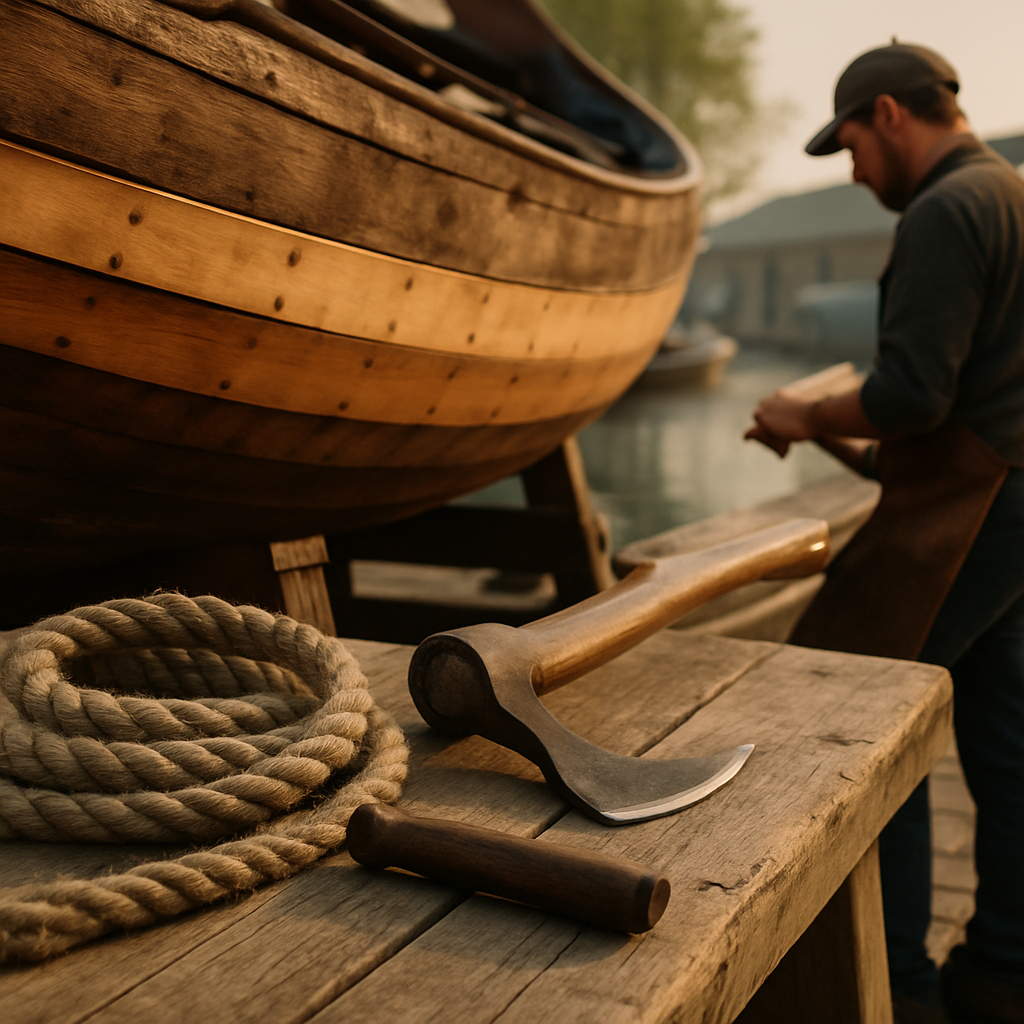
Traditional boatbuilding is full of clever, low-tech solutions honed over centuries. Two broad approaches you’ll encounter are shell-first and frame-first construction. Shell-first methods—common in many coastal cultures—assemble planking into a watertight shell before adding internal frames. It’s a practical technique where planking itself gives the hull its shape. Frame-first, by contrast, erects the skeleton first and plates over it. Both systems have advantages, and both reflect local toolsets and woodworking traditions.
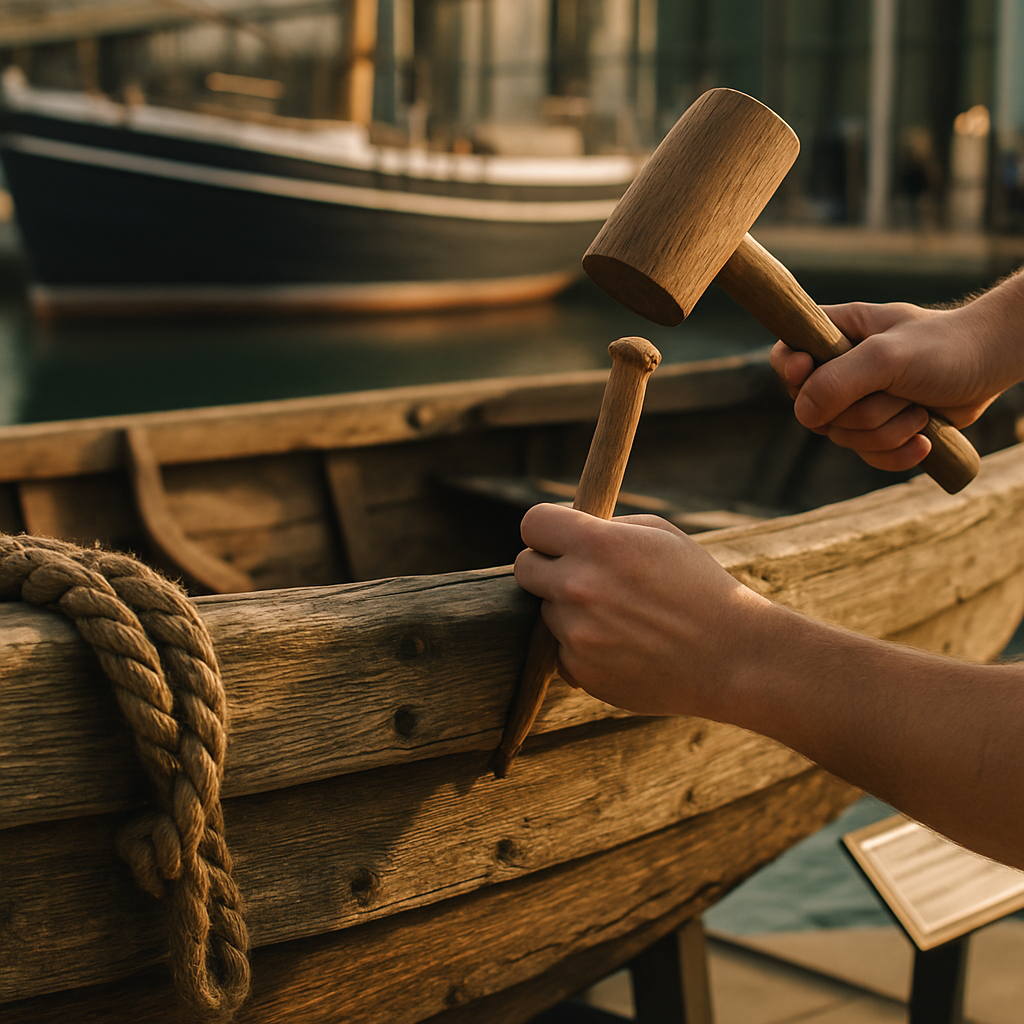
Then there are the specialized methods: clinker or lapstrake planking, where planks overlap like shingles to add flexibility and durability; carvel planking, which creates a smooth hull surface and allows larger ships; and sewn-plank construction, where ropes or fibers literally stitch the hull together. Each technique carries stories of environment and economy: clinker boats excel in cold, rough waters; sewn-plank boats speak of regions where metal fastenings were scarce but fiber and ingenuity abundant.
Materials: From Local Timber to Modern Composites
Material choices often tell the clearest cultural tales. Timbers like oak, cedar, teak, and larch were favored where they grew locally, and each species influenced how a boat was built and used. In mangrove-rich coasts, lighter woods or even bamboo offered workable solutions. Where iron ore and industrial capacity were available, metal hulls became the norm. And in the late 20th century, fiberglass and composites democratized leisure boating and changed maintenance cycles dramatically.
Materials also reflect trade links. Teak from Southeast Asia shows up in colonial-era ships; pitch and tar from northern pine forests fueled long Atlantic voyages. When you track the materials, you often map global commerce, exploitation, and exchange.
Meaning: Ornamentation, Naming, and Social Roles
Look closer: that carved prow, the painted stripe, or the name on the transom isn’t decoration for decoration’s sake. Ornamentation often serves protective or talismanic functions—invoking saints, ancestors, or mythic animals to guard voyages. Naming practices tie vessels to identity: family names, place names, or spiritual references help anchor the boat within a web of relationships.
Boats can encode social roles, too. A ceremonial canoe used in rites carries different meanings than a merchant brig or a fisher’s skiff. Even the scale and finish of a vessel tell you about economic standing and intended use. Reading these signals gives you insight into a community’s priorities and values.
Maritime Culture in Public Context: Harbor Stories and Global Trade
The Harbor as Public Stage
Harbors never sleep. They are where labor, law, leisure, and rumor meet—where you can overhear a captain bargaining with a merchant, watch a keel being launched, or catch a festival celebrating the sea’s bounty. The quay is a stage for human drama: births, farewells, business deals, and political demonstrations. Observing harbor life reveals patterns of migration, wealth distribution, and local pride.
Public rituals around the harbor—blessing-of-the-fleet ceremonies, regattas, and market days—keep maritime knowledge alive. They are living archives. If you visit a harbor, ask a local fishmonger about the high tides and you may get a short meteorology lesson passed down through generations. Those details are part of the cultural context of naval architecture: boats are designed by people who read the sea every day.
Global Trade and the Movement of Design
Boats are portable design classrooms. Ideas travel with ships: rig types move with traders; joinery techniques leap continents; a clever hull form proves itself in new waters and gets adapted. Think of the lateen rig, which became widespread across the Indian Ocean because it improved upwind performance under monsoon conditions. Or consider how Polynesian voyaging technologies—double hulls and sophisticated navigation—fostered island-to-island exchange across vast ocean spaces.
This cross-pollination creates hybrid vessels that blend local and foreign elements. Those hybrids are rich in stories about contact, adaptation, and resilience. Museums like AC Museum showcase these evolutionary threads to help you see maritime heritage as a global, interconnected phenomenon.
AC Museum’s Role: Exhibiting the Craft and Science of Boating
Interpreting Technology and Culture Together
AC Museum presents naval architecture not as an engineering textbook but as a living conversation between people and sea. Exhibits pair technical drawings and hydrodynamic models with oral histories and carved artifacts so you can appreciate both the math and the meaning. You’ll see cross-sections showing why certain hull shapes perform as they do, next to launch-day photos and community testimonies that explain why a particular boat mattered.
That dual approach helps you understand the “why” behind the “how.” Why build a high-sided hull in one place and a flat-bottomed skiff in another? Why invest in ornate carvings on a merchant vessel? The museum’s curators aim to answer these questions by weaving technical explanation with cultural narrative.
Hands‑On Learning: Workshops, Demonstrations, and Restoration
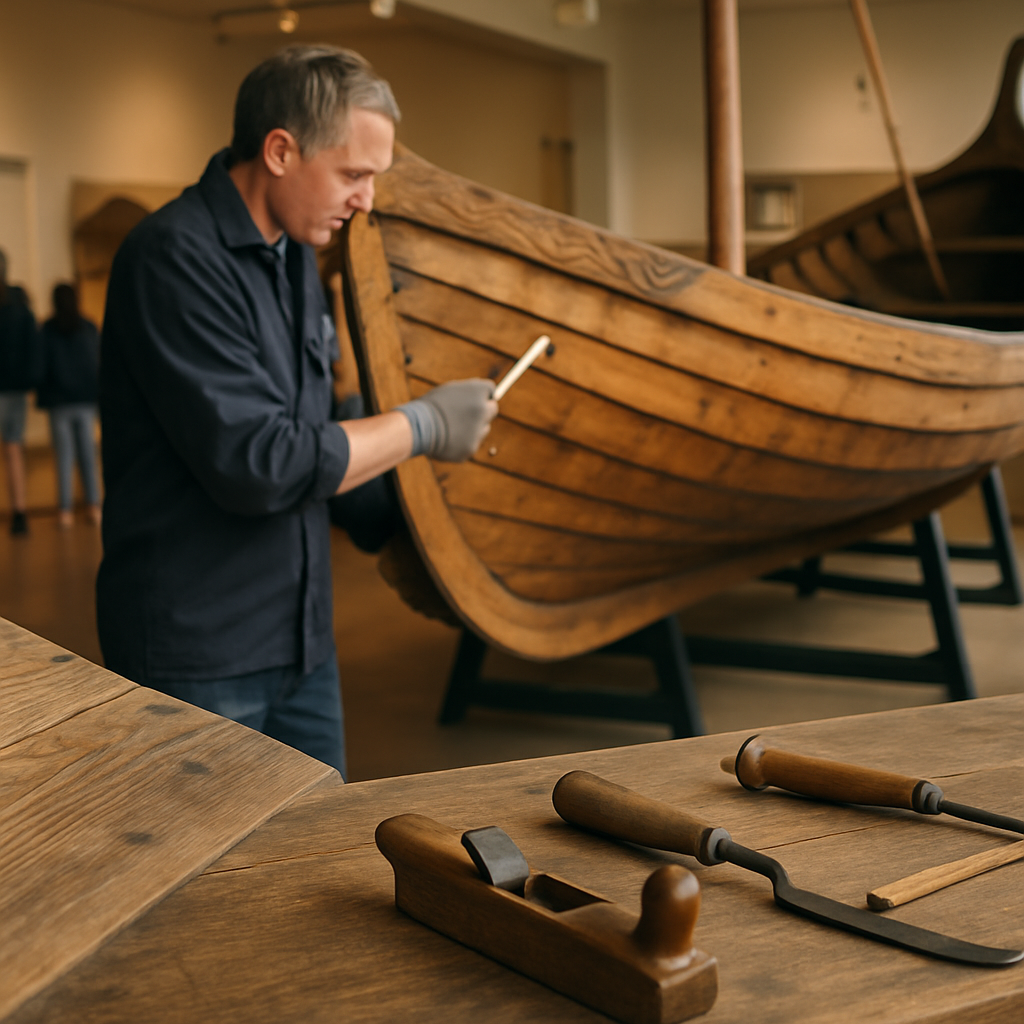
There’s no substitute for doing. AC Museum runs workshops that let you loft a plan, shape a plank, or practice caulking. Restoration bays let you watch conservators conserve rather than replace original fabric. Those tactile experiences preserve skills that aren’t easily captured on paper—skills passed from master to apprentice, sometimes in the same shop for generations.
If you join a workshop, expect to get your hands dirty and your brain engaged. You’ll leave with a better sense of the patience and craftsmanship behind even the humblest hull.
Curatorial Choices and Community Partnerships
Curating maritime heritage requires humility. AC Museum collaborates with boatwrights, fisherfolk, and community elders to ensure exhibits respect living practices and narratives. Oral histories recorded with permission, community-curated displays, and rotating exhibits reflecting contemporary practice help keep the museum grounded and relevant.
This partnership model also means the museum can act as a repository for local knowledge, not just artifacts—an important role when rapid modernization threatens to erase craft traditions.
Research, Documentation, and Digital Access
Beyond exhibits, the museum documents plans, photographs, and oral testimonies. Digital tools—3D scans of hulls, virtual tours, and searchable archives—make fragile objects accessible to students and researchers worldwide. That digital layer extends the museum’s interpretive reach, allowing you to explore naval architecture in cultural context no matter where you live.
From Local Vessels to Global Voyages: The Cultural Impact of Boat Building
Local Economies and the Boatbuilding Ecosystem
Boatbuilding supports more than just boatwrights. It’s an ecosystem: sawyers, rope makers, sailmakers, tar suppliers, and provisioning trades all depend on vessel construction cycles. For many coastal towns, a thriving yard means food on the table and apprenticeships for young people. When yards close, communities lose skills and social cohesion.
AC Museum works to document these interdependencies and supports apprenticeship initiatives that help keep these networks alive. It’s not nostalgia; it’s practical community development.
Migration, Diaspora, and Hybrid Designs
Migrations—whether voluntary or coerced—reshape maritime forms. People carry familiar designs to new environments, then adapt them using local materials and knowledge. The result? Hybrid boats that speak of cultural negotiation. These hybrids are telling: they show how communities borrow, resist, and innovate.
Imagine a Mediterranean hull fitted with sails adapted from Southeast Asian practice, or a canoe design changed slightly to cope with a different current pattern. These adjustments reflect lived problem-solving—practical, unglamorous, and utterly human.
Warfare, Exploration, and Political Change
Naval architecture has been central to geopolitics. The design of a warship can determine the outcome of a conflict; the cargo capacity of a merchant ship can shift trade balances. From the age of galleys and carracks to steam-powered ironclads, ship design has been a form of power projection.
Understanding those links helps you see how technology contributes to historical change—not as inevitability, but as one factor among many, shaped by resources, strategy, and cultural priorities.
Environmental Knowledge and Design Adaptation
Traditional builders often had an intimate knowledge of local water behavior. They knew the best hull for a tidal estuary vs. open sea, when to use an outrigger for stability, or what draft would allow beaching. That knowledge encouraged subsistence strategies that were often low-impact and sustainable.
Revisiting these principles can inform modern eco-conscious design: lightweight hulls, low-energy propulsion, and locally sourced materials are not just fashionable—they are time-tested responses to environmental constraints.
Case Studies: Five Vessel Types That Encapsulate Cultural Design
- Viking Longship: Clinker-built, fast, shallow-draft. More than a war machine, it was a symbol of mobility, exploration, and a maritime culture organized around seasonal voyages and coastal settlements.
- Polynesian Voyaging Canoe: Double-hulled designs and sophisticated sails enabled navigation over thousands of miles. These vessels carried not just people but star charts, seasonal knowledge, and oral traditions across the Pacific.
- Arab Dhow: Elegant hulls and the lateen rig dominated Indian Ocean trade for centuries. The dhow is a marker of commerce, faith, and regional exchange—part floating market, part cultural ambassador.
- Chinese Junk: Modular hulls and battened sails made junks efficient for cargo handling and local repair. Their design emphasizes practicality combined with unique aesthetics and centuries of shipbuilding refinement.
- Mediterranean Felucca: Light, nimble, and ideal for coastal transport and river navigation. The felucca is intimately tied to everyday trade and the rhythms of riverine life.
Preservation Challenges and Ethical Stewardship
Preserving boats is tricky. Wooden hulls rot if left unattended; iron corrodes if not managed; composites can degrade and be hard to repair. Then there’s the philosophical dilemma: should a boat be restored to seaworthy condition, or preserved as found, warts and all?
Best practice leans toward minimal intervention, thorough documentation, and community consultation. When a vessel has ritual significance, descendant communities must have a voice in how it’s treated. AC Museum follows these principles: transparent decision-making, stakeholder engagement, and conservation strategies that prioritize material integrity and cultural respect.
Educational Opportunities: Inspiring the Next Generation
Education is part of stewardship. AC Museum’s programs blend hands-on craft with STEM learning: students test buoyancy, calculate centers of gravity, and measure sail aerodynamics—all while learning about cultural contexts. That combination sparks interest in careers as diverse as naval architecture, conservation, and community heritage work.
By engaging young people in practical projects, the museum helps ensure that knowledge—both technical and cultural—continues to be transmitted, adapted, and cherished.
Frequently Asked Questions
What are AC Museum’s opening hours, admission fees, and visitor guidelines?
You can usually visit the museum daily, but hours vary by season and special events—so check the website or call ahead before you plan a trip. Admission fees are modest and often reduced for students, seniors, and children; the museum also routinely offers free community days. Visitor guidelines ask that you respect exhibit ropes, avoid flash photography where restricted, and follow instructions in conservation zones. If you’re bringing a group, it’s best to book in advance so the museum can arrange a guided experience tailored to your interests.
Do you offer hands-on boatbuilding workshops or apprenticeship programs?
Yes—AC Museum runs workshops for beginners and deeper apprenticeship tracks for people who want to learn traditional skills. Workshops might cover lofting, plank shaping, caulking, or sail repair; apprenticeships provide sustained mentorship with master boatwrights. Enrollment has limited spots and sometimes seasonal schedules, so sign up early or subscribe to the museum’s newsletter to catch registration dates.
Can I bring my own boat to the museum for restoration or assessment?
You can inquire, but most restorations are accepted only by arrangement and based on conservation priorities, space, and funding. The museum prioritizes vessels with clear historical, cultural, or educational value and those that can be used as teaching examples. If you’re interested, contact the conservation team with photos, provenance, and a brief history; they’ll advise whether assessment or referral to a partnering shipyard is more appropriate.
How can I access AC Museum’s research materials and digital collections?
The museum maintains an archive of measured drawings, photographs, oral histories, and conservation reports. Many resources are digitized and searchable online, while others are available by appointment in the research reading room. If you’re a student, scholar, or independent researcher, request access via the library services page—staff can help locate materials, provide copies where permitted, and suggest relevant items for your project.
Are there volunteer, internship, or job opportunities at the museum?
Absolutely. The museum frequently seeks volunteers for gallery hosting, workshop assistance, and event staffing. Internships—often for museum studies, maritime history, or conservation students—offer hands-on experience with cataloging, exhibit research, or restoration projects. Paid roles are posted on the careers page; volunteer and internship opportunities are seasonal and competitive, so apply early and be clear about your skills and availability.
How does the museum approach cultural sensitivity, repatriation, and community collaboration?
AC Museum works collaboratively with community stakeholders, boatwrights, and descendant groups to ensure respectful representation. Interpretive plans, loans, and conservation treatments are often developed with community input. If a vessel or object has ritual significance, the museum seeks consent and guidance on display, handling, and interpretation. Repatriation requests are handled transparently and in line with ethical best practices.
Can I book a guided tour or bring a school group?
You can—guided tours and school programs are a major part of the museum’s work. Tours can focus on technical aspects of naval architecture, cultural narratives, or hands-on demos. School visits often include curriculum-linked activities in STEM and history. Bookings are recommended well in advance, and the museum can often adapt content to different age groups or language needs.
What types of events and festivals does the museum host or recommend?
The museum hosts lectures, film nights, boat launches, and seasonal festivals that celebrate maritime crafts and traditions. It also collaborates with local harbors to promote blessing-of-the-fleet events, regattas, and folk festivals. These events are great opportunities to see living traditions in action, meet boatwrights, and hear first-hand stories from seafaring communities.
How are boats selected for exhibition, and can I propose an object for display?
Selection is based on historical significance, condition, interpretive value, and the museum’s current themes. Community relevance and educational potential weigh heavily in curatorial decisions. If you’d like to propose a boat or artifact, submit provenance information, photos, and a statement of significance through the collections department; curators review submissions during acquisition cycles.
How does the museum balance restoration and conservation—will a restored boat be seaworthy?
Decisions depend on the object’s condition, historical value, and interpretive needs. Conservation aims to preserve fabric and meaning with minimal intervention; restoration may be undertaken when returning a vessel to seaworthy condition serves educational or living-history purposes. You’ll be told the intended outcome—static display, conserved hull, or restored-to-sail—and the techniques and materials proposed for the job.
Can I support the museum through donations, memberships, or sponsorships?
Yes—donations, memberships, and sponsorships are vital. Members often get perks like free admission, early registration for workshops, and behind-the-scenes tours. Sponsors can fund conservation projects or educational programs. The museum also accepts in-kind donations of tools, timber, or archival materials, subject to review. Check the support page to see current needs and benefits.
How do I stay updated about exhibitions, workshops, and research from AC Museum?
Sign up for the museum’s newsletter, follow its social channels, and check the events calendar online. The newsletter usually announces workshop registrations, volunteer calls, and upcoming exhibits. If you’re researching a topic, contact the research services team—staff can alert you when new digital resources or publications become available.
Conclusion: Why Cultural Context Matters in Naval Architecture
So why insist on the phrase Naval Architecture in Cultural Context? Because it reminds us that boats are never only objects; they are woven into human life. Examining naval architecture through cultural lenses gives you a fuller, richer understanding of technology and of people.
When you next see a hull in a museum or a boat on the water, ask the obvious questions: Who built it? Why was it built this way? Whose hands carried the tools? Those questions lead to stories about weather, trade, identity, and survival. They reveal how design solves practical problems and also expresses cultural meaning.
AC Museum offers a place to pursue those questions. Whether you’re a budding engineer, a history buff, or someone who just loves the smell of old timber and tar, there’s a pathway here for you. Attend a workshop, scan a digital plan, or sit in on an oral-history session and discover how naval architecture, when placed in cultural context, becomes a lens on human ingenuity.