Imagine standing on a wooden pier as gulls wheel overhead, the smell of salt and tar in the air, and a row of weathered hulls telling stories of distant ports. You can almost hear the creak of timbers and the chatter of sailors swapping recipes, songs, and navigational tricks. That scene captures why Maritime Trade Routes and Cultural Exchange matter—not just as lines on a map, but as living veins of human connection. In this guest piece, AC Museum’s waterfront collection becomes our guide to the boats, routes, and people who braided commerce with culture across the seas.
Maritime Trade Routes and Cultural Exchange: Insights from AC Museum
At AC Museum, the phrase “Maritime Trade Routes and Cultural Exchange” isn’t an academic slogan—it’s the lens through which each exhibit is curated.
To enrich what you see on the waterfront, the museum has created a broader online hub about Maritime Culture and Heritage, where essays, object stories, and thematic tours expand on the on-site narratives and help visitors connect small artifacts to big processes. Curators also reflect on the practice of exhibition-making—if you’re curious about how display choices shape public understanding, check out Museums, Curation, and Public Maritime History, which discusses curation, interpretation, and community engagement in maritime contexts. For deeper, lived perspectives, the museum’s oral histories and research pages on Seafaring Lifestyles and Community Structures document daily routines, kin networks, and the social fabric that made trade routes function beyond commerce.
Boats here are treated like mobile archives. Take a single vessel and you’ll find evidence of timber sourced from one continent, repair techniques learned in another, and cargo labels in three different languages. These tangible layers reveal how trading networks functioned as conduits for ideas, beliefs, and everyday practices just as much as they moved silk, spices, and timber.
Why should you care? Because seeing how goods moved across the water helps you understand how food, fashion, religion, and language migrated too. When sailors docked, they did more than buy and sell. They married, argued, shared songs, and swapped recipes. Ports became patchwork neighborhoods where tastes and technologies blended into new local customs. If you’ve ever wondered why a coastal town has an inland dish that clearly belongs somewhere else, maritime trade routes often hold the answer.
How AC Museum Frames These Connections
The museum’s curatorial approach combines object-based storytelling—mapping the origins of materials—with oral histories and interactive route reconstructions. Cases highlight four intertwined themes:
- Connectivity: Repeated voyages linked communities into durable networks, not one-off encounters.
- Adaptation: Borrowed technologies and local tweaks reveal practical problem-solving.
- Hybridization: Blended crafts, languages, and culinary practices emerged in port zones.
- Risk & Resilience: Seafaring knowledge—winds, tides, seasonality—shaped legal practices and insurance cultures.
From Harbor to Horizon: How Historic Boats Shaped Global Trade at AC Museum
Historic boats in AC Museum’s collection show the nuts-and-bolts story of how trade became global. These vessels didn’t just carry goods; they extended the reach of techniques, habits, and ideas. A change in hull design, for instance, could suddenly open a route to new climates and markets. That meant not only more trade, but new human interactions and cultural blends.
Technological Milestones That Expanded Horizons
Come with me: picture an early coastal skipper who relies on a flat-bottomed craft suitable for sandbars and river mouths. Now imagine the same shipwright learns a keel technique from a visiting sailor. Overnight, larger swells become navigable and destinations farther off the map become reachable. AC Museum highlights such turning points—hull forms, rigging styles, and navigational tools—that multiplied possibilities and re-wired patterns of human movement.
- Hull design: Innovations allowed bigger cargo loads and sturdier ocean passages.
- Rigging & sails: Adjustments for monsoons or westerlies could cut voyage times dramatically.
- Navigation tools: Compasses, charts, and later chronometers reduced uncertainty and expanded regular trade.
- Loading systems: Standardized cargo handling improved port efficiency and encouraged repeat commerce.
Case Study: The Merchant Sloop
One of the museum’s favorite stories centers on a restored merchant sloop whose timbers tell a time-lapse of repair and reuse. Dendrochronology suggested two timbers were cut from forests hundreds of miles apart. Metal fittings were of a style popular in a far-off shipyard. On its voyage panels, you can read entries noting trades of spices, salted fish, and even knowledge—sailors taught locals how to splice ropes more efficiently; locals taught sailors how to cure fish with a regional herb. That sloop is a prime example: each repair, each new fitting, was a cultural footprint.
Cultural Encounters Along Sea Lanes: Trade, Travel, and Tales in AC Museum’s Collection
Ports are where the action happens: not just commerce, but gossip, music, and marriages. AC Museum treats these encounters as central to the story of maritime routes. The artifacts in the display cabinets—dishes, devotional objects, children’s toys—paint a vivid picture of daily life shaped by trade.
Ports as Cultural Crossroads
Think of a bustling market in a port town. You’ll hear languages mixing like a stew of sounds. Traders live by reputation, so they adapt—sharing stories, recipes, and religious practices to curry favor. At AC Museum you can see physical traces of this mixing:
- Imported ceramics mixed with local pottery styles in household contexts.
- Religious artifacts showing hybrid iconographies—saints and symbols from different faiths side by side.
- Cookware and preserved foodstuffs that point to dietary fusion driven by new ingredients.
Voices from Sailors and Merchants
Letters and logbooks in the collection are pure gold. They bring humor, frustration, and longing to the forefront. One log reads like a bad travelogue: “February—wind like a stubborn mule. Traded two barrels of salted cod for henna and stories. Crew insists on trying local stew. Surprise: they liked it.” A bit of levity, yes—but it underscores a serious point: shared meals built trust, and trust built trade networks. These small human moments ripple outward, influencing settlements and cultures.
Boat Construction Traditions and Trade Networks: What AC Museum Reveals About Exchange
Boatbuilding is a craft that embeds stories. When you run your hand along a planked hull, you’re touching centuries of adaptations and borrowings. AC Museum’s conservation lab and workshop reveal how techniques traveled—sometimes through itinerant shipwrights, sometimes through apprentices who relocated, and sometimes through the simple necessity of repair in a foreign port.
Material Journeys: From Timber to Cordage
Materials themselves are like travelers. The museum’s displays chart the provenance of timbers, cordage, sailcloth, and fastenings. A ship might be mostly local cedar, but a single oak beam from another region could indicate a costly import used for keels or masts. Cordage and sailcloth often show trade in specialized goods: certain flax blends or woven patterns were preferred for long voyages, and those preferences travel with merchants and captains.
Examples You Can See
On display: rope samples from three continents, a mast reinforced with a foreign metal alloy, and a cross-laminated plank technique adopted from a neighboring region. Each item sparks a conversation about supply chains and intercultural problem-solving.
Design Exchange: Hybrid Vessels
One of AC Museum’s most striking collections features hybrid hulls—boats combining design elements from multiple traditions. These are not academic curiosities. They’re practical solutions: incorporate a borrowed keel to improve stability, adopt a different rig to exploit seasonal winds, stitch planks using a foreign lashing technique because that’s what’s available in port. Hybrid boats are physical evidence that technologies migrate and then mutate to suit new conditions.
Workshops and Living Craft
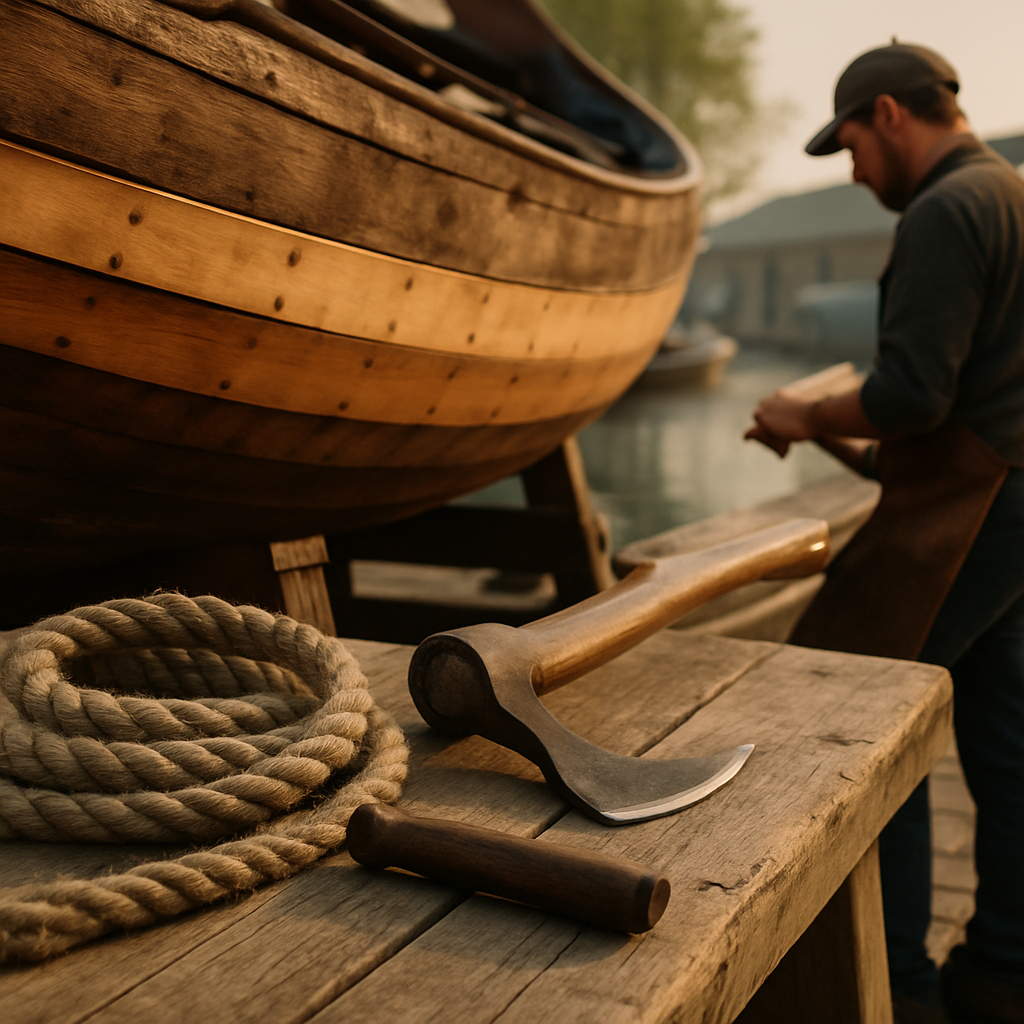
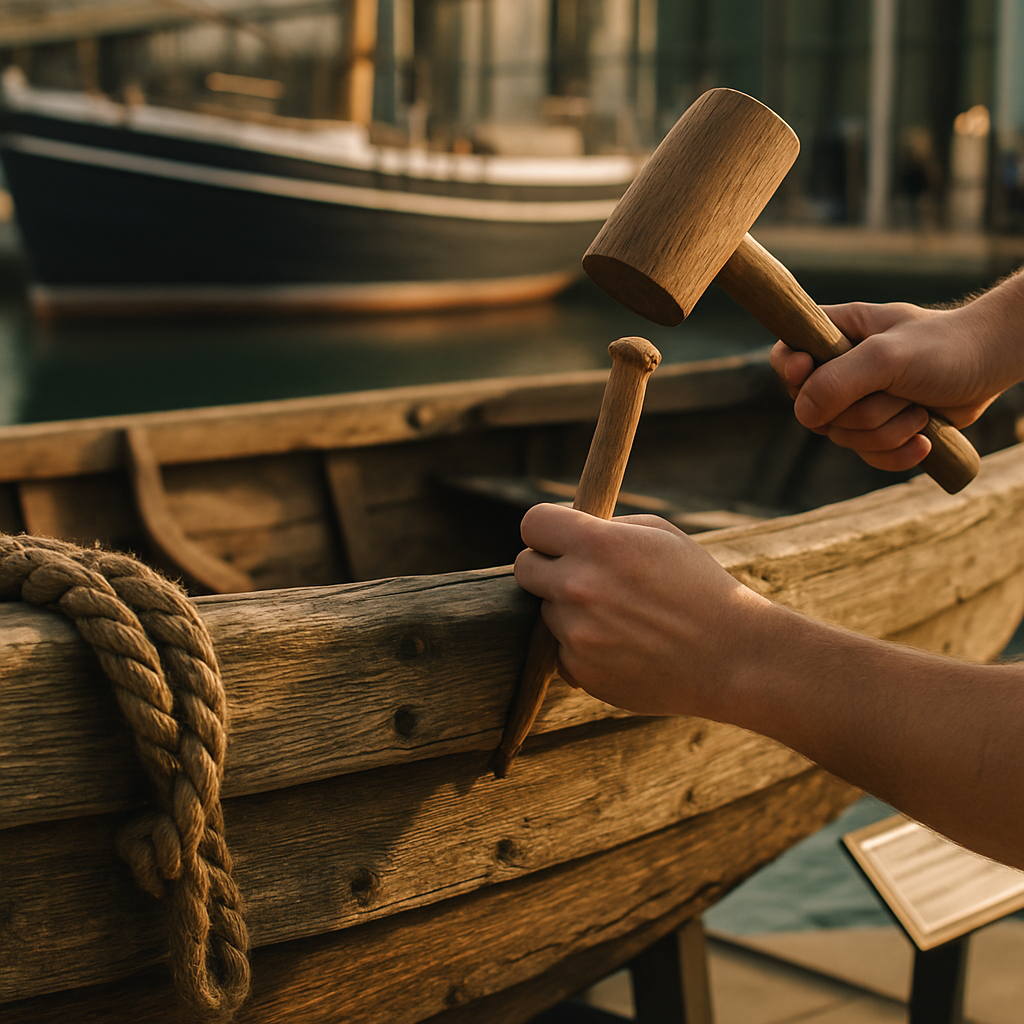
Seeing is believing. The museum hosts regular workshops where master boatbuilders demonstrate old techniques and explain why those methods mattered. You can ask questions, try a stitch or two, and leave with a newfound appreciation for the hands-on knowledge that sustained maritime trade. Visitors often mention that touching tools and hearing the rhythm of tapping adzes feels like connecting across centuries.
Exploration, Commerce, and Cultural Synthesis: Discoveries at AC Museum by the Waterfront
Exploration often looks romantic in stories, but it’s messy in real life—full of improvisation, loss, and unexpected cultural consequences. At AC Museum, exploration is shown as a vector of synthesis: new crops, new crafts, and new social arrangements emerged when worlds met at sea.
Mapping Routes and Seasonal Patterns
The museum’s interactive maps are a highlight because they show why routes mattered when they mattered. Seasonal winds like monsoons created windows of opportunity. Currents dictated the most practical paths. Technology determined which windows you could safely exploit. AC Museum’s reconstructions let you trace a voyage month by month and see how economic calendars and cultural festivals sometimes synchronized with shipping seasons—creating recurring patterns of exchange.
| Route | Active Period | Typical Goods & Cultural Flows |
|---|---|---|
| Mediterranean Coastal Routes | Antiquity–Early Modern | Grain, olive oil, wine; shared languages, architectural ideas, and religious exchange |
| Indian Ocean Monsoon Network | Classical–Early Modern | Spices, textiles, timber; rich blending of African, Arab, South Asian, and Southeast Asian cultures |
| Transatlantic Routes | 15th–19th centuries | Commodities and forced migrations; dramatic demographic and cultural shifts |
| Pacific Trading Lanes | Pre-contact–19th century | Canoe tech, crops, navigational rites; sustained exchange among island hubs |
Exhibits That Trace Synthesis
You’ll find food history, musical instruments, and textile patterns that reveal how exploration rewired taste and style. For example, a particular spice might arrive and become central to a region’s cuisine; a musical rhythm adopted by port bands might influence inland dances. These are the subtle, satisfying connections that the museum treasures.
Public Programs: Making History Feel Immediate
AC Museum doesn’t just display artifacts; it stages events that let you taste, hear, and participate in cultural exchange. Culinary nights pair historical recipes with modern reinterpretations. Navigation workshops show how sailors read the stars and the swell. School programs map local boatbuilding onto global themes, helping students connect their hometown with distant places through the shared language of craft and trade.
Key Takeaways: How AC Museum Frames Maritime Trade and Cultural Exchange
So, what should you walk away with? A few clear points:
- Maritime trade routes are networks of culture as much as commerce—ideas moved with goods and people.
- Boats and boatbuilding are physical records of exchange; materials and methods traveled and were adapted locally.
- Ports functioned as incubators of hybrid practices and new identities; their importance goes beyond the economy.
- Understanding maritime history needs a mixed approach—technical, environmental, and human stories woven together.
Frequently Asked Questions (FAQ)
Q: What exactly are “Maritime Trade Routes and Cultural Exchange” and why should I care?
A: In short, maritime trade routes are the sea paths that linked ports and communities; cultural exchange is what happened when people, goods, and ideas moved along those paths. You should care because these routes shaped the foods you eat, the words you use, and the tools you take for granted. At AC Museum, you can see these connections up close and understand global history through local objects and stories.
Q: Which historic maritime routes had the biggest cultural impact?
A: Major networks include the Mediterranean coastal routes, the Indian Ocean monsoon system, transatlantic passages, and Pacific trading lanes. Each changed cultures in distinctive ways—spices reshaped diets, navigational knowledge moved between sailors, and forced migrations profoundly altered demographics. AC Museum’s displays and maps highlight these routes and explain their cultural footprints.
Q: How does maritime trade shape local cultures in everyday life?
A: Think food, language, music, and craft. Ingredients arriving by ship get woven into local recipes. Musical styles travel with sailors and merchants, influencing local bands. Boatbuilding techniques migrate and get adapted. Those small, everyday borrowings gradually create hybrid traditions you might assume are “native” until you trace their origins.
Q: How does AC Museum interpret and present these stories?
A: The museum combines material evidence (boats, tools, cargo) with narratives—oral histories, logbook excerpts, and interactive route reconstructions. Curators map origins of materials, present case studies of hybrid vessels, and run programs that let you taste, touch, and try historical techniques. The goal is to make global processes tangible and personally relevant.
Q: How do you verify the origins of boat materials and artifacts?
A: AC Museum collaborates with conservation scientists who use dendrochronology (tree-ring dating), isotope analysis, and material typology. Those scientific tools, paired with archival research and comparative study, let the museum suggest likely sources for timbers, metals, and textiles—giving exhibits a firmer, evidence-based foundation.
Q: Does the museum address difficult histories, like the transatlantic slave trade or exploitative systems?
A: Yes. AC Museum treats these topics with care and scholarly rigor. Exhibits include survivor narratives, archaeological data, and contextual interpretation to explain human costs while honoring affected communities. If you want to confront these parts of maritime history, the museum provides resources and programs designed for sensitive, informed engagement.
Q: Can I join workshops or hands-on programs to learn boatbuilding or navigation?
A: Definitely. The museum runs regular workshops—everything from basic stitching and sail repair to navigation demonstrations and model-building. These sessions are great for getting a feel for the craft knowledge that kept trade moving. Check the museum’s events page or call ahead to reserve a spot.
Q: I’m a teacher—what school programs do you offer?
A: AC Museum offers curriculum-linked tours, hands-on craft sessions, and pre-visit materials to help you prepare students. Programs are designed to connect local maritime history with broader themes—trade, migration, technological change—so students see how global stories can start right in their backyard.
Q: How can researchers or historians access the collection for study?
A: Researchers can request access via the museum’s collections department. AC Museum supports scholarly work with appointment-based access, digital records, and partnerships with universities. If you’re planning research, provide a project outline and desired materials when you apply to speed up the process.
Q: What should I know before visiting the museum to get the most out of it?
A: Start at the waterfront orientation, plan to join a guided tour, and check the schedule for workshops or talks. Wear comfortable shoes—there’s a fair bit of walking—and bring questions. If you want hands-on experiences, reserve in advance. If accessibility or special accommodations matter to you, the museum’s visitor services can help plan your visit.
Visiting AC Museum: Practical Tips
Want to make the most of a visit focused on Maritime Trade Routes and Cultural Exchange? Here are a few practical tips:
- Begin at the waterfront orientation to understand how wharves and flows shaped the town’s layout.
- Join a guided tour—docents often share juicy anecdotes not found on labels.
- Plan around workshop schedules if you want hands-on experiences.
- Give yourself time to linger by a single boat; small details—nail patterns, mating of timbers—tell big stories.
Conclusion
If you leave AC Museum with one impression, let it be this: maritime trade routes were engines of cultural exchange. They stitched distant communities together with timber and textiles, sure—but also with songs, recipes, and ideas. The next time you see an unfamiliar spice at a grocery store or hear a tune that sounds a little off-kilter, consider the long chain of hands and hulls that brought it there. History isn’t only in books; it’s in the planks beneath your feet and the recipes passed down through generations. And if you’re near the waterfront, drop by AC Museum—bring curiosity, bring questions, and maybe, if you’re lucky, bring an appetite for something new.