Discover the Hidden Currents: Why “Seafaring Lifestyles and Community Structures” Still Shape Our Shores — and How Du Can Feel That Pulse Today
Attention: Ever wondered what life smelled like on a wooden deck at dawn? Interest: Curious about how port towns hummed with gossip, trade and craft long before GPS and container ships? Desire: Imagine stepping into a reconstructed sail loft, tracing the thread where a sailor’s name was stitched into a patch. Action: Read on, and plan a visit to AC Museum to hear those stories in person.
To explore these layers in more depth, AC Museum curators recommend starting with our online overview at Maritime Culture and Heritage, which frames objects within community narratives and material practices. For visitors and researchers interested in how goods, technologies and ideas moved between ports, the exhibit page on Maritime Trade Routes and Cultural Exchange maps historic corridors and highlights stories of cultural mixing and economic impact. And if Du want a technical lens that ties form to function—showing how hull shape, rigging and ship layout reflect social priorities—see Naval Architecture in Cultural Context for a clear connection between design and daily life at sea.
Seafaring Lifestyles and Community Structures: Insights from AC Museum’s Maritime Exhibits
The phrase Seafaring Lifestyles and Community Structures invites more than history—it asks for empathy. At AC Museum, objects aren’t displayed as sterile artifacts. They’re conversation starters. A tar-stained coat becomes a record of storms survived; a captain’s log opens a window into decisions made under pressure. Together, these exhibits show how life at sea and life ashore braided into resilient communities.
What Du will notice immediately is scale. Seafaring communities existed on several linked levels: the intimate micro-economy of a vessel, the bustling activity along a quay, and the expansive trade networks that connected continents. The museum places these scales side by side so Du can see how a single sail repair in a small loft might ripple out to influence trade schedules or family incomes in port towns.
Another key insight is how knowledge traveled. Navigation and seamanship weren’t just taught from a book. They were embodied. Apprenticeship, storytelling, ritual and repetition were how skills stuck. The museum’s oral histories, full of colorful turns of phrase and practical tips (Du will learn why a sailor’s knot is sometimes called “stubborn”), underline that these were living traditions.
- Seafaring communities were multi-layered: shipboard order fed into port economies and family networks.
- Routines—departure cycles, maintenance seasons, market days—structured both social life and survival strategies.
- Craft knowledge was communal and practical: Du learned by doing, not just by reading.
AC Museum’s approach is deliberately human. Items are labeled with not only dates and provenance but also the stories of the people who used them: their fears, jokes, and clever hacks. It’s a reminder that when we study seafaring lifestyles and community structures, we’re really studying how people organized life in the face of uncertainty and isolation.
On Deck and in the Hold: Daily Routines, Roles, and Social Hierarchies on Historic Vessels
Step aboard a historic vessel—virtually or in the museum—and Du step into a small, moving society. The ship’s layout determined who slept where, who ate what, and who got the first say when the weather turned nasty. Understanding these spatial rules helps Du decode the social order that sailors accepted and, at times, resisted.
Typical daily routines
A day at sea was practical and punctuated. Watches split the crew’s time; maintenance tasks never quite let up. Du can think of life aboard as a set of repeating beats: watch, work, eat, repair, rest. But within that rhythm there was improvisation. Long voyages forced crews to adapt recipes, invent tools, or repurpose cargo for repairs. Museum displays show how the smallest objects—a patched kettle, a carved spoon—tell big stories about resourcefulness.
- Watch changes: crews divided into shifts to keep the vessel running 24/7.
- Maintenance: constant repairs to rigging, hulls and sails were a daily reality.
- Provisioning and cooking: limited storage shaped diets and routines.
- Navigation and record-keeping: sextants, logbooks, and charts were daily companions.
Roles and hierarchy
Hierarchy made decisions quick and life survivable. It wasn’t always pleasant—authority could be harsh—but it was functional. The museum’s reconstructed crew lists and role displays bring these positions to life, showing how responsibilities were divided and why discipline mattered when a storm loomed on the horizon.
| Role | Primary responsibilities |
|---|---|
| Captain/Master | Overall command, navigation decisions, cargo and contractual duties |
| Mate/First Mate | Crew supervision, watch coordination, overseeing cargo operations |
| Boatswain (Bosun) | Rigging maintenance, tool management, leading deck crew |
| Able Seamen/Ordinary Seamen | Sail handling, general deck work, watch duties |
| Cook/Steward | Food preparation, sanitation, and sometimes basic medical assistance |
Social dynamics and discipline
Ships were tight quarters, and tensions simmered. Discipline could be punitive. Yet, paradoxically, the same cramped living conditions forged intense loyalty. Du might witness scuffles over rum rations in a diary entry, followed by a neighborly sharing of a patch to keep a sail from tearing in gale. Those contradictions—tension and solidarity—are present in the museum’s letters and log excerpts.
Variation by vessel type and voyage
Not all ships ran the same social show. Fishing crews on coastal boats often relied on family ties and flexible roles; naval vessels applied strict ranks and protocols; merchant ships balanced profit pressures with crew welfare. AC Museum’s comparative displays let Du compare these patterns. It’s instructive: the social blueprint on your average 18th-century merchantman looks very different from that on a small 19th-century trawler.
Coastal Communities and Trade Networks: How Ports Shaped Seafaring Life
If ships are the moving units of maritime culture, ports are the brains. Harbors shaped labor markets, culture, and identity. At AC Museum Du can map these relationships—see which ports fed certain routes, what goods moved where, and how local crafts evolved in response to international demand.
Ports as economic hubs
Ports concentrated services: shipyards, chandlers (who sold supplies), markets, and storage warehouses. This concentration meant jobs, social mobility, and, sometimes, exploitation. The museum’s exhibits trace how a prosperous port could lift entire communities, while downturns in trade or war could devastate livelihoods.
Social life ashore
Ashore, sailors sought relaxation, camaraderie, and sometimes redemption. Taverns, mission halls, sailors’ homes and social clubs mediated life between voyages. These places settled disputes, arranged marriages, and offered temporary shelter—social infrastructures that bound maritime communities together. AC Museum recreates these locations to show how social norms and reputations were built and policed in public spaces.
Trade networks and cultural exchange
Trade routes did more than move salt and spices. They circulated ideas, foods, music, and technology. Du can see in the museum how certain boat designs migrated along corridor lines, how culinary imports changed local diets, and how language borrowed terms as sailors moved. Ports became melting pots, and this hybridity left lasting cultural marks.
Migration and maritime communities
Ports were departure points and arrival stations for migrants. Families often stretched across oceans with letters, remittances, and seasonal return visits. AC Museum’s oral histories capture the emotional side of migration: the longing for home, the adjustment to new shores, and the ways kinship networks sustained seafaring identities across generations.
Craftsmanship at Sea: Boat Builders, Sail Makers, and the Shared Knowledge of Maritime Culture
Craft is the beating heart of maritime life. Without boatbuilders, sailmakers, ropemakers and caulkers, ships would be temporary things. These crafts carried method, language and tacit wisdom that machines can’t fully replicate. AC Museum celebrates that human know-how with hands-on exhibits and workshops.
The boatbuilder’s tradition
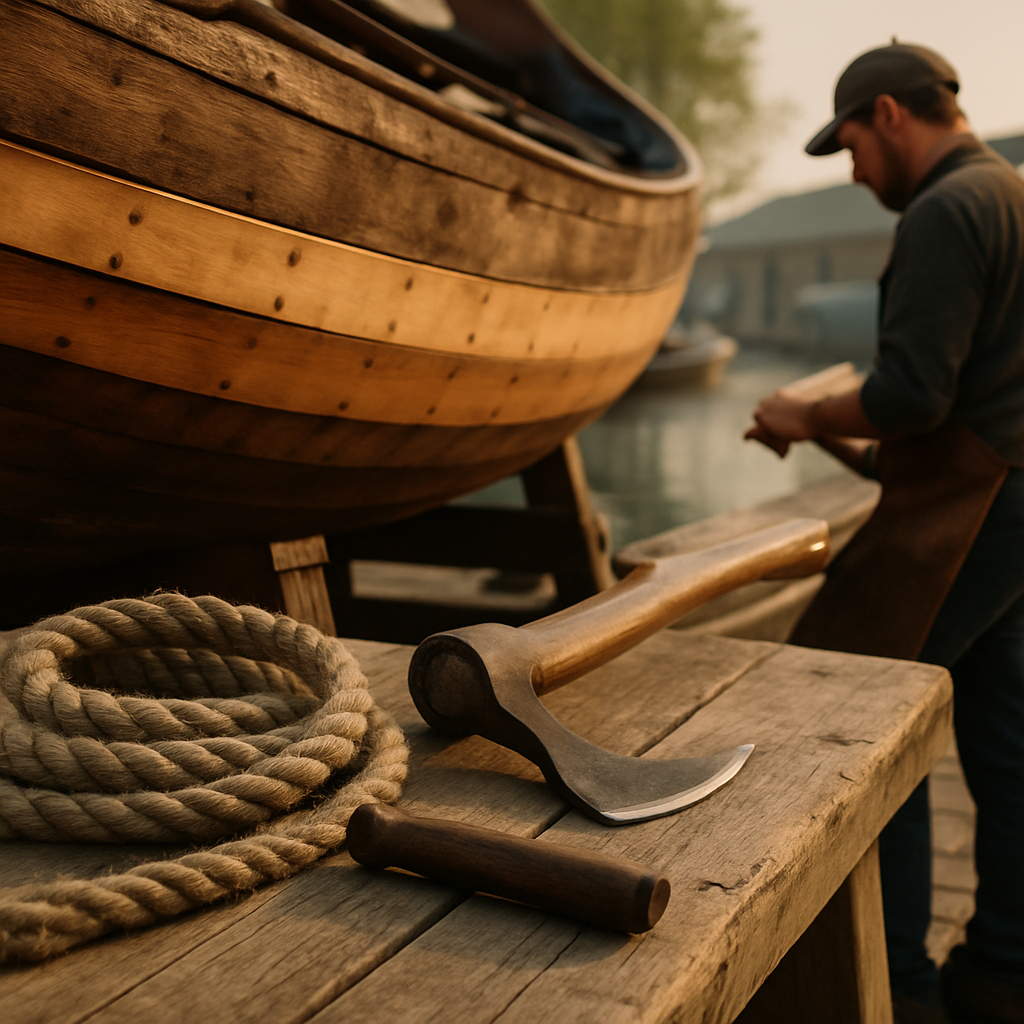
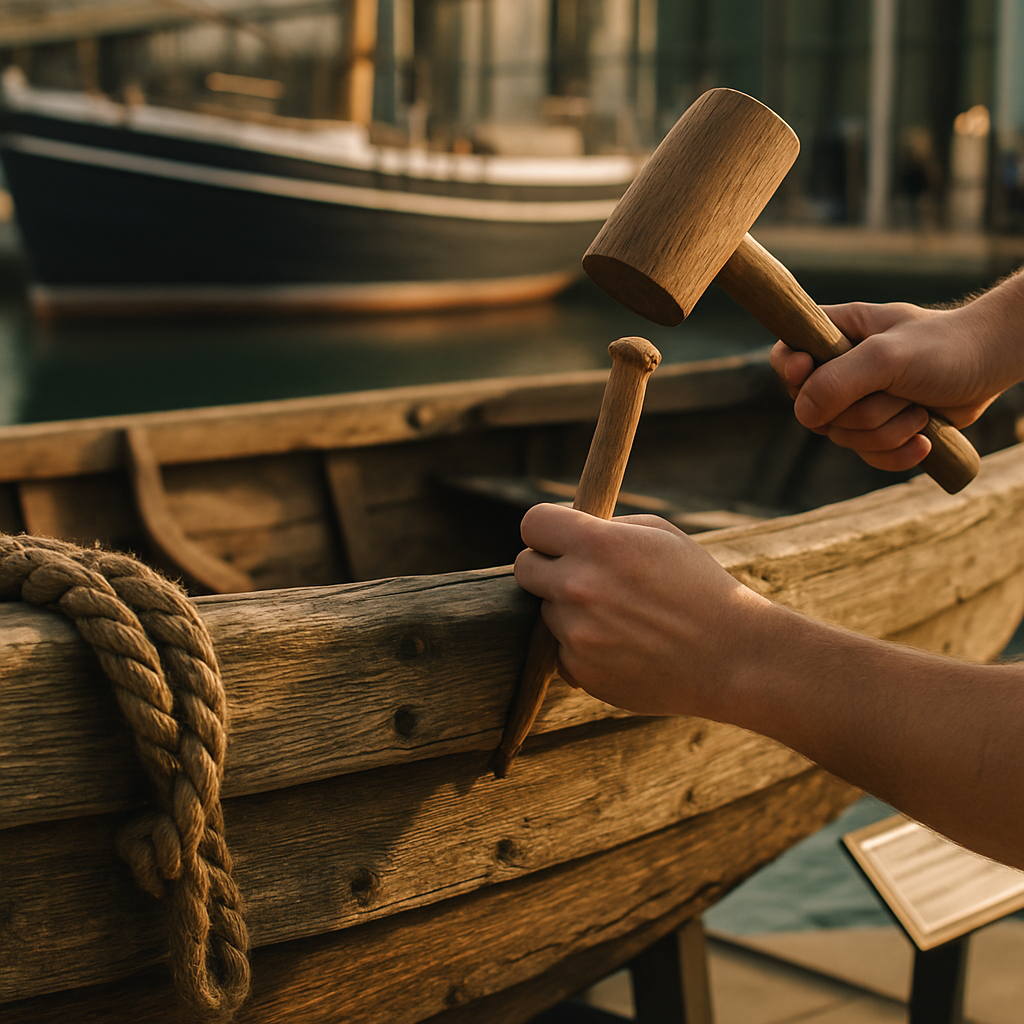
Traditional boatbuilding blends geometry with feel. A master lofts lines, picks timber rings for bending, and knows which nail to use where. These decisions aren’t just technical—they’re cultural. The museum’s reconstructions of framing and planking stages reveal how apprentices were taught to “read” wood grain and to make long-lasting joints.
Sailmaking and ropework
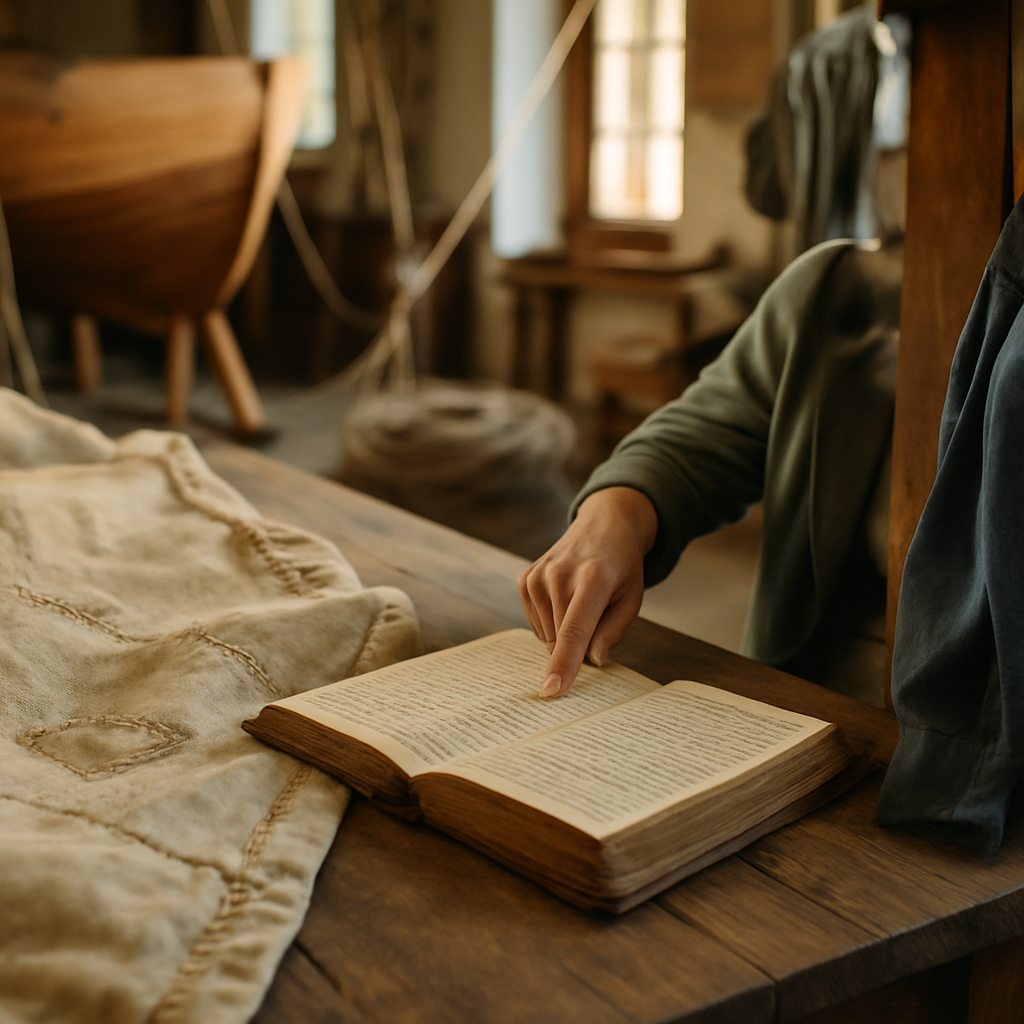
Sails and ropes embody specialized logic. Sailmakers choose canvas, stitch patterns and reinforcement that match expected winds and voyages. Ropemakers spin fibers to specific diameters and elasticity. Look closely at the museum’s preserved sails and Du’ll spot patchwork and repairs that tell stories of storms, ingenuity, and thrift. These items are like diaries stitched in canvas.
Knowledge sharing and innovation
Craftspeople didn’t hoard knowledge; they shared and adapted it. Shipyards learned from each other, traveling riggers exported methods, and pragmatic innovations spread quickly. The museum shows how a tweak in caulking technique in one port could reduce maintenance time across an entire trading network, boosting efficiency and profit.
Material culture and sustainability
There’s an environmental lesson here too. Traditional maritime practices prioritized repair and reuse because materials were valuable. That mindset—repair-first, make-to-last—offers modern lessons about sustainability. AC Museum highlights these practices not as quaint relics but as living strategies that can inform modern boatbuilding and resource use.
Education, Tradition, and Storytelling: Preserving Seafaring Lifestyles at AC Museum
Preservation at the museum is active, not passive. It’s about teaching how to splice a rope, yes—but also about transmitting the stories, jokes, and moral codes that gave those skills meaning. Educational programs at AC Museum are designed to mix hands-on practice with social history so Du don’t just learn a technique—Du learn why it mattered.
Educational programming
From guided school tours to adult weekend workshops, the museum offers layered learning. Du can learn navigation basics with replicas of historic instruments, practice knot-tying until Dein fingers ache, or join a multiday boatbuilding session where Du make a small skiff. These experiences bridge the gap between curiosity and competence.
Oral history and storytelling
Objects can’t always tell the whole story. That’s where voices come in. AC Museum’s oral-history archive preserves interviews with sailors, shipwrights and dockworkers. Listen to a retired captain speak, and Du’ll hear cadence, humor and raw feeling that a display label would flatten. These narratives are central to keeping maritime culture alive.
Community engagement and living history
Living history events turn passive viewing into active participation. Volunteers demonstrate sail mending, knotwork and traditional navigation. Communities bring recipes, songs and slang, reconnecting present-day audiences with ancestral practices. These events also reinforce social bonds between generations—grandparents teaching grandchildren, old hands mentoring eager novices.
Digital preservation and access
AC Museum pairs tactile learning with digital reach. High-resolution scans, audio archives and video tutorials extend access to those who can’t visit in person. Digital tools also allow complex processes—like hull lofting—to be visualized step-by-step, making deep crafts accessible without losing their nuance.
Case Studies from the AC Museum Collection
To make this concrete, here are a few highlights Du might encounter on a visit or online. Each entry ties the tangible object back to the larger theme of Seafaring Lifestyles and Community Structures.
- A captain’s log spanning several years showing routes, crew lists and disputes over pay—revealing hierarchy, commerce and daily life in one leather-bound book.
- A restored sail loft where Du can see stitches, patches and the creativity behind extending a sail’s life for decades.
- Recorded testimonies from a dockside community that describe migration, cross-cultural marriages, and the informal welfare networks sailors relied on.
- A boatbuilder’s chest containing tools with notches and personal marks, evidence of individual technique passed through apprenticeships.
These case studies make clear that maritime life can be read in objects as if they were pages. Du’ll leave understanding not only what was made, but why it mattered to real people.
Frequently Asked Questions (FAQ)
A: AC Museum’s hours vary by season and special events; Du should check the museum’s website or call ahead before visiting. Admission fees are tiered—discounts for students, seniors and families are common, and special workshop days may have separate charges. Group rates and school-visit packages are typically available with advance booking, which helps the museum plan hands-on activities and staffing.
A: Workshop bookings are handled through the museum’s events page or education desk. Popular sessions fill quickly, so Du should reserve Dein spot in advance. Workshops often have age recommendations and material fees; multi-day boatbuilding courses may require a deposit. If Dein group needs a tailored session, contact the education coordinator to discuss objectives, group size, and any accessibility needs.
A: Yes—family-friendly programming is a core part of the museum’s mission. Du can find interactive stations, scavenger hunts and age-appropriate workshops designed to spark curiosity about maritime life. School holiday events and weekend drop-in demos help younger visitors gain hands-on experience with safe, supervised tasks like simple ropework or model rigging.
A: AC Museum supports scholarly research; archive access is typically by appointment. Du should contact the collections manager with a brief research summary and desired materials. Some records are digitized and available online, while fragile items may require supervised handling. For extensive research, plan ahead to allow time for permissions, scanning requests, or curatorial support.
A: The museum welcomes community contributions. If Du have a maritime story, object or photograph, reach out to the outreach team to discuss provenance and condition. Oral histories are usually recorded with consent and cataloged for future access; donated artifacts are reviewed for historical relevance and conservation needs. Donation forms and oral-history release agreements ensure clear stewardship and proper acknowledgment.
A: Accessibility is a priority. Many galleries are wheelchair accessible and staff can arrange guided routes, seating and hands-on alternatives when space is limited (for example, in cramped vessel interiors). Du should notify the museum when booking a visit if Dein mobility needs specific accommodations; the visitor services team will help plan an inclusive experience.
A: AC Museum has an active boat-restoration program that combines professional conservators with trained volunteers. Volunteer roles vary from shop prep and basic maintenance to supervised conservation tasks. Specialized restoration projects may require experienced craftsmen; Du can inquire about volunteer training, safety protocols, and certification requirements to get involved responsibly.
A: Conservation practices include climate-controlled storage, careful handling protocols, and preventive treatments to slow deterioration. The conservation team documents condition changes, uses non-invasive stabilization methods, and digitizes fragile documents to reduce physical handling. Du can support these efforts through donations or by participating in fundraisers tied to conservation projects.
A: Group visits can be customized with guided tours, themed workshops, and catered shore-side spaces for meetings. School programs align with curriculum goals, while corporate events can include team-building maritime activities. Advance booking ensures tailored content, appropriate staffing, and any special access needs—Du should contact the events coordinator to plan dates, learning outcomes, and group logistics.
A: Subscribe to AC Museum’s newsletter, follow social channels, or join the membership program for early access to events and volunteer sign-ups. Members often receive discounts on workshops and invitations to behind-the-scenes tours. Du can also check the online events calendar regularly, as seasonal programming and pop-up demonstrations are announced with limited lead time.
Why Understanding Seafaring Lifestyles Matters Today
Why should Du care? Because the lessons from maritime communities are relevant now. They teach resilience in the face of supply-chain shocks, they show how trade shapes cultural identities, and they highlight sustainable practices like repair and local sourcing. Moreover, recognizing the human stories—labor conditions, migration hardships, community solidarity—helps us create fairer maritime policies today.
AC Museum’s curators believe that history is practical. The same logistic thinking that organized 19th-century trade can inform modern port planning. The same craft ethos—repair and longevity—can feed contemporary sustainability debates. Put simply: history isn’t just past; it’s a toolkit.
Visiting AC Museum: What to Expect
If Du decide to visit, expect to be engaged. Exhibits are layered; Du can skim or dive deep. Docents will happily point out small delights—the grain patterns in a planked hull, the faded initials on a hammock. Families will find interactive stations; researchers will find archives and staff eager to help.
Practical tip: check the events calendar. Workshops fill fast. And if Du can’t make it in person, explore the online oral histories and virtual exhibits. They’re a great primer before Dein trip.
Conclusion: Seafaring Culture as Living Heritage
Seafaring Lifestyles and Community Structures are not museum-frozen curiosities. They’re living legacies that continue to shape coastal identities and inform modern practice. AC Museum does a beautiful job of reminding us that maritime history is both technical and deeply human—full of clever hacks, loyal friendships, bitter quarrels and sustained ingenuity.
So here’s an invitation: come curious, bring a question, and leave with a story Du’ll tell at dinner. Whether Du are after skill, history, or a quiet moment imagining life on a wind-swept deck, Du will find that maritime culture still has plenty to teach us. And if Du learn one practical thing—like how to tie a bowline—Du will have carried a tiny piece of that living heritage back into Dein daily life.
- Explore AC Museum’s online archives to preview exhibits and oral histories.
- Book a hands-on workshop—knot-tying or a boatbuilding intro—for experiential learning.
- Bring a notebook on Dein visit; small details often spark the best insights.
- Share stories—seafaring lifestyles live on through conversation and community memory.