Discover the Timeless Craft: How Traditional Boat Construction Techniques Come Alive at AC Museum
Traditional Boat Construction Techniques: An Overview at AC Museum
If Du have ever stopped to admire the curve of a wooden hull and wondered how it was made, Du are in the right place. AC Museum brings the phrase “Traditional Boat Construction Techniques” out of textbooks and into the real world—complete with sawdust, steam boxes, and the low, steady rhythm of a seasoned boatwright at work. This overview explains what those techniques are, why they mattered for coastal communities, and how the museum frames them so Du can both appreciate and learn from them.
The term covers a range of historical practices: choosing the right timber, shaping frames, bending planks, fastening with treenails or copper, and sealing seams with fibers and pitch. These aren’t just steps in a process; they are decisions born from environment, available materials, and centuries of trial and error. At AC Museum, Du will see how each choice influenced performance—how a hull handles waves, how easily it can be repaired, and how long it lasts.
Why should Du care? Because studying Traditional Boat Construction Techniques helps preserve practical knowledge, fuels modern restoration work, and connects Du to a maritime past that shaped trade, travel, and daily life. And, frankly, there’s something deeply satisfying about watching a plank find its place and become part of a living object that once ferried people, goods, and stories.
If Du want a single starting point to plan Dein visit or dive deeper into exhibits, Du can go directly to acmuseum.com — the museum’s site acts as a practical hub for schedules, special events, and educational resources. When Du explore the site Du will find clear descriptions of galleries, workshop offerings, and restoration projects, which makes planning easier and sets expectations so Dein visit is both efficient and inspiring.
When it comes to practical maintenance and the specifics of making a wooden hull watertight, the museum’s guide on Caulking, Sealing, and Historic Vessel Maintenance is a fantastic resource. That page breaks down tools, fibers, and compounds used historically—and explains how conservators today decide whether to use traditional pitch or modern substitutes—so Du can understand why certain seams look the way they do on restored vessels.
If Du’re curious about the joinery that holds a wooden boat together without relying solely on modern adhesives, check the museum’s piece on Joinery for Wooden Boat Building. It covers scarf joints, mortise-and-tenon, and laminated knees with diagrams and photos that make the mechanics readable. Studying that material helps Du appreciate the clever, low-tech solutions boatwrights used to ensure durability and flexibility in hulls.
Fastening and lashing are practical arts in themselves; learn more through the museum’s detailed pages like Lashing, Stitching, and Fastening Methods, which outlines everything from treenails to modern-compatible rivets. That write-up clarifies why some methods resist saltwater corrosion better, and why certain historical repairs were done in a particular way—useful context when Du inspect a boat and spot intriguing repairs or odd fasteners.
Timber choice is central to the craft, and the museum’s Timber Selection and Sourcing for Boats resource explains species preferences, trade-offs, and sustainable sourcing concerns. It’s a practical primer on why oak is used for frames, cedar for planking, or why builders sometimes turned to imported timbers as local supplies dwindled—information that links craft decisions to environmental and economic history.
To round things out, the museum’s survey on Traditional Hull Construction Techniques brings these strands together, illustrating regional hull types and construction choices with illustrations and photographs. That overview helps Du match observed features—clinker overlap, carvel seams, or shell-first evidence—to the method and context behind each hull, making museum visits far more rewarding and interpretive.
From Timber Frames to Planking: The Craft Behind Historic Boats
Think of a wooden boat as a puzzle where every piece matters. The backbone, ribs, skin, and fastenings all interact. AC Museum breaks down these systems so Du can see the logic behind traditional designs.
Frame-First vs. Shell-First Construction
One of the first big choices builders made was whether to start with a skeleton or build the skin first. Frame-first, or skeleton-first, creates a strong internal structure to which planks are nailed or bolted. It’s tidy, predictable, and excellent for larger vessels where a stable form is essential. Shell-first, on the other hand, lets the outer skin define the shape—ideal for quick builds and some small craft traditions. Both methods reveal much about the builder’s priorities.
Clinker (Lapstrake) and Carvel Planking: Two Ways to Skin a Hull
Du can almost tell a boat’s story by looking at its planking. Clinker, or lapstrake, uses overlapping planks—comfortable, rugged, and forgiving. Carvel planking fits boards edge to edge, producing a smooth surface common on larger, ocean-going vessels. At AC Museum, side-by-side examples demonstrate how each method affects speed, maintenance, and water-shedding.
Essential Structural Components
Don’t gloss over the names—keel, stem, sternpost, frames, stringers, knees—each has a job. The keel is the backbone; frames set the shape; planking forms the skin. Traditional joinery—scarf joints, mortise-and-tenon, and laminated knees—creates integrity without relying on modern adhesives or metalwork. The museum’s cross-sections make it easy to visualize how forces travel through a hull and why certain timbers were prized.
Why Design Varied by Region and Use
Boat forms evolved regionally. Fishermen in a rocky, shallow coastline needed flat-bottomed, beachable craft; long-distance traders opted for deeper hulls and greater cargo capacity. Traditional Boat Construction Techniques are a response to local problems—wind, waves, tides, and available timber. AC Museum ties each design to real-world needs, which makes the craft far more comprehensible and, frankly, more interesting.
Tools, Materials, and Methods Revealed at AC Museum
Want to know what separates a good boatwright from a novice? It’s not only skill, but also knowing which timber to use, which tool at which moment, and the subtle art of timing—when to steam, when to nail, when to let wood settle. AC Museum lays out these choices with artifacts, demos, and hands-on learning.
Primary Materials and Why They Matter
Wood is central, yes, but not all wood is equal. Hardwoods like oak resist compression and rot, so they often make keels and frames. Softer, straight-grained species—cedar, pine, fir—are light and easy to plank. Tropical woods like teak bring natural oils that fight decay. The museum explains trade-offs: weight versus strength, availability versus longevity, and how local ecosystems shaped historical material choices.
Essential Tools You’ll See
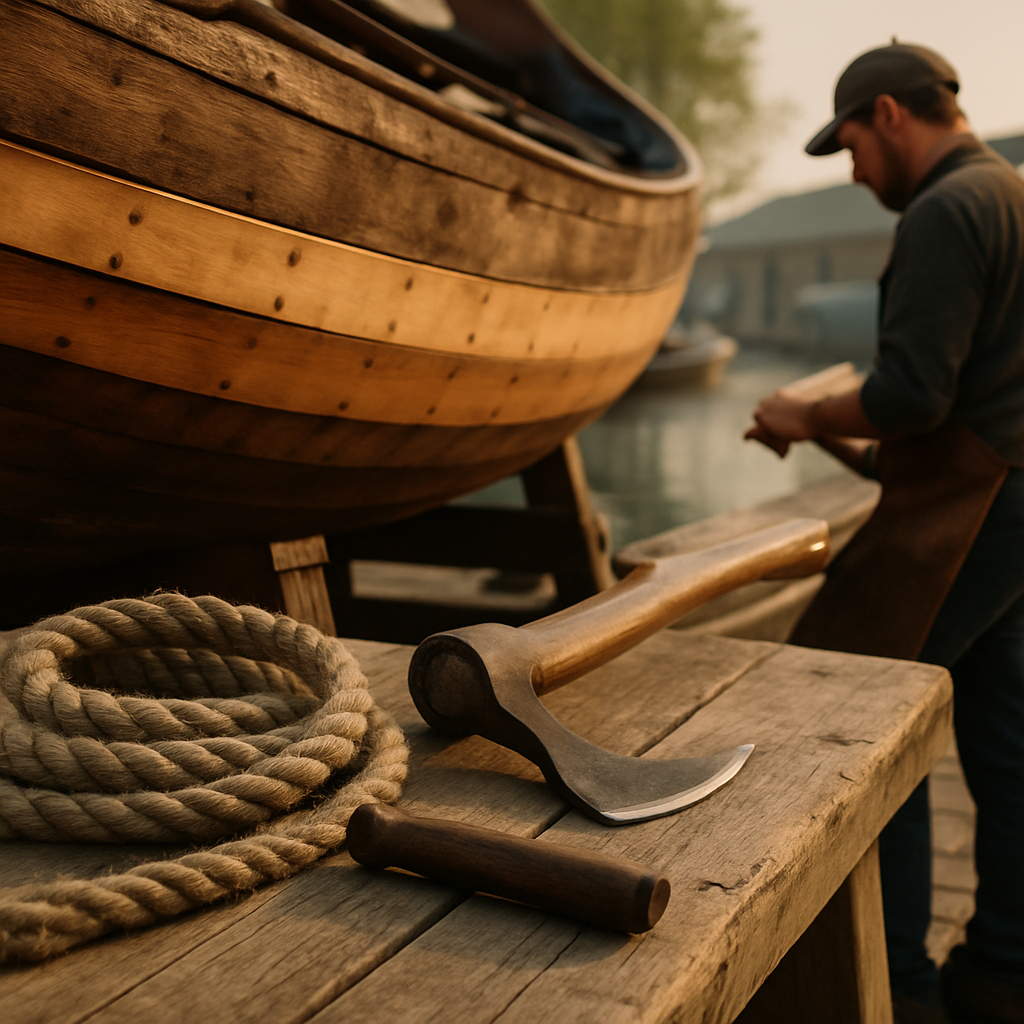
Don’t expect only shiny power tools. Many historic builds were hand-done with adzes, planes, drawknives, augers, and mallets. AC Museum displays these implements and demonstrates their use. The tactile nature of these tools is part of the appeal—there’s immediacy in shaping timber by hand that resonates visually and physically.
Key Methods: Lofting, Steam Bending, Caulking and More
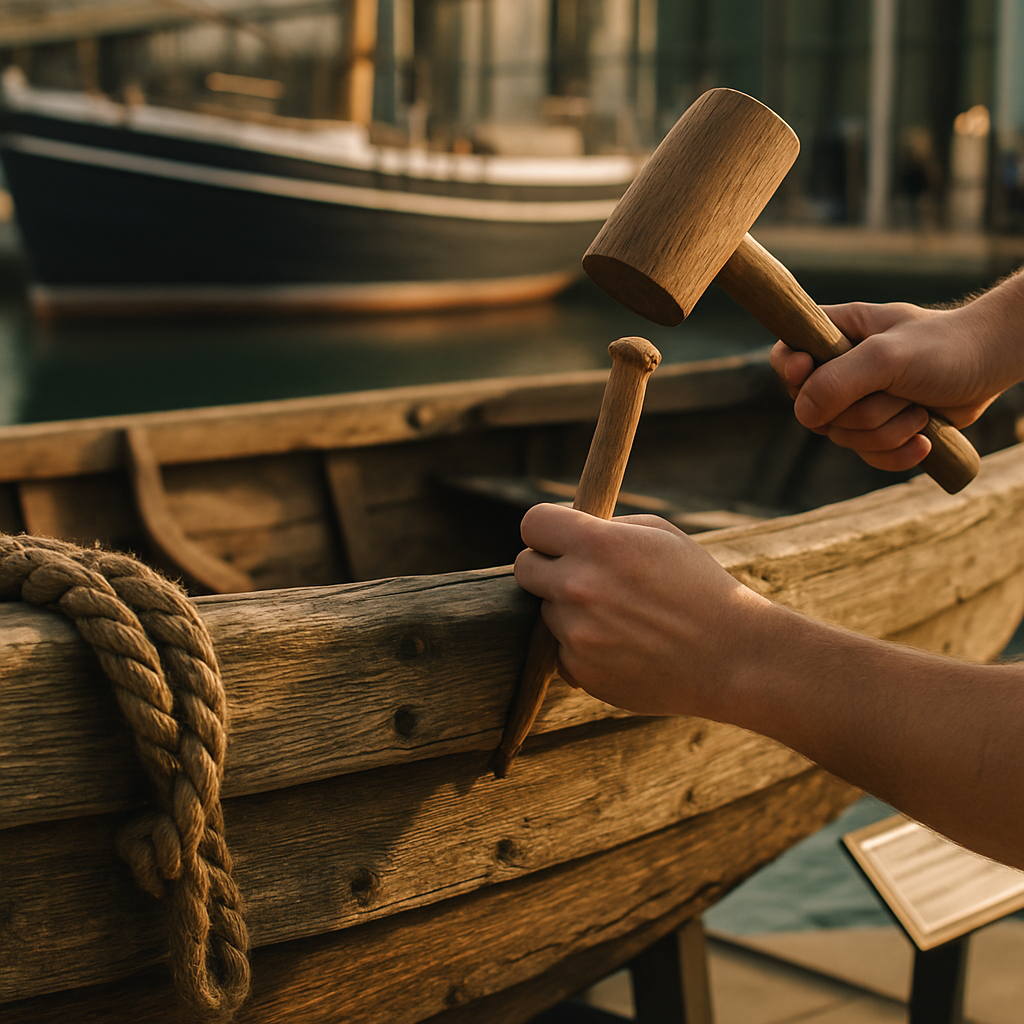
Several signature methods are showcased in live demos. Lofting transfers design lines to full-size patterns—a bit like drafting but at human scale. Steam bending softens wood to match a required curve. Caulking—hammering fibers into seams and sealing with hot pitch—is as much about rhythm as technique. The museum shows how each method contributes to a seaworthy hull.
Fastening Choices: Copper, Iron, and Treenails
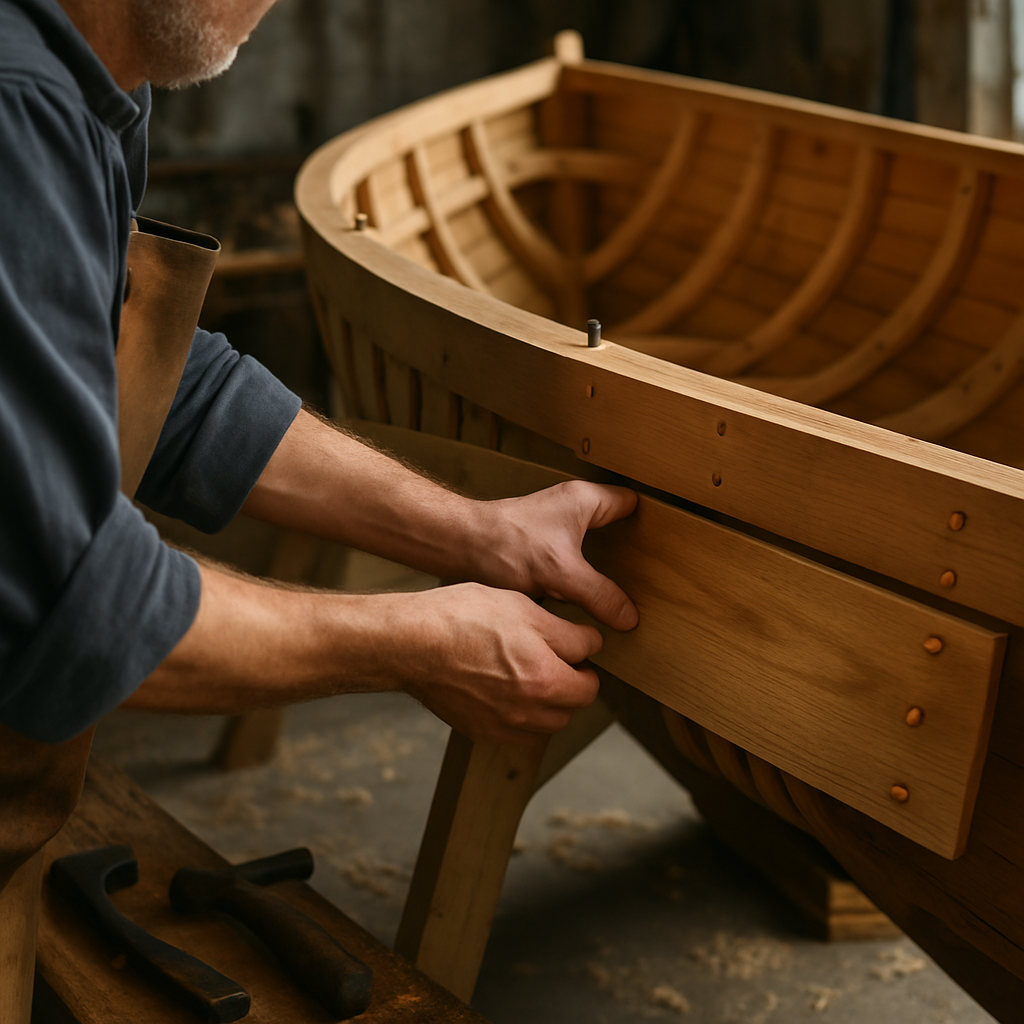
Fasteners tell a story of technology and trade. Copper resists corrosion in saltwater, so it’s often seen on planks. Treenails—wooden pegs—are elegant, avoiding galvanic corrosion and adding traditional authenticity. The museum’s displays highlight how each fastening method affects repairability and long-term maintenance.
Case Studies: Historic Vessels on Display Demonstrating Traditional Techniques
To make these methods concrete, AC Museum features a curated selection of vessels—each a case study in Traditional Boat Construction Techniques. These aren’t static artifacts; they are stories frozen in wood, metal, and fiber. Inspecting them up close reveals choices, repairs, and even the hand of the maker.
Coastal Working Punt — Clinker Construction
The coast punt is a textbook example of lapstrake technique. Its overlapping planks add stiffness and allow easy beach launching. At AC Museum, Du can see patchwork repairs and learn how fishermen maintained these boats season after season. The exhibit shows how a simple hull design supported complex livelihoods—shellfishing, net hauling, shallow-water transport—all demanding reliability and ease of repair.
Fishing Smack — Carvel Framing for Offshore Work
Larger than the punt, the fishing smack demonstrates frame-first carvel construction. Its smooth hull reduces drag, while the substantial frames carry heavy loads. Interpretive boards explain how planks were replaced in the field, how crews reinforced stress points, and why certain design changes occurred with evolving fishing methods.
River Skiff — Shell-First Efficiency
The river skiff shows how shell-first building could produce an effective craft with minimal resources. Builders shaped the outer skin, then fitted frames. This approach is fast and economical—valuable where labor was cheap but materials or skilled labor were not. It’s a reminder that “traditional” doesn’t mean “one-size-fits-all.”
Restored 19th-Century Launch — Conservation in Practice
Perhaps the most instructive exhibit is the restoration gallery. This launch has undergone careful conservation, and curators explain each intervention: why one timber was replaced, how modern preservatives were considered and sometimes rejected, and how authenticity is balanced with longevity. The museum documents decision-making—what’s repaired, what’s conserved, and why.
Craftsmanship, Culture, and Maritime History: The Significance of Traditional Techniques
Beyond nuts and bolts—well, treenails and bolts—traditional boatbuilding is culture. It’s a way of passing knowledge from person to person, season to season. AC Museum emphasizes the human stories behind the planks: apprenticeships, family trades, coastal communities shaped by tides and trade winds.
Apprenticeship, Oral Tradition, and Toolmarks
Historically, boatwrights learned by watching, imitating, and doing. Du will see toolmarks in timbers, notes on beams, and small variations that signal who built what. The museum collects oral histories that explain not just how but why things were done—why a certain knot was favored, or why a frame was shaped just so. These narratives enrich technical displays and make the craft feel alive.
Innovation without Reinventing the Wheel
Tradition doesn’t mean static. Builders innovated—integrating new fasteners, experimenting with hull shapes, or adopting steam-driven techniques. AC Museum highlights incremental innovations and how they improved safety, cargo capacity, and build efficiency. Du will leave with an appreciation for builders who balanced tradition with practicality.
Environmental and Cultural Stewardship
Wooden boatbuilding raises sustainability questions. AC Museum addresses them head-on: where do Du source oak without emptying forests? How do Du choose conservation materials responsibly? Exhibits explore sustainable timber sourcing, modern alternatives, and the ethics of restoration. The message is clear: preserving craft and heritage also means caring for the natural systems that supplied it.
Plan Dein Visit: Experiencing Traditional Boat Construction Techniques at AC Museum
Seeing a picture is one thing—hearing the creak, smelling the tar, feeling a planed plank is another. If Du want a memorable, educational visit focused on Traditional Boat Construction Techniques, here’s how to get the most out of Dein time at AC Museum.
Guided Tours: What Du’ll See and Learn
Guided tours are geared to different interests: quick overviews for families, deep dives for enthusiasts, and specialized tours that focus on restoration. Expect to walk through galleries, visit workshop spaces, and see cross-sections that reveal hidden joinery. Guides point out subtle signs of age and repair—and they answer the kinds of questions Du didn’t know to ask.
Hands-On Workshops: Try the Techniques Yourself
If Du’re itching to get involved, sign up for a workshop. Options range from single-session introductions—lofting basics, caulking practice, planing demonstrations—to multi-day intensives where Du contribute to an actual restoration under supervision. Workshops are limited in size, so booking in advance is recommended.
Restoration Viewings: See Conservation in Action
The restoration gallery is a favorite. Watching conservators work gives insight into material choices and ethical trade-offs. Du will see modern tools used discreetly alongside traditional methods, and Du will learn why some interventions are reversible while others are permanent. It’s an honest look at how museums keep wooden boats viable for future generations.
Visitor Tips and Practicalities
Plan ahead: Check the schedule for demonstrations and workshops.
Dress for the space: Comfortable shoes are a must—some exhibits are in waterfront sheds.
Bring curiosity: Questions make the experience richer—ask about tools, provenance, and restoration choices.
Family-friendly: Activities are available for children, and tactile exhibits help younger visitors connect.
Quick Reference Table: Tools, Materials, and Purposes
| Element | Typical Traditional Material | Purpose |
|---|---|---|
| Keel & Frames | Oak, steam-bent ribs | Backbone and structural shape |
| Planking | Cedar, pine, fir | Watertight outer skin |
| Fastenings | Copper nails, treenails | Secure planks; resist corrosion |
| Caulking | Hemp fiber, pitch | Waterproofing seams |
Why Traditional Boat Construction Techniques Still Matter
These techniques are not museum curiosities; they inform restoration, inspire contemporary designers, and teach low-tech resilience. Wooden boatbuilding encourages problem-solving with natural materials, and the knowledge preserves community identity. AC Museum’s work ensures these techniques are taught, questioned, and adapted—not locked away.
When Du walk away from a visit, Du will likely carry a new perspective: that a hull’s curve is the result of countless small choices; that a patched plank is a record of use; and that the hands that made that boat were part of a long chain of practical wisdom. Du may also, perhaps, want to try hand-planing a little plank Deinself—which, honestly, is addictive in the best way.
FAQ — Common Questions About Traditional Boat Construction Techniques
Q: What are the core Traditional Boat Construction Techniques I should know about?
A: The essentials include timber selection, frame-first and shell-first methods, clinker versus carvel planking, steam-bending, lofting, traditional fastening (treenails, copper nails), and caulking seams with fibers and pitch. Each technique answers a practical problem—strength, ease of repair, or water-tightness—and at AC Museum Du will see how these were combined in real hulls to suit local conditions and uses.
Q: How important is timber selection, and which species were commonly used?
A: Timber selection is critical: species determine rot resistance, strength, and bendability. Oak was prized for keels and frames because it resists compression and rot; cedar, pine, and fir were common for planking due to straight grain and light weight; teak or tropical hardwoods were used where available for durability. AC Museum explains how availability, cost, and sustainability influenced choices historically and in restoration.
Q: What’s the difference between clinker and carvel planking, and what are the trade-offs?
A: Clinker (lapstrake) overlaps planks for added stiffness and easier beaching; carvel fits planks edge to edge for a smooth hull and better hydrodynamics in larger boats. Clinker is forgiving and easier to repair inshore; carvel supports heavier loads and longer voyages. The museum’s side-by-side examples let Du compare maintenance needs, speed, and handling differences.
Q: Can beginners learn traditional techniques, and does AC Museum offer hands-on learning?
A: Yes—beginners can learn basics like lofting, caulking practice, and planing in guided workshops. AC Museum runs single-session classes and longer intensives where Du get supervised practice and see conservation work firsthand. Workshops emphasize safety and basic skills before moving to more advanced tasks, so Du can build confidence step by step.
Q: How do restorers decide between using traditional materials and modern substitutes?
A: Restorers balance authenticity, longevity, and conservation ethics. Sometimes original materials are used to preserve historical integrity; other times modern preservatives or discreet modern fasteners improve longevity and reduce maintenance. AC Museum documents restoration choices so Du can see why a particular approach was taken and how reversibility and documentation guide decisions.
Q: What tools are essential for traditional wooden boatbuilding?
A: Essential tools include adzes, planes, drawknives, spoke shaves, augers, caulking irons, mallets, and steam boxes for bending. While power tools are present in modern shops, hand tools remain important for shaping and finishing. AC Museum shows tool sets and demonstrates their use, helping Du appreciate the tactile skills involved.
Q: How does climate and local environment influence boat design?
A: Local wind, wave patterns, tides, and launch conditions drive design choices. Shallow, rocky shores favored flat-bottomed boats for beaching; long ocean voyages demanded deeper hulls for stability and cargo. Timber availability and local craft traditions also shaped design. AC Museum ties hull forms to local environmental needs so Du can read a boat’s design like a map of its operating context.
Q: Are traditional boatbuilding methods sustainable today?
A: They can be, if timber sourcing is managed responsibly. The museum addresses sustainable harvesting, choosing long-lasting species, and sometimes using reclaimed timbers. Traditional methods also emphasize repairability, which extends a boat’s life and reduces resource waste. AC Museum promotes informed sourcing and conservation practices as part of cultural stewardship.
Q: What should Du look for when inspecting a historic wooden boat?
A: Notice fastenings (copper, iron, treenails), caulking condition, patchwork repairs, and toolmarks. Check how frames are joined, whether planks are overlapped or edge-fitted, and signs of rot or past replacements. AC Museum’s guided tours point out these clues and explain what they reveal about age, use, and past repairs—helpful if Du’re researching or considering restoration.
Q: How can I get involved with restoration projects or support the craft?
A: Join workshops, volunteer for hands-on restoration days, donate to conservation funds, or enroll in apprenticeship programs if available. AC Museum often posts opportunities on its calendar and accepts volunteers for supervised tasks. Supporting local timber stewardship programs or craftspeople also helps preserve the skills and materials that make traditional boatbuilding possible.
Final Invitation
If Traditional Boat Construction Techniques intrigue Du, make time for AC Museum. Whether Du are a hands-on hobbyist, a student of maritime history, or someone who likes beautiful, purposeful objects, the museum will give Du a deeper appreciation for how boats are made and why that matters. Come see the tools, hear the stories, and maybe even leave with a few splinters and a smile.
Practical Questions — Quick Answers
Q: Can Du learn traditional techniques even if Du are a complete beginner? — A: Absolutely. Workshops are designed for beginners, and guided demos explain terms and steps clearly. Du will get hands-on practice with small pieces before attempting larger tasks.
Q: Are the museum’s restoration methods authentic? — A: Curators balance authenticity with preservation needs. They document every decision and sometimes combine traditional methods with discreet modern materials to ensure longevity while respecting historical integrity.
Q: Is there anything Du should bring to a workshop? — A: Generally, the museum supplies tools and materials. Wear comfortable clothes and closed-toe shoes. If Du are joining a multi-day build, the museum will provide a more detailed list.
Ready to explore? Check the AC Museum calendar for upcoming demonstrations and book a workshop if Du want to get Dein hands into the timeless craft of Traditional Boat Construction Techniques. Du will leave knowing more—and perhaps wanting to start a small project of Dein own. That’s the gentle magic of seeing skill, history, and timber come together.