Timber Selection and Sourcing for Boats: How to Choose Wood That Keeps Your Vessel Seaworthy—and Tells a Story
Are you building, restoring, or simply curious about wooden boats? If so, you’ve come to the right place. Timber selection and sourcing for boats isn’t just about picking a pretty plank. It’s a careful balance of strength, durability, history, and ethics. Get it right and your hull will hold up to weather and time. Get it wrong and you’ll have a leaky heart and a costly learning curve.
Timber Selection and Sourcing for Boats: The Foundation of Traditional Boatbuilding
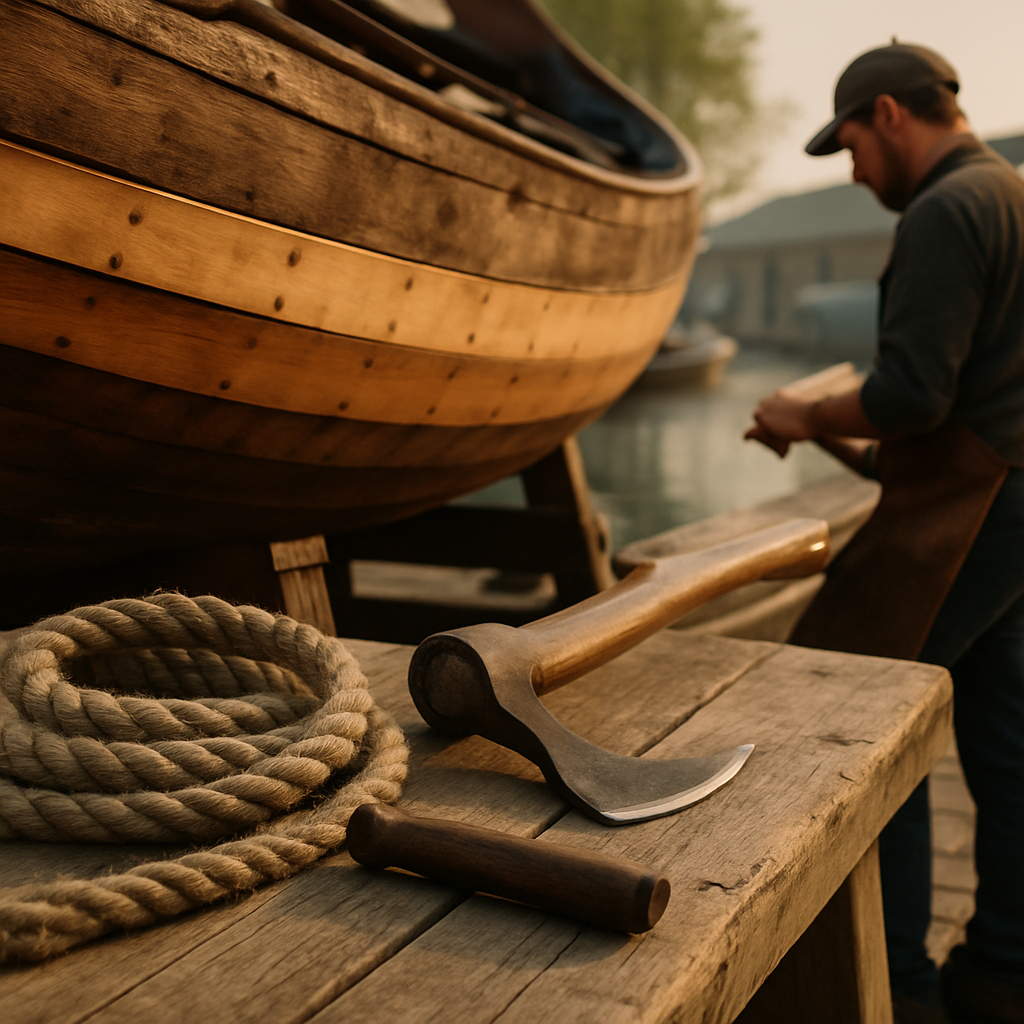
Timber is the backbone of traditional boatbuilding. When I say backbone, I mean everything from the keel that breathes life into the hull to the delicate trim that makes people stop and stare. The first rule? Match the timber to the job. You wouldn’t use a butter knife to chop wood, and you shouldn’t use a soft, unstable species for a keel. Practical, right?
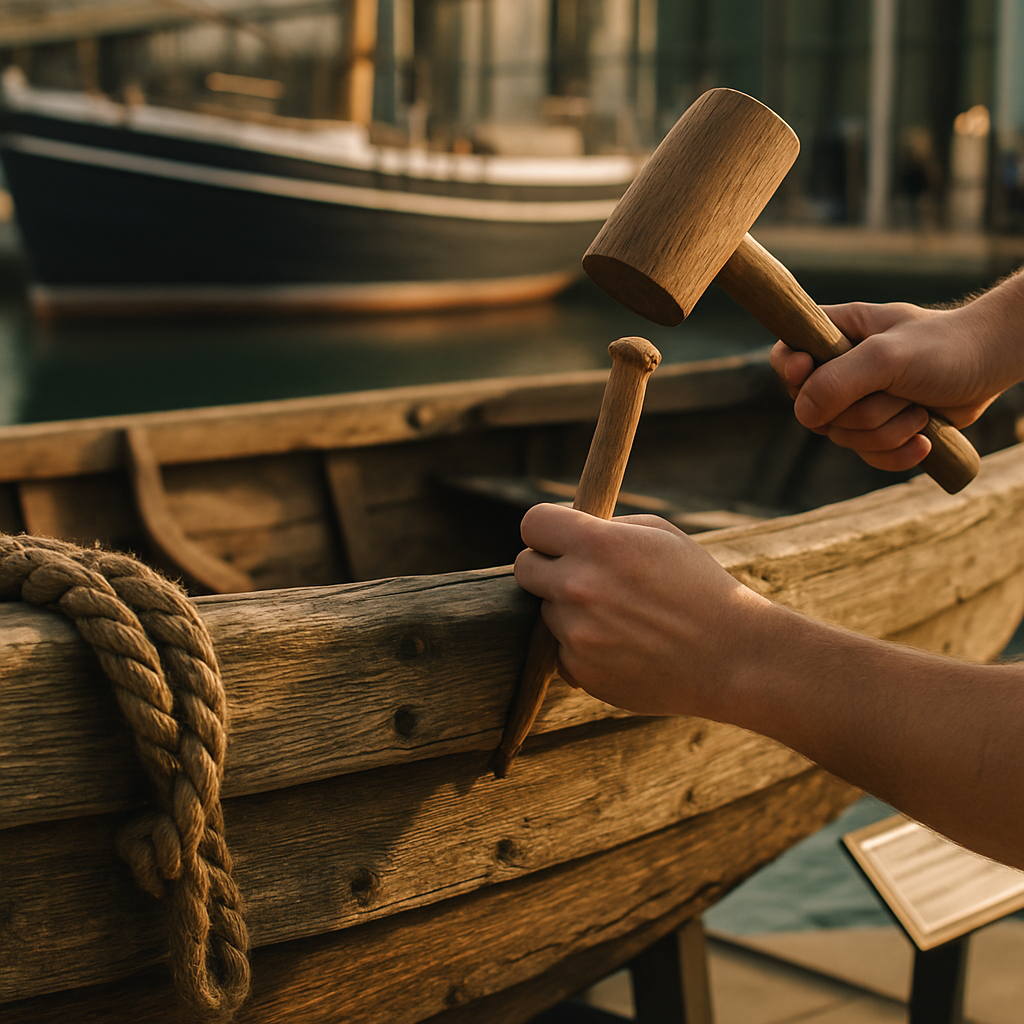
If you’re curious about how seams are made watertight and how historic vessels were kept shipshape, take a deeper look at practical maintenance techniques. For builders and restorers alike, knowing the right methods for filling and sealing seams makes all the difference; explore Caulking, Sealing, and Historic Vessel Maintenance to see step-by-step approaches that marry authenticity with longevity and to understand why certain timbers perform best with particular sealing methods.
Fastenings hold stories as much as they hold planks—traditional lashing, stitching and fastening methods shaped craft across continents and eras. Whether you’re working on a small skin-on-frame boat or a full-sized clinker or carvel hull, familiarizing yourself with traditional joinery reduces corrective work later on; check materials and techniques in Lashing, Stitching, and Fastening Methods for practical tips on selecting compatible fasteners and on preserving historic assembly methods.
Finally, it’s helpful to step back and see the complete process: how species, milling, drying and joining all interact in a finished hull. For an overview that ties species selection to construction technique and lifecycle care, the museum’s resources on Traditional Boat Construction Techniques provide a comprehensive guide that complements timber sourcing decisions and helps you plan projects with both authenticity and sustainability in mind.
What to prioritize when choosing timber
Before you order a truckload of boards, answer a few questions: Where will the boat operate? Is the project a faithful restoration or a functional modern build? Are you working to a budget? Your answers shape decisions on species, cuts, and treatments.
- Strength and stiffness—essential for structural members like keel and frames.
- Rot resistance—critical for parts exposed to wet-dry cycles and saltwater.
- Bendability and grain—important for steam-bent frames and planking.
- Workability—some woods take fastenings and plane cleanly; others fight you.
- Appearance—costume versus craft; do you want varnish that sings, or hidden structure?
- Availability and traceability—can you replace it in five years if needed?
Common mistakes to avoid
Buy locally without checking quality. Assume cheaper timber is “good enough.” Ignore moisture content. These are classic errors. Timber that looks fine in the yard can warp, twist, or split once it’s shaped into a hull if you skip inspection and seasoning.
Historic Timber Types Used in Ocean Voyages and Local Waters
Across centuries and seas, certain trees earned reputations as boatbuilding staples. Different regions used what was abundant and reliable, and those choices shaped both seafaring capability and cultural craft traditions.
| Species | Notable Qualities | Typical Uses |
|---|---|---|
| Oak (Quercus spp.) | Dense, rot-resistant, takes fastenings well | Keels, frames, knees |
| Teak | Oily, naturally weatherproof, beautiful grain | Decking, planking on tropical craft |
| Douglas Fir | Long, clear lengths; excellent strength-to-weight | Masts, spars, keelsons |
| Western Red Cedar | Light, stable, great for small boats | Canoes, kayaks, light planking |
| Larch | Tough, rot-resistant, works well with fasteners | Planking, sheer strakes |
| Mahogany | Stable, easy to finish, attractive | Interior joinery, cabinetry, fine trim |
Think of this as a quick map: oak and larch for brute strength, teak and mahogany for weatherproof beauty, cedar for featherweight stability. But context matters—what worked for a Norse longship differs from what Caribbean boatwrights used.
Regional traditions and why they mattered
In cold northern waters, durability and the ability to take heavy iron fastenings were essential. In the tropics, oils and natural rot resistance mattered more. Coastal craft built from local woods also reflect availability, economy, and local craftspeople’s accumulated wisdom. That’s why matching provenance matters in restorations—it’s history in wood.
From Forest to Fleet: The Sourcing Journey Behind Maritime Craft
Timber sourcing is a journey with many stops. Each one affects the timber’s final performance. Don’t skip the checkpoints.
Step 1 — Choosing the right tree
Good boat timber often starts with a single, well-chosen log. Look for straight grain, few knots, and the right diameter. The tree’s growth rate influences ring density—slow-grown timber tends to be denser and more stable.
Step 2 — Harvesting and extraction
Low-impact harvesting reduces damage to surrounding trees and soils. Selective logging practices are better than clear-cutting, and they help maintain ecosystem health. If you’re sourcing specialty timber, build a relationship with sawyers who understand boat timber requirements.
Step 3 — Milling choices matter
How a log is sawn changes how it behaves. Quarter-sawn lumber offers superior dimensional stability and predictable shrinkage—perfect for structural members. Plain-sawn yields wider boards and a different grain aesthetic but can be less stable. Discuss end use with your miller.
Step 4 — Transport, storage, and traceability
Protect green timber from rapid drying, staining, and contamination. Proper stacking with stickers improves air circulation. Also, keep records: species, origin, date of milling and drying method. For museums and restorations, that paperwork is gold.
Step 5 — Reclaimed and veteran timbers
Salvaged beams, old ship planks, or building timbers can be rich in character and often more stable. But they require careful inspection for hidden damage, previous treatments, or embedded metal. Reclaimed timber has a lower environmental impact and tells a story—something museums and restorers love.
Seasoning, Drying, and Treating Timber for Longevity and Authenticity
Drying is where patience pays off. Rushing this step invites warping and disappointment. Let’s walk through tried-and-true methods, and note how traditional practices blend with modern science.
Air-drying vs kiln-drying
Air-drying is gentle and traditional. It can take months or years depending on thickness. Kiln-drying speeds things up and allows precise moisture control, but it must be done correctly to avoid internal stresses. Many boatbuilders use a combination: air-dry initially, then a controlled kiln finish.
Target moisture content and acclimatization
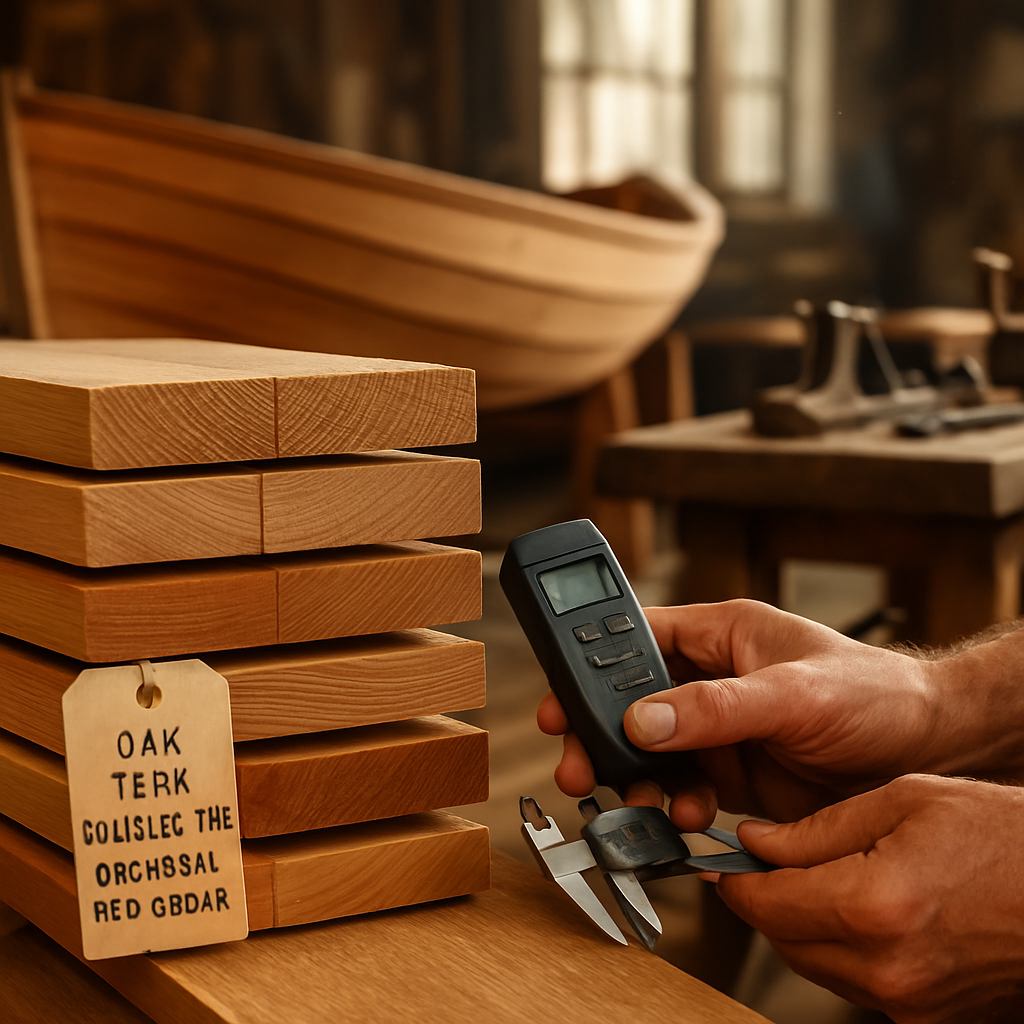
For most marine applications, aim for a moisture content (MC) around 8–12%, though this depends on the boat’s environment. After drying, let timber acclimatize in the workspace so it won’t surprise you during planking or joinery.
Treatments—traditional and modern
Traditional treatments—tar, pitch, linseed oil—worked well historically and still have a place for authenticity and charm. Modern preservatives like boron-based treatments protect against fungi and insects. Whatever you choose, think long-term: treatments should be compatible with fasteners, finishes, and the boat’s intended use.
Fastener compatibility
Metals and wood react. Copper alloys, iron, stainless steel—they all have pros and cons. For example, copper can corrode iron if they contact each other in the wrong conditions. Pair your timber treatment and fastener material to minimize corrosion and staining.
Ethical Sourcing and Sustainability in Maritime Heritage
Wooden boats are beautiful, but timber must be sourced responsibly. As stewards of maritime heritage, you have choices that affect forests and communities. You don’t have to sacrifice quality to be ethical.
How to source responsibly
- Seek certified timber (FSC or equivalent) when possible—this supports responsible forest management.
- Use reclaimed wood for non-critical parts to reduce demand for virgin old-growth timber.
- Work with local sawmills to lower transport emissions and support local economies.
- Document provenance and processes—this transparency matters for museums, donors, and future care of the vessel.
Respect and partnership with communities
Indigenous communities often hold valuable knowledge about local species and sustainable harvest. Collaborate respectfully—acknowledge expertise, share benefits, and ensure practices respect cultural traditions.
Alternatives and compromises
Sometimes, a judicious compromise serves both ecology and craft: engineered timbers or sustainably produced hardwoods for hidden structural parts, paired with authentic species for visible surfaces. That way, you keep the look and feel without depleting scarce stocks.
AC Museum’s Approach: Showcasing Authentic Timber and Construction Methods
At AC Museum, timber is more than material—it’s a storyteller. The museum’s approach blends conservation, education, and practical craft demonstration. If you visit, you’ll see not only the finished boats but also the processes that made them.
How AC Museum practices and demonstrates best sourcing
- Provenance-first restorations: Wherever possible, restorations use species matching the original build. Records are kept meticulously.
- Workshops and live demonstrations: Visitors can watch planking, steaming, and caulking in progress—seeing timber behavior live is priceless.
- Partnerships for sustainable sourcing: The museum works with local mills, conservation groups, and craftspeople to secure ethically harvested wood.
- Interpretive storytelling: Labels and tours explain why a ship used oak or teak, why a frame was steam-bent, and how seasoning affects performance.
- Reclaimed timber exhibits: Special displays show how salvaged wood gets new life and new context.
Why this matters to you
Understanding AC Museum’s rationale gives you a blueprint: document provenance, favor sustainable choices, and prioritize techniques that extend life. Whether you’re restoring your family’s launch or just admiring historic vessels, these choices help keep maritime heritage alive.
Practical Checklist: Timber Selection and Sourcing for Boats
Here’s a no-nonsense, actionable checklist you can use right away.
- Define the function for each timber element (keel, frame, planking, trim).
- Choose species based on function, not just appearance.
- Ask your supplier for provenance and milling records.
- Prefer quarter-sawn for stability when possible.
- Plan drying time into your schedule—don’t rush it.
- Pair fasteners and treatments thoughtfully to avoid corrosion.
- Use reclaimed or certified timber to reduce environmental impact.
- Document every decision—future conservators will thank you.
FAQ — Common Questions About Timber Selection and Sourcing for Boats
1. What timber species are best for keels, frames, and planking?
Keels and major structural frames favor dense, straight-grained timbers like oak or elm because they resist compression and take fastenings well. For planking, choose species that bend cleanly and resist rot—larch, pitch pine, teak, or certain cedars, depending on your climate and historical accuracy. If you’re restoring an historic vessel, matching the original species when possible gives the best interpretive result.
2. How should I season and dry timber for boatbuilding?
Start with air-drying to reduce stress slowly, then consider a controlled kiln finish for predictable moisture content. Stack with stickers for airflow, keep wood sheltered from rain and sun, and allow boards to acclimatize in your workshop before final cutting. Rushing drying invites warping and hidden cracking—plan time into the project.
3. What moisture content should timber have before I work with it?
A good target for most marine components is roughly 8–12% MC, adjusted for the boat’s typical environment—higher for permanently humid sheds, lower for dry indoor storage. Always acclimatize timber to the local workshop conditions so you don’t get surprises during fitting and fastening.
4. Can reclaimed timber be used for structural parts?
Yes—reclaimed timber often brings stable heartwood and beautiful patina, but inspect it carefully for hidden rot, embedded metal, previous chemical treatments, or insect damage. Have large timbers graded or checked by a professional if they’ll carry major loads, and document any treatments you apply afterward.
5. How do I find sustainable and legal timber sources?
Work with certified suppliers (FSC or equivalent), partner with local sawmills, and request origin documentation. Consider reclaimed wood where appropriate and favor suppliers who can demonstrate responsible forest management and chain-of-custody records. Building these relationships also helps when you need specific cuts or long clear lengths.
6. What treatments balance preservation and historical integrity?
Traditional options—tar, pitch, and oils—preserve authenticity and can be effective for exposed elements. Modern preservatives, like boron-based treatments, offer excellent protection against fungi and insects for hidden timbers. For museum work, prioritize reversible, documented treatments and consult conservators when in doubt.
7. How do fasteners and timber treatments interact?
Some timbers and treatments accelerate corrosion in certain metals: copper alloys can cause iron to corrode under the wrong conditions, and oily woods may complicate gluing. Choose fasteners (bronze, silicon bronze, stainless steel) that are compatible with both the timber species and any preservatives you use, and always allow for drainage and ventilation where possible.
8. When should I choose quarter-sawn over plain-sawn timber?
Quarter-sawn timber gives superior dimensional stability, predictable shrinkage, and attractive straight grain—great for frames, floors, and timbers that must hold precise shapes. Plain-sawn yields wider boards at lower cost and can be fine for visible planking or trim where movement is less critical.
9. How do I balance historical authenticity with sustainability?
Use authentic species for visible or critical structural elements that define the vessel’s character, and substitute certified or reclaimed timber for hidden parts or non-critical pieces. Document your choices so future conservators understand the ethical and practical reasons behind them.
10. Where can I learn traditional techniques like caulking, lashing, and seam sealing?
Hands-on learning is best—visit workshops, join local boatbuilding clubs, or attend museum demonstrations. AC Museum’s resources on Traditional Boat Construction Techniques, as well as specific guides on Caulking, Sealing, and Historic Vessel Maintenance and Lashing, Stitching, and Fastening Methods, are excellent places to start and will point you to local classes and restoration projects.
Final Thoughts
Timber selection and sourcing for boats is both science and craft. It’s part engineering, part history, and part stewardship. When you choose timber well, you’re not only building a boat—you’re building a legacy. Whether you’re carving a new tender or restoring a century-old cutter, take the time to know your wood, trace its origins, and treat it with respect.
If you’re near the waterfront, stop by AC Museum. See timber choices in action, ask questions, and watch craftspeople turn rough-sawn planks into living history. You’ll leave with a better eye for timber and maybe a want-to-build itch you didn’t know you had—trust me, that’s the best kind of trouble.