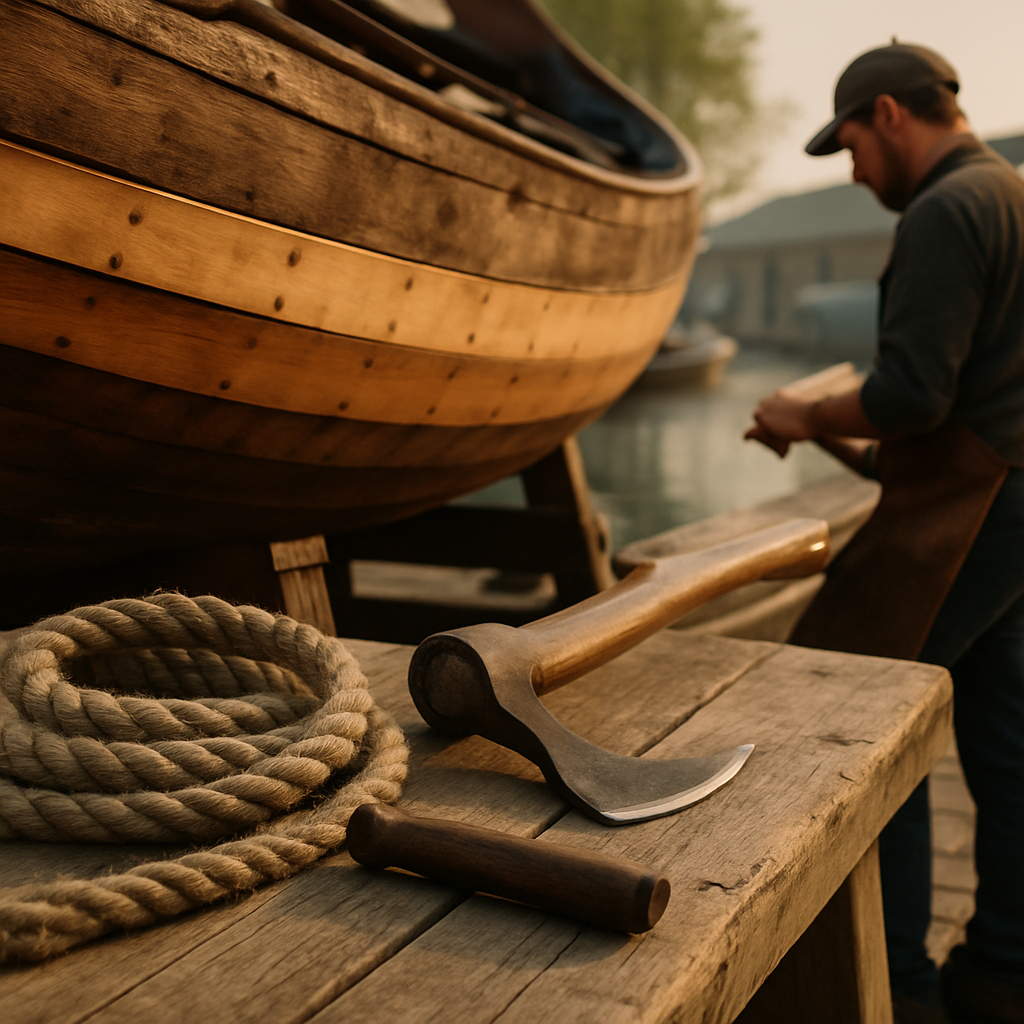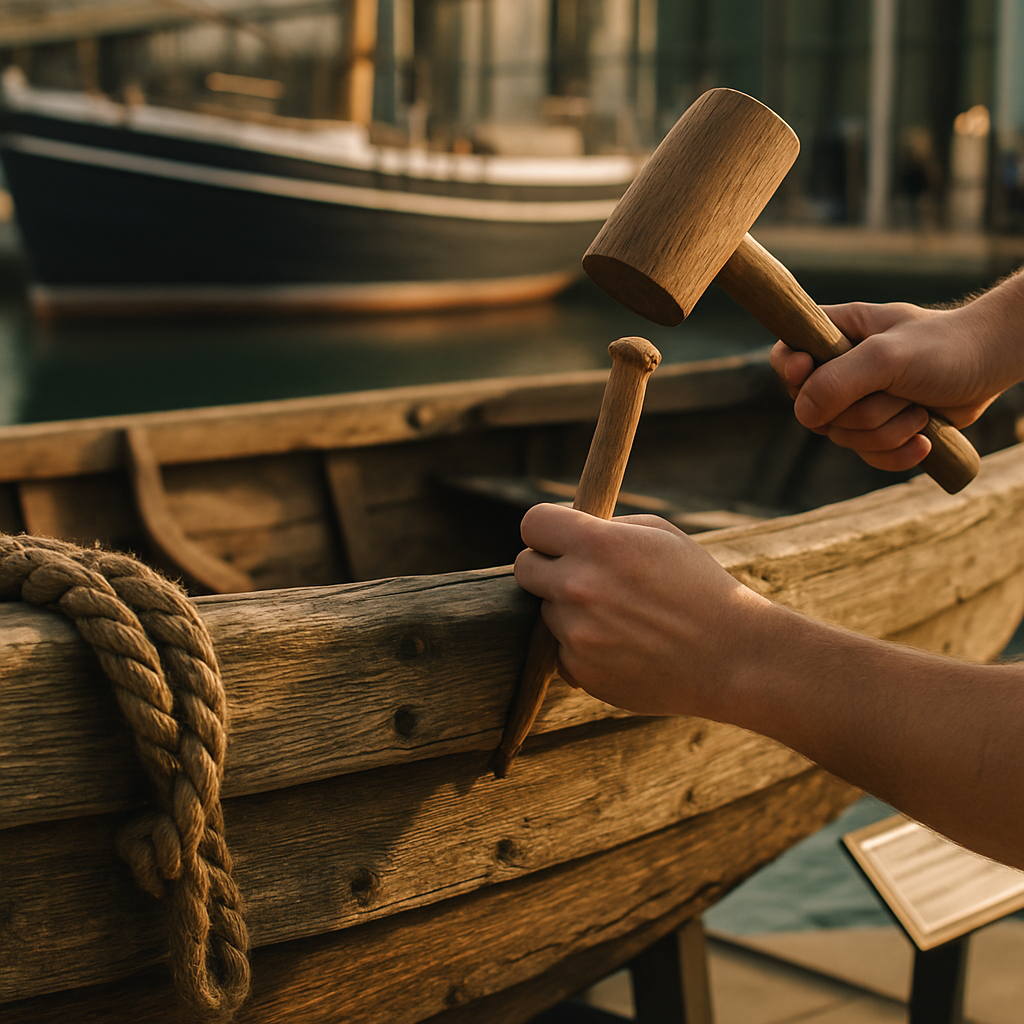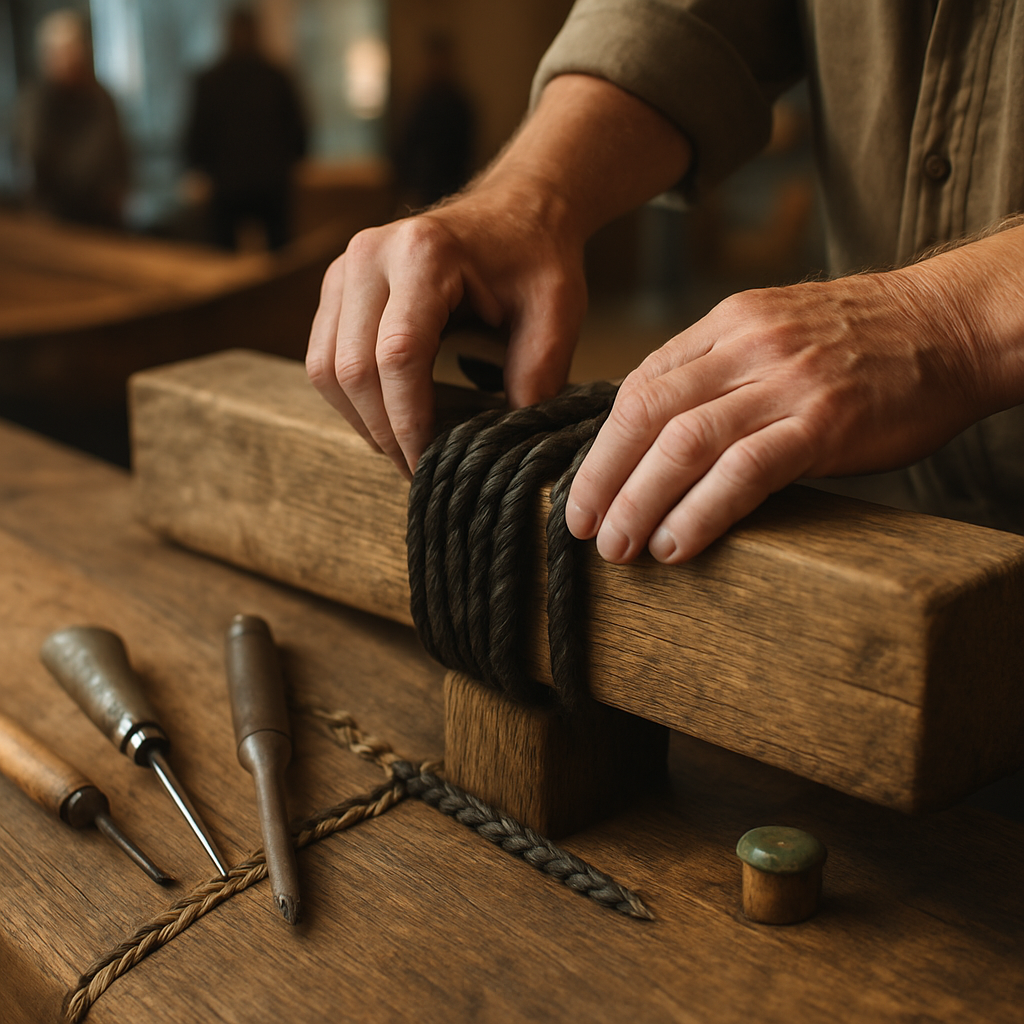
Imagine running your hands along the worn timbers of a 19th-century workboat, feeling the slight give where ropes have been lovingly wrapped and retreated for generations. That tactile connection — the smell of tarred hemp, the rhythm of a sailmaker’s stitch — is the sort of living history you can explore at AC Museum. In this piece you’ll discover why Lashing, Stitching, and Fastening Methods are more than technical tricks; they’re the stories, choices, and problem-solving that kept people afloat, moved trade, and shaped coastal communities. You’ll get practical tips, historical context, and an insider’s look at how the museum preserves and teaches these crafts. Ready to dive in?
If you want to understand how lashings and stitches work together with more rigid joinery, take a look at our practical resources such as Joinery for Wooden Boat Building. That guide expands on mortise-and-tenon, scarf, and half-lap joints that often complement lashings, and it explains why a good joint can make maintenance easier. It’s a useful reference for anyone trying to balance historical authenticity with structural longevity in a restoration or replica project.
Choosing the right timber matters as much as picking the right knot; our overview on Timber Selection and Sourcing for Boats digs into species, seasoning, and sustainable sourcing. Learn how local availability shaped historical techniques and why certain woods were paired with treenails or copper fastenings. The piece also covers modern substitutes and ethical sourcing, a must-read if you plan to build or conserve wooden craft while minimizing environmental impact.
For a broader perspective, explore our summary of Traditional Boat Construction Techniques, which ties together stitching, lashing, fastenings, and joinery into a single narrative of regional practice. That resource lays out how communities adapted methods to local seas, materials, and needs, showing readers how different techniques coexist on the same vessel. It’s particularly helpful for understanding cultural context and how certain solutions evolved over time.
Lashing Techniques in Historic Boat Construction: An AC Museum Showcase
At first glance, a lashing looks simple: a rope looped and knotted. But the best lashings are clever, engineered with materials and purpose in mind. At AC Museum we show how lashings were the Swiss Army knife of traditional mariners — used to assemble, adjust, and repair everything from outriggers to masts. Lashings offered flexibility that rigid fasteners could not, especially on vessels built to bend and flex with the sea.
Why lashings persisted for centuries
Lashings remained popular because they were repairable at sea, used local materials, and provided shock absorption. When a hull flexed under wave action, a lashing could move with it instead of cracking a joint. On smaller craft and indigenous boats, lashings were often the primary method of joining components, not a makeshift alternative.
Examples you can see at AC Museum
Walk through our galleries and you’ll spot square lashings on a traditional raft frame, diagonal lashings on an outrigger assembly, and selvedge lashings securing a boom to its spar. We explain the different wrapping patterns and show how lashings were tarred or greased to resist rot and chafe.
Quick lashing how-to for enthusiasts
If you want to try a basic square lashing: cross two spars, wrap three tight turns around them, weave a clove hitch to secure, then two frapping turns to draw the turns tight. Don’t overtighten on thin poles — you’ll crush the wood. Practicing this on scrap wood helps you learn tension and rhythm.
Stitching the Seams: Traditional Boat-Building Craft at AC Museum
Stitching, or sewn-plank construction, is a beautiful solution where planks are literally sewn together. Unlike metal-fastened hulls, sewn boats often have a flexible integrity — ideal for certain seas and uses. AC Museum preserves examples from the Pacific islands, the Baltic, and Mediterranean working boats, showing subtle differences in technique and material choice.
How stitching creates a watertight hull
Stitching begins by shaping planks with flanges or drilling through-bolts holes along plank edges. Cordage is threaded between opposite planks and pulled taut to draw the seams together. While temporary stitches can be removed after caulking, some traditions left the cords in place and protected them with pitch. Choosing the right cord — hemp, coir, or modern alternatives — changes the durability and elasticity of the seam.
Practical demonstration: what you’ll learn in a workshop
In our hands-on sessions you’ll mark stitch spacing, thread synthetic and natural cordage, and apply caulking to seal a practice seam. You’ll notice how different tensions alter the hull shape. It’s messy, honest work, and the kind of skill that reveals why a single stitch pattern can identify a cultural tradition.
Fastening Methods Across Maritime History: From Hemp Lashings to Copper Nails at AC Museum
Fastening methods map the evolution of both material science and seafaring needs. At AC Museum we compare organic lashings and stitching with metal fasteners — each choice tells a story about local resources, technology, and the intended life of the vessel.
Major fastening types and when they were used
For small craft and flexible hulls, treenails (wooden pins) and stitching were common. Larger vessels required the strength and permanence of metal: wrought iron nails, copper clinch nails, bronze bolts, and rivets. Copper and bronze were prized in saltwater because they resisted galvanic corrosion better than iron, which could deteriorate rapidly in marine environments.
Inspecting a fastening in person
When you examine fastenings up close at the museum, look for the patina on copper, the mushroomed head of a clinched nail, or a treenail’s tight fit with the planking. These visual clues tell you whether a joint was designed for longevity, reparability, or quick replacement during hard service.
Material choice and climate
Coastal communities with abundant timber leaned on treenails and lashings, while industrialized ports adopted metal fasteners as iron production increased. In hot, humid climates where rot sets in quickly, sailors preferred materials and treatments that minimized maintenance or allowed fast, at-sea repairs.
The Role of Lashings in Rigging and Mooring: A Deep Dive at AC Museum
Lashings were not only used in building hulls — they were the everyday workhorses of rigging and mooring. At AC Museum we present rigging diagrams, recreated gear, and hands-on stations so you can feel how sail handling and quayside work relied on knots and lashings.
Rigging: flexible, adjustable, forgiving
A boom held with a lashing can pivot freely; a mast partner lashed into place can be adjusted during trials. Lashings are invaluable where movement is expected or where a rigid fitting would introduce weak points. Sail reefing systems often used lashings and ties that could be rapidly added or removed under load.
Mooring and emergency use
On the dock, lashings secure fenders and protect hulls from chafe. At sea, jury-rigged lashings can convert spare spars into a temporary rudder or towing setup. The museum’s emergency-repair displays show quick lashings used in storms — practical improvisation born out of necessity.
Materials and Tools Behind Historic Fastening: Marlinspikes, Needles, and Dowels at AC Museum
No craftsmanship without tools. Our tool cabinets are full of marlinspikes for splicing, sailmaker’s needles and palms for heavy stitching, augers for treenails, and riveting hammers for metalwork. Each tool reflects a problem it was meant to solve — and the human hands that wielded it.
Right material for the right job
Hemp and manila were once the backbone of cordage. They’re flexible and strong but rot-prone unless tarred. Coir resists saltwater better but can be stiffer. Copper and bronze offered corrosion resistance; wrought iron offered strength but needed protection. Treenails, typically made of dense hardwood, swelled when wet to create a tight joint without metal.
Tools in action: what to handle at the museum
Try a marlinspike to loosen a knot. Feel a palm thimble as you push a heavy needle through canvas. Use an auger to bore a pilot hole for a treenail. These tactile experiences help you understand why certain fastenings were chosen and how the craftsman’s skill mattered as much as the raw material.
Conservation-friendly tool use
Modern conservators often prefer working on replicas with original tools to avoid stress on historic objects. It’s a sensible approach: you learn the technique without risking the artifact itself.
Preserving Maritime Heritage: How AC Museum Demonstrates Lashing, Stitching, and Fastening
Preservation at AC Museum is a blend of science, craft, and storytelling. We conserve objects so they survive, but we also teach people how these items were used — because techniques are part of the cultural fabric. Without that passing of knowledge, an artifact is a dead object rather than a living testimony.
Conservation strategies
We use climate control to limit wood movement and slow textile decay. Treatments are reversible where possible. We monitor metal fasteners for electrochemical activity, because a corroding nail can rot surrounding timber. Sometimes, the best way to preserve the original is to build a faithful replica for display or teaching while the original remains in controlled storage.
Education and living skills
Workshops are central to our mission. From beginner stitch-and-caulk days to multi-week apprenticeship programs, we teach practical skills and the reasoning behind them. The point isn’t nostalgia; it’s to equip people with an understanding of how material properties and technique interact — insight that’s surprisingly useful for modern makers and conservators.
Stories behind the objects
Each stitching pattern, each type of nail, often links to a place and a story: a fishing community’s quick-repair methods, a boat-builder’s signature knot, or a wartime adaptation that saved lives. The curators and volunteers love telling those stories — and you’ll hear them when you visit.
Comparing Methods: Quick Reference Table
| Method | Advantages | Best For |
|---|---|---|
| Stitching (sewn-plank) | Flexible, light, repairable | Small craft, traditional boats |
| Lashings | Absorbs shock, adjustable, field-repairable | Rigging, outriggers, temporary joints |
| Treenails (trunnels) | Non-corrosive, swells tight when wet | Ship planking, historical builds |
| Metal nails & rivets | Durable, strong for heavy-duty hulls | Larger ships, fittings, hardware |
Practical Tips for Enthusiasts and Model Builders
Want to try your hand at historic techniques? Great — but start carefully. Here are practical tips we give to museum visitors and workshop participants. They’ll save you time, frustration, and a few splinters.
Getting started
Work small. Use scrap wood and short lengths of cord to practice. Try different materials so you understand the feel of hemp versus synthetic rope. Document each attempt with photos; you’ll be amazed how much more you learn when you can compare progress.
Material selection
If you want authenticity, use natural fibers like hemp or manila and consider tarred cordage where moisture is an issue. For display pieces that must last without maintenance, choose modern synthetic cordage that resists UV and rot — just be aware it behaves differently when tensioned.
Safety and etiquette
When attending a museum workshop, follow safety guidance. Heavy needles, marlinspikes, and augers are tools, not toys. Respect the artifacts: do your practice on replicas. And don’t be shy to ask questions — our boatbuilders love to share practical shortcuts and stories.
Frequently Asked Questions — Lashing, Stitching, and Fastening Methods
Q: Are stitched (sewn-plank) boats seaworthy for open-water use?
A: Yes. Many historic sewn-plank boats were designed specifically for open-water voyages. When properly built and sealed, stitched hulls are flexible and resilient, which can be an advantage in choppy or surf-exposed waters. If you’re considering building or restoring a sewn boat, attend a workshop first to learn tensioning, cord choice, and effective caulking. These details determine whether the hull performs well at sea.
Q: How long do traditional lashings last, and how often should they be replaced?
A: Lifespan varies widely depending on exposure, material, and treatment. A tarred hemp lashing in a sheltered environment might last many years, but in constant salt spray it may require seasonal inspection and replacement. Regular maintenance—checking for chafe, re-tarring, and re-tensioning—is essential. In historic practice, lashings were part of the routine care, replaced whenever wear or rot appeared rather than on a strict calendar.
Q: What are treenails (trunnels), and why were they so widely used?
A: Treenails are wooden pins used to fasten planks to frames. They swell when wet, tightening the joint without metal. Treenails were economical in timber-rich regions and avoided the galvanic corrosion issues that metal fasteners can cause. For historically accurate restorations or where corrosion is a concern, treenails remain an excellent choice.
Q: When should I choose copper or bronze fasteners over iron?
A: In saltwater environments, copper and bronze resist corrosion much better than iron. Use copper or bronze for planking fastenings, bolts near the waterline, and fittings exposed to spray. Iron is strong and cost-effective but needs protective coatings and careful monitoring for rust if used near saltwater. Museums often display examples showing why builders selected one metal over another.
Q: Can I learn these methods at AC Museum, and what courses do you offer?
A: Yes. AC Museum runs workshops from beginner stitch-and-caulk sessions to multi-day treenail and fastening courses. We also host classes on historic rigging and emergency repairs. Check our events calendar for dates and enroll early—spaces fill quickly for hands-on experiences taught by experienced shipwrights and conservators.
Q: How do conservators treat corroded metal fasteners without damaging the surrounding wood?
A: Conservation aims to stabilize corrosion and protect adjacent material using minimally invasive, reversible techniques. Treatments include controlled desalination, electrochemical reduction where appropriate, and consolidants to support weakened wood. Conservators may remove a severely corroded fastener and replace it with a replica while documenting the process thoroughly so the original’s history remains recorded.
Q: What tools do I need to start practicing historic stitching and lashings?
A: Start with a few essentials: a marlinspike for splicing and tightening, a heavy sailmaker’s needle and palm for stitching, and a good quality awl or auger for pilot holes. For lashings, a selection of cordage (hemp, tarred rope, and a modern synthetic for trial) and a set of basic hand tools like mallet and saw are useful. Join a supervised workshop to learn safe tool use before attempting complex work.
Q: Where can I source appropriate timber and cordage for authentic builds?
A: Local timber suppliers, reclaimed timber yards, and specialist boatbuilding merchants are good starting points. Our Timber Selection and Sourcing for Boats guide explains species, seasoning, and ethical sourcing. For cordage, look for suppliers that offer natural fibers like hemp or manila, and consider tarred options for outdoor use. Sustainable sourcing is increasingly important—ask suppliers about provenance and certification.
Q: How can I identify different stitching patterns or lashing styles on historic boats?
A: Stitch patterns and lashing styles often reflect regional traditions. Look at hole spacing, cord thickness, and finishing—Pacific sewn boats differ from Mediterranean sewn examples in hole placement and cord treatment. Lashings show variation in wrapping count, frapping turns, and finishing knots. Visiting museums like AC Museum and attending interpretation sessions help you recognize these signatures and understand their cultural context.
Q: Are synthetic materials acceptable for restorations and model-building?
A: For display models or low-maintenance reproductions, synthetic cordage and modern adhesives offer longevity. However, for historically accurate restorations, natural materials are preferred when possible. The choice depends on the project’s goals: preservation of original methods, practical use, or museum display. Consult conservation guidance and, when in doubt, test on replicas first.
Conclusion: Why Lashing, Stitching, and Fastening Methods Still Matter
Lashing, stitching, and fastening methods are practical answers to practical problems, shaped by geography, material availability, and human ingenuity. They represent centuries of accumulated knowledge — lessons in durability, adaptation, and economy. At AC Museum, you can study the artifacts, try the techniques, and hear the stories behind each knot, stitch, and nail. Whether you’re a maker, a modeler, or someone curious about how boats once came together, these methods offer a tactile, human connection to maritime history.
So next time you visit a waterfront — or AC Museum itself — stop and look closely. Touch the timber (where allowed), listen to the stories, and maybe try a square lashing. You’ll walk away with more than a new skill: you’ll carry a piece of the boatbuilder’s mindset — practical, resourceful, and wonderfully hands-on.