Maritime Culture and Heritage at AC Museum
Imagine stepping onto a sun-warmed dock where the smell of salt, oiled timber, and old rope tells you a story before a single word is spoken. That’s the welcome you get at AC Museum—an immersive place where Maritime Culture and Heritage isn’t just a label on a plaque, but a living, breathing experience. If you’re curious about how boats shaped towns, livelihoods, and entire ways of thinking, you’re in the right spot. AC Museum invites you to look, touch, and ask questions. You’ll soon see why maritime history feels so personal: it’s about people, weather, stubborn craft, and the occasional bit of luck.
To plan your visit or learn more about the museum’s mission, visit acmuseum.com for up-to-date information and events. Discover how community celebrations keep maritime traditions alive on the museum’s detailed page about Folk Traditions and Maritime Festivals, which highlights seasonal gatherings, music, and craft fairs. For a deeper look at how shipping lanes shaped cultural connections, their essay on Maritime Trade Routes and Cultural Exchange offers maps and narratives that illuminate global patterns. Curators at AC Museum also publish insights that bridge scholarship and public engagement—see Museums, Curation, and Public Maritime History for examples of exhibit practices and outreach. Technical readers and modelers will appreciate discussions on form and function in Naval Architecture in Cultural Context, which links design choices to cultural imperatives. Finally, personal stories animate the displays; explore life on the waterfront through oral histories at Seafaring Lifestyles and Community Structures, where individual experiences give broader trends a human face.
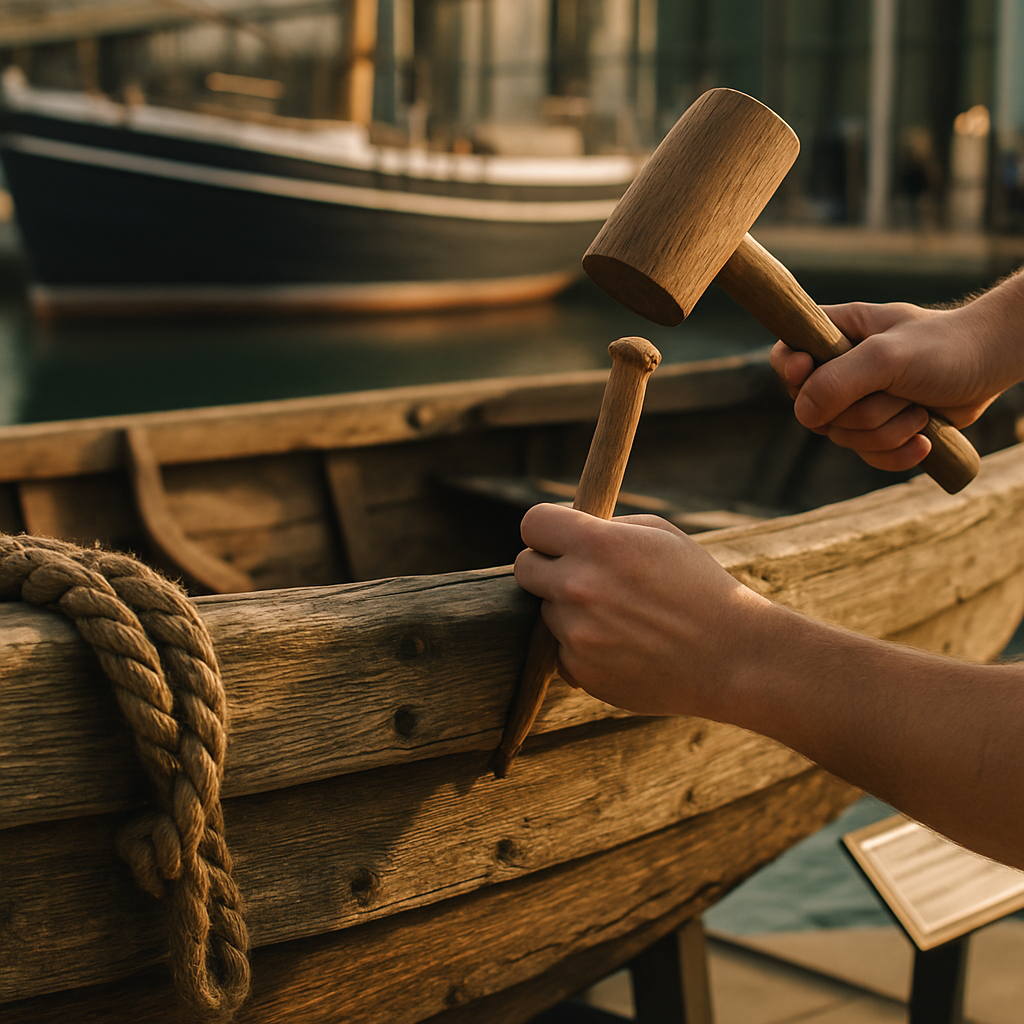
Attention (you’re in): The museum catches your eye the moment you arrive—weathered hulls and tools set against a waterfront backdrop. Interest (you want to know more): Inside, stories unfold about voyages, small harbor economies, and the hands that built boats. Desire (you feel connected): You’ll find yourself caring about a shipwright’s choices and the way a particular hull responded to a stubborn sea. Action (you can take part): Workshops, tours, and volunteer opportunities mean this isn’t passive museum-going—it’s being part of maritime culture and heritage.
AC Museum’s mission centers on preserving maritime traditions while making them relevant for today. That includes conserving historic vessels, teaching traditional boat-building techniques, curating exhibits that connect local stories to global trends, and offering resources for learners of all ages. But beyond preservation, the museum asks you to consider what these traditions mean now: how do they influence coastal communities, tourism, and environmental stewardship? The answer unfolds through displays, demonstrations, and conversations with passionate staff and volunteers.
Preserving Traditional Boat-Building: Techniques and Tools
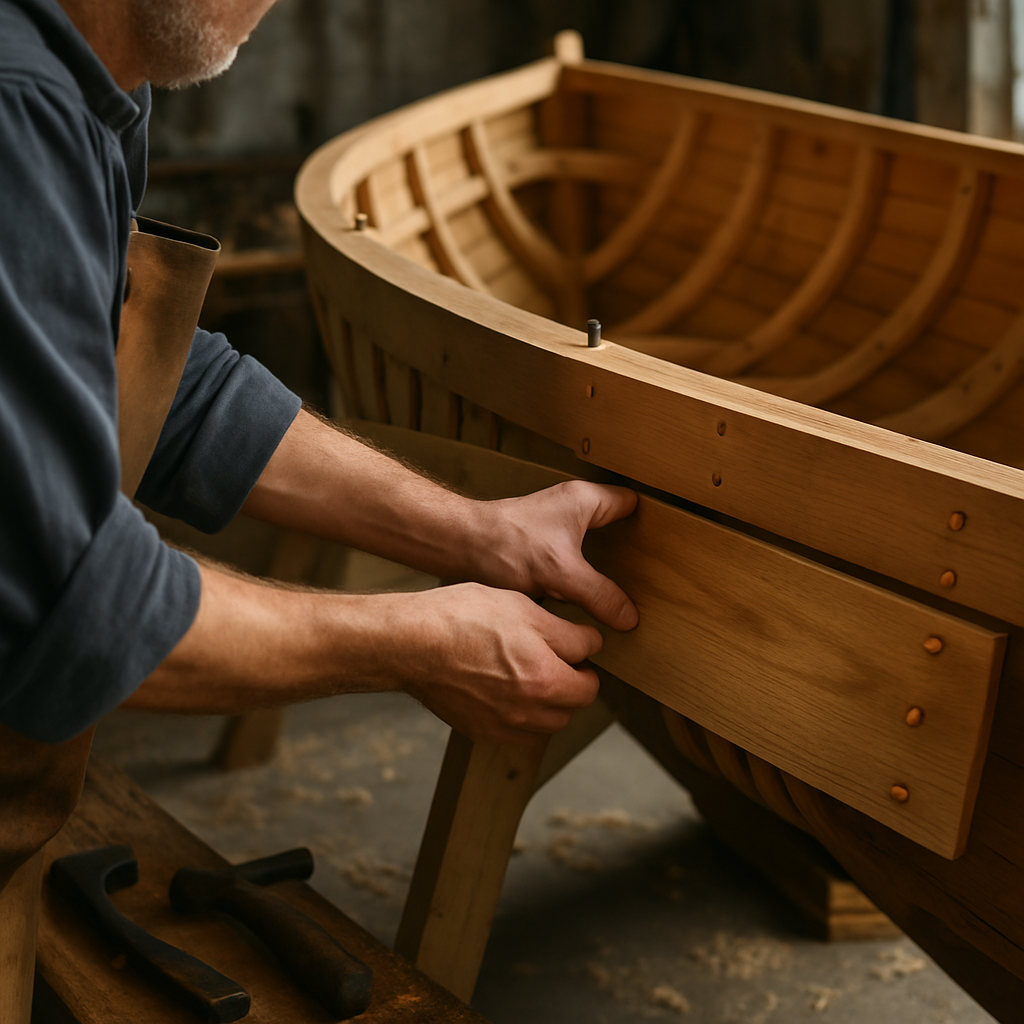
Traditional boat-building is where craft meets culture. At AC Museum, preservation isn’t just about storing timber under glass. It’s about reviving skills, understanding decisions made by past builders, and teaching techniques so they survive beyond a few photos or diagrams. When you see a partially restored hull in the workshop, you’re seeing layers of history: choices about materials, adaptations to local conditions, and often the fingerprints of several generations of builders.
Why techniques matter
Techniques tell stories. The way planks overlap or how frames are spaced reveals where a boat was built, what it was used for, and how sailors expected it to behave at sea. For example, clinker-built hulls (overlapping planks) are lighter and more flexible—great for choppy coastal waters—while carvel-built hulls (planks edge-to-edge) allow for sleeker lines and larger cargo holds. At AC Museum, these differences are shown side-by-side so you can see, quite literally, the logic of design.
Workshop highlights
- Live restoration bays: Watch craftsmen plan interventions, select timber, and fit replacement sections with traditional tools.
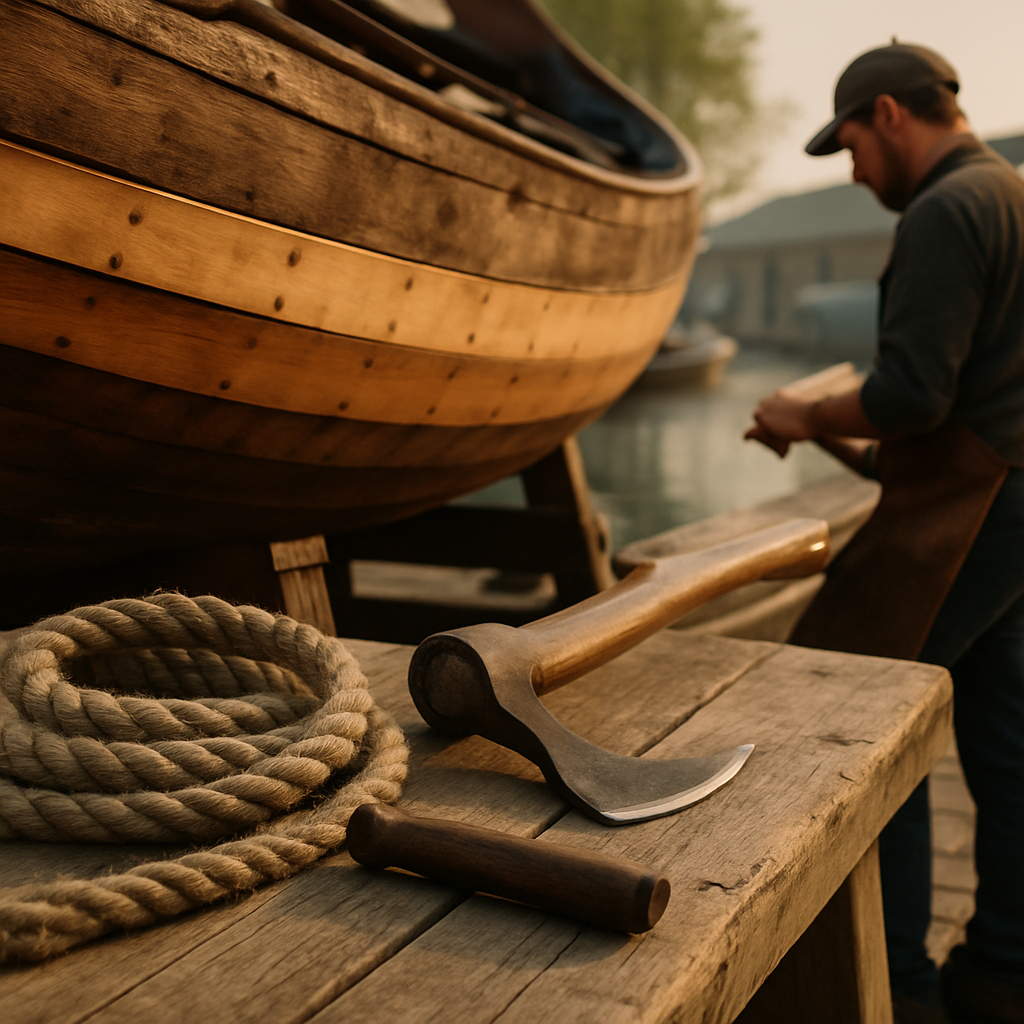
- Tool demonstrations: See adzes, caulking irons, drawknives, and lashed templates in action—tools that shaped boats for centuries.
- Hands-on sessions: Learn basic joinery, planking, and caulking under expert guidance—perfect for anyone who enjoys building with their hands.
Conservation at AC Museum balances authenticity with long-term survival. Sometimes modern materials are used discreetly to ensure a vessel lasts another fifty years; sometimes, strict historical accuracy is preferred for interpretive pieces. Either way, decisions are documented and shared because transparency matters—especially if you’re a future boat-builder or an enthusiast trying to understand the craft.
Historic Vessels: A Journey Through Maritime Heritage
Each boat in AC Museum’s collection is a chapter in a larger story. Vessels range from nimble dories that once hauled fish to robust schooners that carried cargo between ports. Together they map changes in technology, economy, and daily life. When you take a slow walk past the hulls, you’re tracing routes—literal and cultural—that linked communities and shaped livelihoods.
Notable vessels and what they teach us
| Vessel | Era | Lesson |
|---|---|---|
| Dory | 19th–20th c. | Economy of small-scale fisheries; resilience and repair culture. |
| Coastal Sloop | 18th–19th c. | Versatility in coastal trade and everyday navigation choices. |
| 19th-century Schooner | 19th c. | Long-distance coastal commerce and the rise of merchant fleets. |
| Early Motor Launch | Early 20th c. | Shift from sail to engine power, leisure culture emergence. |
But it’s not just about big, showy ships. Small, workaday boats often tell the most revealing stories: the places they fished, the markets they supplied, the families that repaired them over generations. AC Museum interprets these vessels in their social context. You’ll learn about seasonal rhythms, market demands, and the improvisations fishermen used to keep going—which is the human side of Maritime Culture and Heritage.
Stories behind the wood
Every scar in a hull has a backstory. Maybe a repair reveals a stormy season when a crew had to lash broken timbers together at sea. Maybe an owner’s initials carved into a thwart point to a family legacy of seafaring. Guides at AC Museum weave these details into tours—small anecdotes that make history feel immediate and personal. Expect to chuckle, to be surprised, and sometimes to feel a tug at the heartstrings when you hear about sacrifice and survival.
Engaging Exhibits and Expert Insights
An exhibit should do more than show—it’s got to invite you in. AC Museum understands this. Exhibits combine artifacts, multimedia, and interactive elements so the topic of Maritime Culture and Heritage becomes something you can explore with all your senses. This is especially helpful if you’re bringing kids or someone who thinks “history” is synonymous with boredom. Trust me—there’s nothing dull about a hands-on knot-tying station or an old sea chest full of tools.
What makes the exhibits engaging?
- Interactive stations: Try rope splicing, line-throwing simulations, or identify timber species by feel and grain.
- Oral histories: Listen to firsthand accounts from sailors, shipwrights, and dockworkers—voices that give texture to dates and designs.
- Comparative displays: See how a sail plan from one region differs from another—and why winds, cargo, and culture made those differences matter.
Expert insight is woven into everything. Curators, boatbuilders, and maritime archaeologists collaborate to interpret artifacts accurately and compellingly. They’re not just labeling objects; they’re telling you why those objects mattered, and why Maritime Culture and Heritage still matters. You’ll hear discussions about trade routes and social networks, and about the environmental changes that have shifted fishing grounds and harbor use over decades. Those are the big-picture threads that make every tiny artifact part of a larger tapestry.
Special programs and rotating displays
Expect the exhibits to change. Rotating displays highlight new research, community contributions, and special anniversaries. That means repeat visits are worth it. One month you might see a focused exhibit on women in maritime trades; another time, a deep dive into maritime navigation tools and how they transformed long-distance voyages. These special programs often include guest speakers, hands-on nights, and panel discussions—perfect for diving deeper into specific facets of Maritime Culture and Heritage.
From Exploration to Transportation: Boats that Shaped History
Boats have been engines of change across eras. AC Museum’s collections and interpretive materials trace how different vessel types enabled major historical shifts.
Exploration vessels—ranging from small coastal craft used by indigenous navigators to the larger ships of global explorers—expanded geographic knowledge and connected cultures. In the realm of transportation, canal boats, coastal steamers, and coastal schooners transformed commerce, reducing travel times and allowing new patterns of trade and migration.
The museum draws attention to specific turning points: the development of hull forms that improved speed and cargo capacity, the adoption of steam power that changed routes and schedules, and the rise of leisure boating as industrial societies gained leisure time. Each example is tied to human stories—fishermen adapting to market pressures, immigrant families using passenger steamers, and communities reshaping waterfronts around transportation hubs.
Exploration and cultural exchange
Explorers used vessels as platforms for science, diplomacy, and sometimes conquest. But exploration wasn’t only about the famous voyages you read in textbooks. Indigenous watercraft and regional navigational knowledge enabled trade and cultural exchange long before large-scale exploration reshaped maps. AC Museum highlights these diverse traditions, showing how local knowledge often outpaced European methods in specific coastal contexts.
Transportation and the economy
From packet boats and coastal steamers to bulk carriers and leisure craft, transportation vessels changed how communities connected. A new ferry line could turn a sleepy fishing village into a bustling transport hub. Changes in vessel design—faster hulls, more reliable engines, standardized cargo handling—sped up markets and altered migration flows. AC Museum offers case studies that show how a single vessel type could transform daily life: think of perishable goods reaching new markets, or regional craft industries pivoting to meet new demands.
Leisure, identity, and the modern waterfront
As societies industrialized, leisure boating grew. Pleasure craft brought new economic activity but also changed the cultural relationships people had with the sea. Waterfronts that once centered on industry slowly reimagined their identity—sometimes clashing with working waterfronts. AC Museum explores these tensions and celebrates the hybrid nature of many modern harbors where heritage festivals, restoration projects, and contemporary boatyards coexist.
Educational Programs and Resources for Maritime Enthusiasts
AC Museum is more than exhibits; it’s an education hub. If you’re someone who wants to learn—whether you’re a schoolteacher, a hobbyist, or a seasoned boatbuilder—there are structured programs to meet you where you are. The museum tailors learning experiences to different ages and skill levels, helping ensure that Maritime Culture and Heritage remains accessible and engaging.
Programs for youth and schools
School visits at AC Museum connect classroom learning to real objects and real stories. Lessons are aligned to curriculum standards and designed to be hands-on. Students might measure a hull, sketch a sail plan, or try a simple navigation exercise. These tactile activities make abstract concepts memorable and often spark lifelong interests in maritime history or STEM fields.
Adult learning and community courses
Adults aren’t left out. Weekend workshops, evening lectures, and short courses offer deeper dives—from traditional boat-building to maritime photography and archival research. These programs are practical and social: you learn a skill, meet people with similar interests, and often leave with something you made yourself. The museum’s volunteer and internship pathways provide even more hands-on experience for those serious about maritime work.
Digital resources and research support
To reach people who can’t make it in person, AC Museum maintains an expanding suite of digital resources: virtual tours, curated photo galleries, downloadable lesson plans, and digitized archives. For researchers, the on-site library and archives—complete with logbooks, maps, oral histories, and technical drawings—are invaluable. Staff provide research support, helping locate primary sources and interpret technical details. If you’re writing a paper or restoring a family boat, these resources can save countless hours and lead to better outcomes.
Bringing it together: Why Maritime Culture and Heritage Still Matters
Maritime Culture and Heritage isn’t nostalgia; it’s a lens for understanding how communities adapt, trade, and survive. At AC Museum, the past is a tool for the present. Historic practices inform contemporary conservation, traditional skills support sustainable tourism, and the stories of everyday people help anchor debates about coastal development and stewardship.
When you leave AC Museum you’ll likely carry more than facts. You’ll take away a sense of connection—to timber, to tide, to people who made their lives on the water. You’ll also be equipped to ask better questions: How should we balance heritage and modernization? What practices from the past help us address today’s environmental challenges? And if you’re tempted, how can you get involved—volunteer, learn, or simply spread the word?
Ways you can engage
- Visit and take a workshop: Hands-on learning cements knowledge and gives you a new appreciation for craft.
- Volunteer: Join restoration or interpretation teams and learn while contributing.
- Use digital archives: Dive into digitized logbooks and photos to research local maritime history.
- Bring a group: Schools, clubs, and community organizations can get tailored programs that spark curiosity.
Frequently Asked Questions (FAQ)
What does AC Museum focus on, and why should I visit?
If you love stories told in wood and rope, AC Museum is for you. The museum focuses on Maritime Culture and Heritage—preserving historic vessels, teaching traditional boat-building techniques, and interpreting how coastal life evolved. You’ll get to see restored boats, watch hands-on conservation work, and join workshops. It’s perfect for a curious day trip, family outing, or a deeper research visit.
Do you offer guided tours and hands-on workshops?
Yes—guided tours run regularly and staff tailor them for different audiences, from kids to specialists. Workshops cover practical skills like knot-tying, caulking, and basic joinery. If you want to roll up your sleeves, check the schedule and sign up early—popular workshops fill quickly, especially in summer and during festival weekends.
Can I volunteer or intern at the museum?
Absolutely. Volunteers help with restoration, visitor interpretation, and collections care. Internships provide structured learning and mentorship for students and early-career professionals. If you’re keen, reach out via the museum’s volunteer page; they’ll outline role descriptions, time commitments, and any necessary training so you can contribute in a meaningful way.
Are the exhibits accessible to visitors with mobility or sensory needs?
The museum strives to be welcoming. Many exhibit areas are wheelchair accessible and staff can provide assistance or alternative formats for visitors with sensory needs. Check the museum’s accessibility page before your visit or call ahead to arrange accommodations—staff are happy to help plan a comfortable visit for you or your group.
How can I research maritime history or access archives?
AC Museum hosts a research library with logbooks, maps, photographs, and technical drawings. You can schedule an appointment to consult primary sources, and staff often provide research support. For remote researchers, an increasing portion of the archives is digitized—check the online resources or contact the archives team for help locating specific materials.
Does the museum restore boats and how are restoration decisions made?
Yes, the museum actively restores and conserves vessels in on-site workshops. Restoration decisions balance historical accuracy, safety, and long-term conservation. Projects are documented and often shared with the public. If you’re curious about a technique or a material choice, conservators are usually happy to explain the reasoning during restoration open days.
Are there programs for school groups and young learners?
Definitely. The museum offers curriculum-aligned field trips, activity packs, and hands-on sessions that bring maritime themes into the classroom. Programs target a range of ages and support teacher planning with pre- and post-visit materials to reinforce learning objectives and make the experience relevant and memorable.
How can I support the museum financially or through donations?
You can support the museum via memberships, one-time donations, or sponsoring a restoration project. Donations help conserve vessels, fund educational programs, and expand digital archives. If you have artifacts to donate, contact the collections team first—there’s a review process to ensure proper care and relevance to the museum’s mission.
Does the museum host events or community festivals?
Yes, seasonal events, maritime festivals, and community gatherings are part of the museum’s calendar. Festivals often highlight folk traditions, boat parades, and live demonstrations—great for families and enthusiasts. Keep an eye on acmuseum.com for event dates and ticketing information so you don’t miss the highlights.
How do exhibits connect local maritime stories to wider historical themes?
Exhibits tie local artifacts to larger narratives—trade routes, technological change, and cultural exchange—so you can see how a single vessel type influenced economies and identities. The museum pairs objects with oral histories, maps, and comparative displays so you understand both the intimate human side and the broader historical context.
Ultimately, the museum is an invitation. Whether you’re here for a weekend visit, a semester-long project, or a lifetime of curiosity, AC Museum connects you to Maritime Culture and Heritage in ways that are practical, emotional, and—yes—fun. So next time you walk by a harbor, don’t just see boats; see communities in motion, histories etched in wood and rope, and traditions waiting for you to discover.
Plan your visit
Check the museum’s program calendar, book a guided tour, or sign up for a restoration viewing day. If you want a richer experience, try a weekend class or volunteer orientation—the best way to really get your hands into maritime heritage. You’ll leave with stories to tell, newfound skills, and a deeper appreciation of how boats have shaped lives and landscapes.